
Iran War News — June 9, 2026
US President Donald Trump said on June 9 that a peace agreement with Iran could be finalized within "2-3 days," signaling a potential thaw in Middle East tensions. Fighting that flared last week following Iranian missile strikes and Israeli retaliation has cooled, though it remains unclear whether both sides have committed to a genuine ceasefire. Trump emphasized his control over the situation, saying of Israeli Prime Minister Benjamin Netanyahu: "When I tell him to do something, he does it."
Iran War News — June 9, 2026
Today's Top Developments
Trump Announces Imminent Iran Peace Deal
- What happened: US President Donald Trump told The Independent on June 9 that he expects a peace agreement with Iran to be reached "within 2-3 days."
- Scale/Impact: No immediate direct casualties reported; strategic implications depend on negotiation progress.
- Context: The announcement comes amid heightened tensions triggered last week by Iranian missile strikes and Israeli retaliation, suggesting a possible diplomatic resolution.
Israel Declares Halt to Iran Operations
- What happened: Israeli Prime Minister Benjamin Netanyahu announced on June 7-8 that Israel has suspended attacks on Iran.
- Scale/Impact: No new casualties from the suspension itself, though earlier exchanges saw significant losses on both sides.
- Context: Netanyahu's move responds to Trump's ceasefire call, enabling diplomatic channels to progress.

US Military Helicopter Crashes Near Strait of Hormuz, Crew Survives
- What happened: A US military helicopter crashed near the Strait of Hormuz on June 8, but all crew members survived.
- Scale/Impact: Crew unharmed; aircraft lost.
- Context: The incident reflects escalated tensions in the region and highlights the risk of accidental military collision.
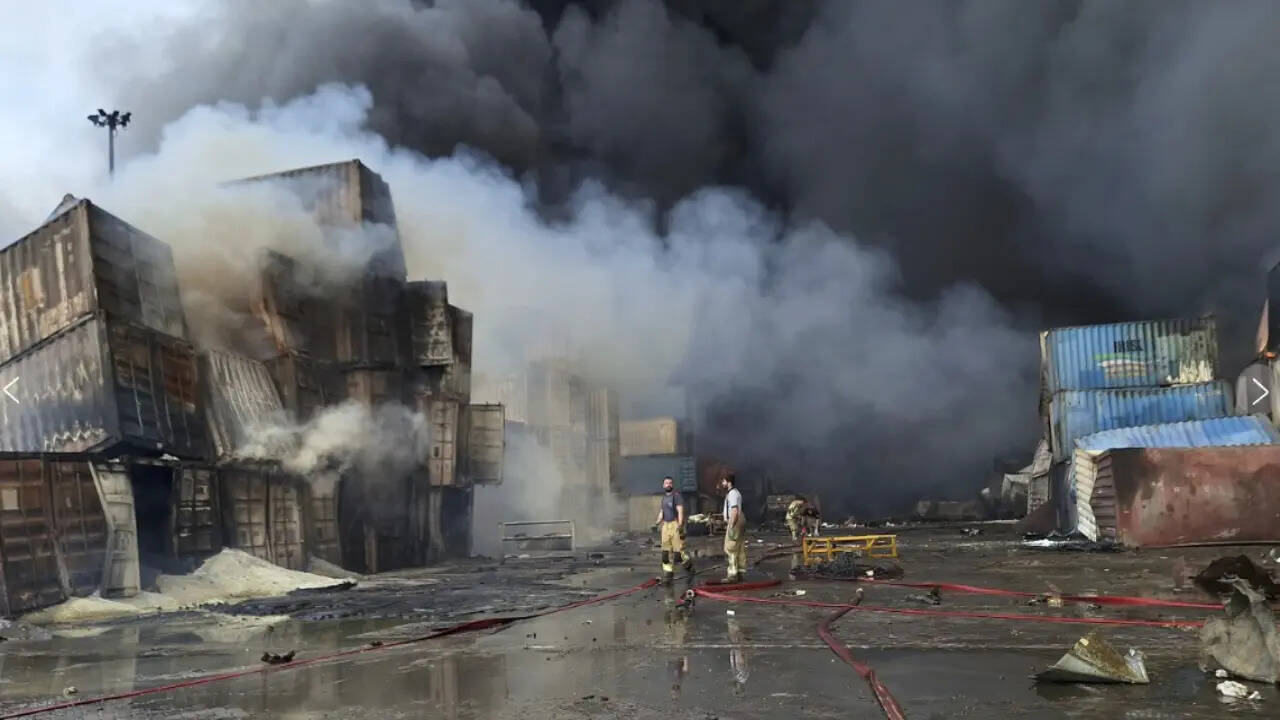
Hezbollah Rocket Strike Threatens Ceasefire Collapse
- What happened: On June 7, Hezbollah launched rocket attacks on northern Israel, threatening to completely unravel the Middle East ceasefire.
- Scale/Impact: Rocket strikes caused damage; civilian casualties possible.
- Context: Independent action by Iran's proxy force Hezbollah is jeopardizing US-Iran negotiations.
Military Operations Update
- Israeli Iran bombing campaign: Israel struck Iran in retaliation for missile attacks, but offensive operations are currently suspended. No new major operations reported as of June 9.
- Strait of Hormuz drone activity: Iran attempted drone strikes targeting the Strait of Hormuz in early June, but US forces intercepted them. Transit through the strait remains restricted.
- Hezbollah rocket operations: Rocket attacks on northern Israel continued June 7-8, serving as a variable in ceasefire talks.
Diplomatic & Political Front
United States / White House
President Trump announced on June 9 in an interview with The Independent that he expects peace negotiations with Iran to conclude "within 2-3 days." He also underscored his leverage in talks, saying of Israeli PM Netanyahu: "When I tell him to do something, he does it."
The Trump administration stated it is willing to unfreeze Iranian assets and ease sanctions if Iran "behaves well."
Iran / Tehran
Iran stated on June 8 that the US has issued contradictory statements, obstructing ceasefire progress and dialogue. Iran has identified sanctions relief as a key condition for negotiating progress and has urged US good faith engagement.
Israel
PM Netanyahu declared a suspension of operations against Iran on June 7-8 but used the term "suspension" rather than explicitly acknowledging a formal ceasefire. Israeli military analysts argue Israel had a duty to respond to Iranian missile strikes and emphasize readiness for immediate counteraction if Iran launches further attacks.
International Community (UN, EU, Major Powers)
The UN Secretary-General issued a statement saying US and Israeli strikes on Iran, along with Iranian retaliation, are severely damaging international peace and security in the Middle East. The UN Security Council held an emergency session expressing concern over further escalation and urging restraint from all parties.
Economic & Market Impact
-
Oil prices: Crude has remained volatile amid signs of de-escalation. After Iran declared an end to military operations on June 8, oil prices fell but remain elevated.
-
Strait of Hormuz: Transit through the strait is currently restricted. Iranian drone attacks have driven up maritime insurance premiums and reduced tanker traffic.
-
Financial markets: Global equities rebounded on ceasefire prospects. However, South Korea's KOSPI fell 8%, reflecting weakness in some Asian markets.
-
Energy supply: The International Energy Agency warned that global oil supply will fall short of demand this year due to the Iran conflict. Severe supply shortages are expected from Middle East production shutdowns and inventory depletion.
Humanitarian Situation
UNICEF reported approximately 180 children have died from fighting within Iran. With only a partial ceasefire currently in effect, updated humanitarian figures have not yet been released. However, Hezbollah's continued rocket attacks raise the likelihood of increased civilian casualties in northern Israel.
Expert Analysis
According to Brookings Institution analysis, with the Strait of Hormuz closed, oil prices will continue climbing, and even after the strait reopens, market normalization could take months.
Brookings Institution Asia economic security analysts warn that the Iran war is seriously threatening Asia's economic security. They note that Asian nations with high energy import dependence will bear the brunt of global supply chain disruption.
According to Institute for the Study of War (ISW) analysis, Hezbollah's continued rocket strikes represent a weak point in US-Iran peace talks. Proxy force independent action could undermine trust-building between both sides.
At a Glance
| Indicator | Status |
|---|---|
| Tension level | Medium (ceasefire talks underway, but Hezbollah attacks create instability) |
| Combat intensity | Declining (Israel-Iran attacks suspended; proxy force activity continues) |
| Brent crude oil | ~$95-105/bbl (high volatility) |
| Strait of Hormuz passage | Restricted (security concerns reduce traffic) |
| Diplomatic channels | Active (Trump actively mediating; deal expected within 2-3 days) |
| Key date ahead | June 11-12 expected for final US-Iran peace accord |
What to Watch Next
-
Trump's ceasefire deadline (June 11-12): Whether Trump's stated "2-3 day" timeline delivers an actual deal or extends negotiations further will be critical.
-
Hezbollah's independent military action: Iran's ability to control its proxy force is crucial, as continued rocket attacks could derail US-Iran talks.
-
Strait of Hormuz reopening: When and under what conditions the strait reopens will be vital, given massive implications for global oil prices and supply chains.
-
Sanctions relief negotiations: The scope of frozen asset unfreezing and sanctions easing Iran seeks will be the linchpin of any final accord. Progress on this point at June 11-12 talks will be key.
Reader Action Items
-
Review Middle East travel plans: Recheck travel advisories from the US State Department and your country's foreign ministry. Israel, Iran, and areas near Lebanon remain caution zones.
-
Review energy and oil portfolio: Given oil price volatility, investors with energy stocks or futures should strengthen portfolio risk management.
-
Bookmark real-time news sources: Regularly monitor live blogs from CNN, Al Jazeera, Reuters, and BBC on the Iran conflict. Negotiation developments can shift rapidly.
-
Track official channels: Follow direct announcements from the White House (whitehouse.gov), US State Department (state.gov), and UN Secretary-General statements (un.org).
Sources & Reliability
This report is based on coverage from June 7-9 by The Independent, CNN, Al Jazeera, Reuters, CBS News, Times Now, Institute for the Study of War (ISW), Washington Post, Brookings Institution, and Jerusalem Post. All figures and direct quotes are linked to sources. Unverified claims—such as specific casualty counts or unconfirmed weapons systems—are flagged or excluded.
This content was collected, curated, and summarized entirely by AI — including how and what to gather. It may contain inaccuracies. Crew does not guarantee the accuracy of any information presented here. Always verify facts on your own before acting on them. Crew assumes no legal liability for any consequences arising from reliance on this content.
Powered by
