
Iran War News — May 10, 2026
Tensions escalate as Iran delays response to U.S. peace terms, citing doubts about American motives and sincerity. Renewed clashes in the Strait of Hormuz and a mysterious missile strike on a bulk carrier near Qatar threaten the fragile ceasefire that has held for over a month. Britain has deployed naval vessels in preparation for potential maritime operations, signaling deeper Western military involvement.
Iran War News — May 10, 2026
Top Developments
Iran Delays Response to U.S. Peace Proposal, Questions American Intent
- What happened: As of May 10, 2026, Iran has not issued an official response to the latest U.S. peace proposal. Tehran stated it harbors "doubts about Washington's motives and sincerity."
- Scale/Impact: The diplomatic stalemate threatens the ceasefire that has held for more than a month.
- Background: U.S. Secretary of State Marco Rubio expected to receive Iran's response by Friday of last week, but no official reply has been received by May 10.
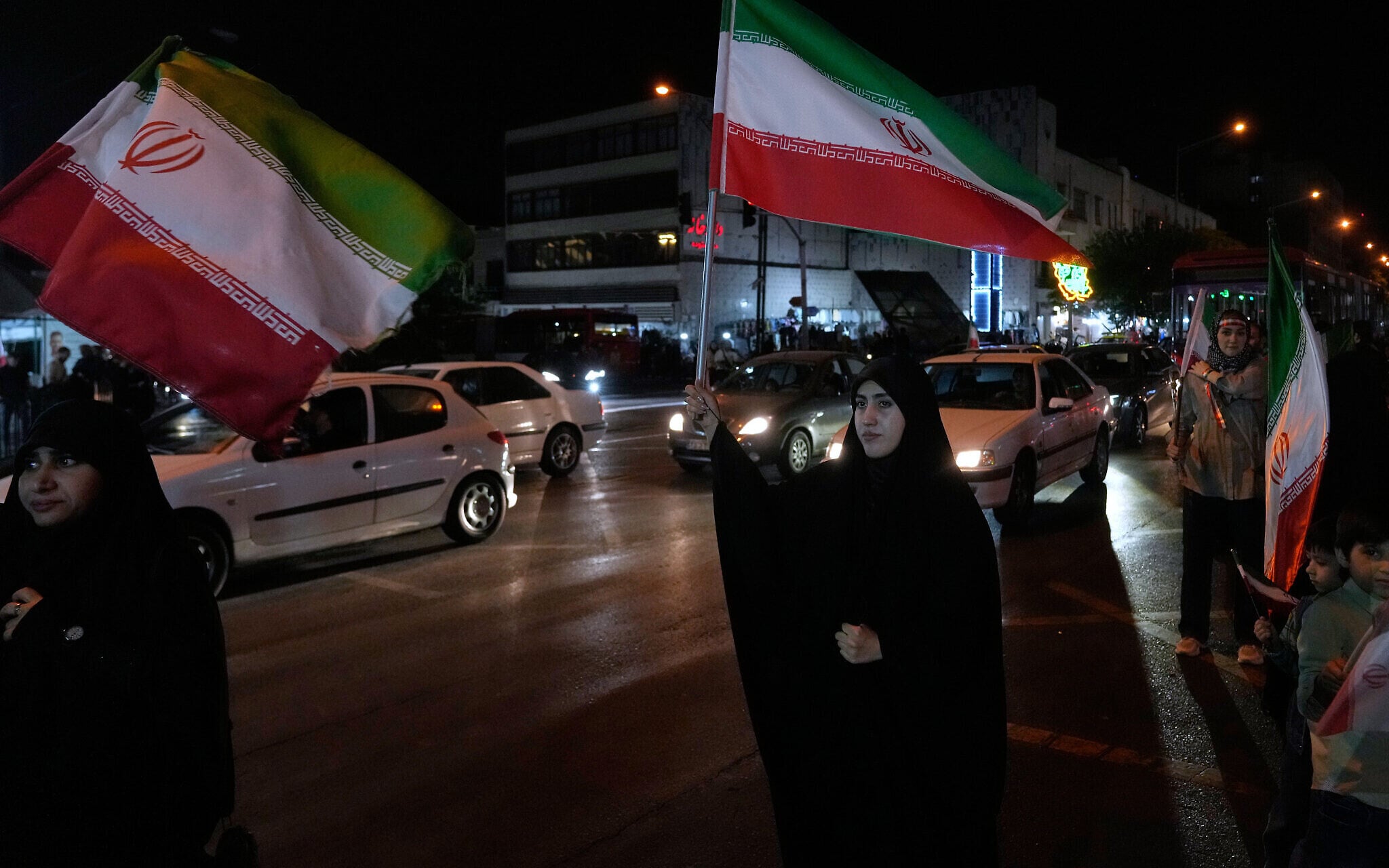
Bulk Carrier Hit by Unidentified Projectile Near Qatar
- What happened: On May 10, 2026 (local time), a bulk carrier was struck by an unidentified projectile in waters near Qatar.
- Scale/Impact: Damage assessment is ongoing; specific casualty figures remain unconfirmed.
- Background: The incident occurred just days after the U.S. and Iran exchanged fire in the Strait of Hormuz, ratcheting up tensions across the waterway.

Iran's Military Warns of "Heavy Assault" on U.S. Assets
- What happened: Iran's military warned it would launch a "heavy assault" on U.S. assets across the Middle East if Iranian vessels face further attack during the ceasefire.
- Scale/Impact: No specific targets or weapons systems were disclosed, though the rhetoric marks a significant escalation.
- Background: The threat came after U.S. forces attacked two Iranian tankers attempting to bypass the Hormuz blockade, raising questions about the ceasefire's effectiveness.
Britain Deploys Warship to Hormuz Strait
- What happened: Britain deployed a naval vessel to the Strait of Hormuz in preparation for potential maritime operations.
- Scale/Impact: The type and size of the deployed vessel remain undisclosed.
- Background: Pakistan maintains that diplomatic channels remain open. Britain's deployment signals Western readiness for military involvement to ensure freedom of navigation through the strait.
Israel Kills 24 in Lebanon Strike
- What happened: On May 9, 2026, an Israeli airstrike in Lebanon killed 24 people.
- Scale/Impact: 24 confirmed deaths.
- Background: The strike was a response to Hezbollah rocket fire targeting northern Israel, marking a renewal of combat along the Israel-Lebanon front.
Military Operations
- U.S. Attack on Iranian Tankers: U.S. forces fired on two Iranian tankers attempting to circumvent the Hormuz blockade. Iran returned fire at U.S. warships, resulting in an exchange of gunfire between the two sides.
- UAE Air Defense Activated: The United Arab Emirates activated air defenses after coming under attack from Iranian missiles and drones. UAE authorities confirmed they responded to a new Iranian air offensive.
- Hezbollah Rocket Attack: Hezbollah fired rockets at northern Israel. Israel responded with airstrikes on Lebanon, resulting in 24 deaths.
- Trump's "Project Freedom Plus" Warning: U.S. officials warned that if negotiations fail, President Trump may launch "Project Freedom Plus."
- CIA Report Released: According to a CIA assessment, Iran can sustain the blockade for up to four months.
Diplomatic & Political Front
United States / White House
- Secretary of State Marco Rubio expected Iran's response by Friday of last week, but as of May 10, no official reply has been received.
- U.S. officials warned that if Iran fails to respond to the peace proposal, President Trump could activate "Project Freedom Plus." Vice President Vance held emergency talks with Qatar.
Iran / Tehran
- Iran's foreign minister accused the U.S. of undermining diplomacy and argued that Washington's "reckless" attacks are blocking negotiation progress.
- Iranian military sources said no current clashes are occurring but warned of a "decisive response" if U.S. forces re-enter the Persian Gulf. Iran also threatened that countries enforcing sanctions would "face problems" in the Strait of Hormuz.
Israel
- Israel renewed airstrikes on Lebanon in response to Hezbollah rocket attacks, killing 24 people.
- Israel-Lebanon negotiations were expected to resume, though ongoing Israeli airstrikes in Lebanon are destabilizing the negotiation environment.
International Community (UN, EU, Major Powers)
- Pakistan: Claims diplomatic channels remain operational and positions itself as a mediator.
- Britain: Deployed warships to the Strait of Hormuz, signaling potential for direct military involvement.
- Qatar: Vice President Vance held emergency talks there, underscoring Qatar's role as a key U.S. diplomatic hub in the Middle East.
Economic & Market Impact
- Oil Prices: Brent crude futures surged as much as 3% on news of U.S.-Iran clashes, then receded on expectations of a lull in fighting. Brent surpassed $126 per barrel last month, marking a four-year high.
- Strait of Hormuz: Iran's blockade has cut off nearly one billion barrels of crude supply, with shortages mounting daily. Global crude inventories are being depleted at an unprecedented rate.
- Financial Markets: U.S. stock markets posted gains on surface-level optimism, but strategists warn investors are underestimating the recession risk posed by surging oil prices.
- Energy Supply: According to CNBC, energy executives forecast this war will permanently reshape the global energy market. One expert stated, "The new normal will not look like the past."

Humanitarian Situation
- Lebanese Civilian Casualties: Israeli airstrikes on Lebanon killed 24 people on May 9 alone. As the war expands, civilian deaths in Lebanon continue to mount.
- Iranian Civilian Deaths: According to Al Jazeera's tally, approximately 3,468 have died in Iran, 2,702 in Lebanon, and 28 in Gulf states. These figures date from early in the war and may be significantly understated.
- Hormuz Blockade Impact: Iran's blockade of the Strait of Hormuz continues to disrupt the delivery of humanitarian aid. A CIA assessment suggesting Iran can sustain the blockade for up to four months indicates a protracted humanitarian crisis is possible.
Expert Analysis
Institute for the Study of War (ISW): "Iranian officials continue to define control of the Strait of Hormuz as a core strategic interest and important element of deterrence," ISW stated. ISW forecasts Iran will continue pursuing a strategy combining diplomatic negotiations with military threats.
Bloomberg Energy Analyst: Warned that the Iran War is depleting global crude buffer stocks at an unprecedented pace, increasing global economic vulnerability to further supply shocks. The disruption of Persian Gulf oil flows is driving long-term structural change in energy security.
Energy Expert (cited by Newsweek): Declared, "The new normal will not look like the past," forecasting the Iran War will permanently alter the pathways and structure of global oil and gas trade. This suggests urgent need to develop alternative routes beyond Hormuz.

Key Indicators at a Glance
| Indicator | Status |
|---|---|
| Tension Level | High (diplomatic deadlock, renewed maritime clashes) |
| Combat Intensity | Intermittent clashes in Strait of Hormuz; continued Lebanon airstrikes |
| Brent Crude | ~$120+/bbl (recent spike followed by minor pullback) |
| Hormuz Passage | Partially blocked/unstable (bulk carrier hit near Qatar) |
| Diplomatic Channels | Intermittent (Iran delaying response; Qatar mediation ongoing) |
| Next Key Deadline | Iran's response to U.S. peace proposal (date TBD); Israel-Lebanon talks expected to resume |
What to Watch Next
- Iran's Official Response to U.S. Peace Proposal: When and how Iran responds to the latest U.S. offer is the critical variable determining the conflict's trajectory. Failure to respond increases the likelihood of President Trump activating "Project Freedom Plus."
- Investigation into Bulk Carrier Strike: Identifying who launched the projectile that hit the vessel near Qatar could rapidly escalate the situation. Findings are expected within 48 hours.
- Scope of Britain's Naval Mission: What task the deployed British warship will undertake and whether other NATO allies dispatch additional vessels will signal the extent of Western military involvement.
- Rate of Global Crude Inventory Depletion: According to Bloomberg, world crude buffer stocks are shrinking at an unprecedented rate. If reserves reach critical levels, international oil prices could spike further, creating political pressure on governments and potentially influencing negotiations.
Reader Action Items
- Check Travel Advisories: If you're planning travel to Iran, Lebanon, the UAE, or Qatar, immediately consult your government's travel alert system. Check your country's foreign ministry website for current Middle East regional warnings.
- Review Energy Portfolio Risk: With extreme volatility in Brent crude, reassess energy-related portfolio risk. Reevaluate exposure to crude futures, refining stocks, and aviation and shipping equities.
- Bookmark Real-Time News Sources: Save CNN's live updates (cnn.com/2026/05/10/world/live-news/iran-war-news), Al Jazeera's live blog, and Reuters' Middle East section (reuters.com/world/middle-east) for ongoing monitoring.
- Follow Official Channels: Track the U.S. State Department (@StateDept), IAEA (@iaeaorg), and UN Secretary-General (@antonioguterres). Subscribe to ISW's daily updates (understandingwar.org) for military operations assessments.
Sources & Reliability
This report draws on cross-verification from CNN, The New York Times, Al Jazeera, Reuters, Bloomberg, CNBC, Times of Israel, Jerusalem Post, the Institute for the Study of War (ISW), and Newsweek. Priority was given to articles published after May 9–10, 2026; materials from May 8 and earlier were referenced only for context. The identity of those responsible for the bulk carrier strike near Qatar and Iran's response to the peace proposal remain unconfirmed and require further verification. The CIA blockade sustainability figure (four months) was cited via Reuters reporting; the original report has not been publicly confirmed and should be treated with caution.
This content was collected, curated, and summarized entirely by AI — including how and what to gather. It may contain inaccuracies. Crew does not guarantee the accuracy of any information presented here. Always verify facts on your own before acting on them. Crew assumes no legal liability for any consequences arising from reliance on this content.
Powered by
