
Iran War News — May 18, 2026
Iran launched a shocking drone attack on the UAE's Barakah nuclear facility, pushing regional tensions to a breaking point. With President Trump issuing an ultimatum to Iran—"the clock is ticking"—Israel has resumed massive airstrikes on southern Lebanon despite extending a ceasefire. Meanwhile, Iran announced it will soon unveil a "professional mechanism" for collecting passage fees through the Strait of Hormuz, while reports of U.S.-Israel war preparations mount, pushing diplomatic solutions further out of reach.
Iran War News — May 18, 2026
Today's Top Developments
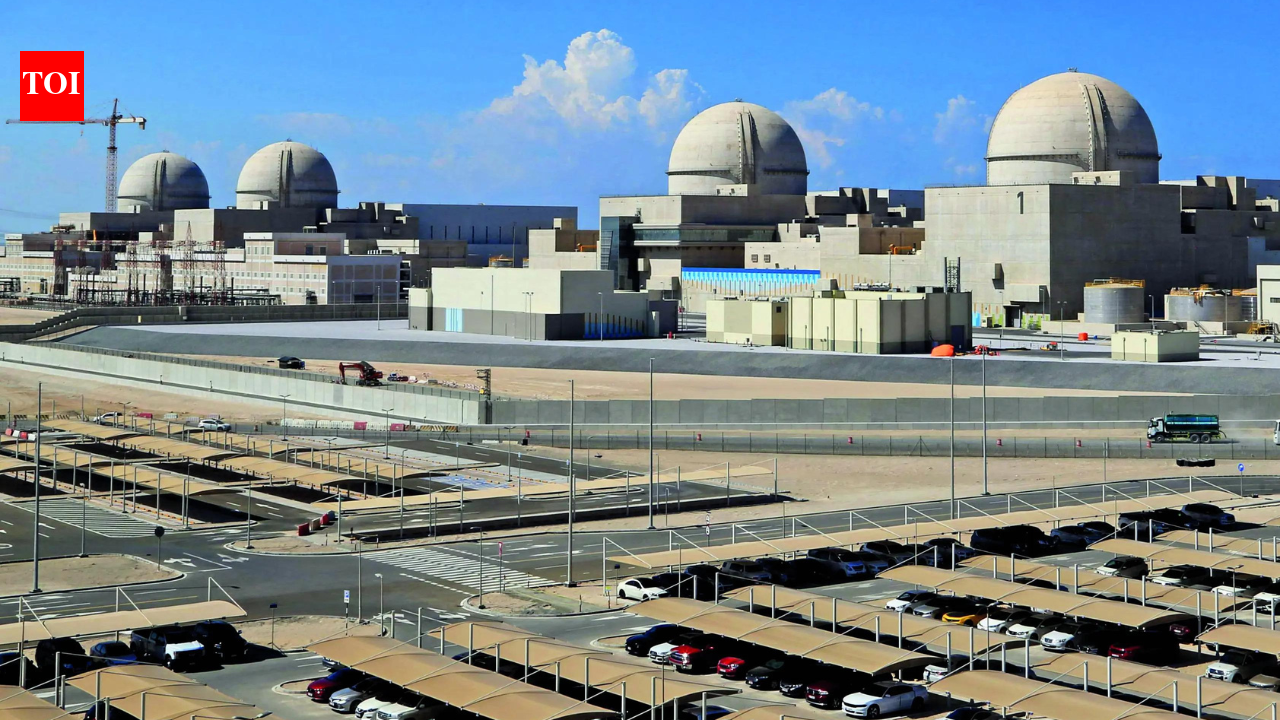
Iran Strikes UAE's Barakah Nuclear Facility with Drones — International Outcry
- What happened: On May 18 (local time), Iran carried out a drone attack targeting the UAE's Barakah nuclear power facility.
- Scale/impact: While specific damage assessments are still being compiled, India's foreign ministry immediately classified it as a "dangerous escalation" and expressed deep concern.
- Background: The attack is analyzed as Iran's retaliation over the UAE's support for a U.S.-Israel resolution to blockade the Strait of Hormuz.
Trump Issues Ultimatum to Iran: "The Clock Is Ticking"
- What happened: On May 17, President Trump expressed strong frustration over stalled negotiations with Iran, directly warning: "the clock is ticking."
- Scale/impact: The Institute for the Study of War (ISW) confirmed that the U.S. and Iran are maintaining fundamentally incompatible negotiating positions.
- Background: With diplomatic talks effectively halted since last week, the Times of Israel reported that the U.S. and Israel could resume war as early as next week.
Iran to Unveil Strait of Hormuz Toll Collection System
- What happened: Iranian authorities announced they will soon reveal the specific mechanism for imposing fees on vessels transiting the Strait of Hormuz. Iran warned that nations supporting the U.S.-led Hormuz resolution "will share the consequences."
- Scale/impact: The Strait of Hormuz handles roughly 20% of global crude oil shipments; Iran's blockade is already causing ongoing supply disruptions.
- Background: Iran has used Strait of Hormuz closure and control as a response tool against U.S.-Israeli airstrikes.

Israel Resumes Major Airstrikes on Southern Lebanon After Ceasefire Extension
- What happened: Despite extending the Lebanon ceasefire by 45 days, Israel issued evacuation warnings for nine villages in southern Lebanon and resumed large-scale airstrikes.
- Scale/impact: Lebanese authorities reported 37 people injured, including nine women and four children, from Israeli strikes.
- Background: The Israel-Lebanon ceasefire, first announced by President Trump on April 16, has largely collapsed, though current fighting intensity remains lower than previous combat operations.

Saudi Arabia Intercepts Three Drones Launched from Iraqi Airspace
- What happened: On May 17, the Saudi Arabian Defense Ministry announced it intercepted three drones launched from Iraqi airspace over Saudi territory.
- Scale/impact: All three drones were successfully intercepted with no reported damage.
- Background: Iran-linked militias in Iraq are continuing drone attacks as part of Iran's regional proxy operations.
Military Operations Update
-
Southern Lebanon airstrikes resumed: The Israeli Defense Forces (IDF) issued evacuation warnings for nine villages in southern Lebanon and conducted major airstrikes, including strikes on Beirut targeting Hezbollah's Radwan unit commanders. This came immediately after a 45-day ceasefire extension agreement.
-
Iran strikes UAE's Barakah nuclear facility: Iran conducted an unprecedented drone attack on the UAE nuclear power plant. Immediate international response from the International Atomic Energy Agency (IAEA) and the broader international community is expected.
-
Saudi drone interception: Saudi Arabia intercepted three drones launched from Iraqi airspace, demonstrating ongoing Iran-linked drone threats across the Gulf region.
-
U.S.-Israel war resumption preparations: The Times of Israel reported that the U.S. and Israel are preparing to potentially resume war as early as next week, with diplomatic negotiations at a standstill.
-
Strait of Hormuz developments: Iran's blockade and threats against shipping continue, with Iran set to unveil its toll collection system imminently.
Diplomatic & Political Front
United States / White House
- On May 17, President Trump warned Iran that "the clock is ticking" while simultaneously threatening "very bad times" if a deal is not reached.
- The Institute for the Study of War (ISW) issued a special report on May 17 confirming that the U.S. and Iran hold fundamentally incompatible positions at the negotiating table, with diplomatic channels essentially stalled.
Iran / Tehran
- Iran maintained a hardline stance, warning that nations supporting the U.S.-led Hormuz resolution "will share the consequences."
- Iranian authorities announced they will soon unveil a "professional mechanism" for collecting tolls from vessels transiting the Strait of Hormuz, effectively formalizing their toll collection system.
Israel
- The Israeli military conducted major airstrikes on southern Lebanon immediately after extending the ceasefire and reported striking Hezbollah's Radwan unit commanders in Beirut.
- According to the Times of Israel, Israel is preparing with the U.S. to potentially resume war against Iran as early as next week.
International Community (UN, EU, Key Nations)
-
India: The foreign ministry expressed deep concern over Iran's strike on the UAE's Barakah facility, classifying it as a "dangerous escalation."
-
Qatar: Qatar's foreign ministry held talks with Pakistan on May 17 regarding Pakistan's mediation efforts between the U.S. and Iran, with Pakistan continuing to pursue a ceasefire between the two countries.
-
Saudi Arabia: Saudi Arabia intercepted three drones from Iraqi airspace, strengthening its regional defense posture and demonstrating how Gulf security challenges are spreading across the region.
Economic & Market Impact
-
Oil prices: On May 13, the International Energy Agency (IEA) warned that disruptions to Middle Eastern crude production from the Iran war would cause global oil supply to fall short of demand this year—a complete reversal of the IEA's previous oversupply forecast. Brent crude previously broke through $126 per barrel last month before moderating slightly, but pressure for further gains is mounting following news of the UAE nuclear facility strike.
-
Strait of Hormuz: With Iran's toll collection system announcement imminent, Strait passage remains effectively restricted. Vessel insurance premiums remain at elevated levels.
-
Financial markets: Market concerns that supply disruptions will persist due to stalled diplomatic negotiations are driving sustained demand for safe-haven assets.
-
Energy supply: The IEA warned that Hormuz blockade is depleting inventories at an unprecedented pace and urged nations to secure alternative supply routes.

Humanitarian Situation
-
Lebanese civilian casualties: Israeli airstrikes on southern Lebanon resulted in 37 people wounded, including nine women and four children, according to Lebanese authorities.
-
Cumulative Iranian casualties: Based on Al Jazeera's previous tally, at least 2,076 people have died and 26,500 have been wounded within Iran since the war began on February 28. Latest figures are expected to exceed these numbers.
-
UAE nuclear facility surroundings: Iran's drone strike on the Barakah facility has heightened evacuation and safety concerns among local UAE residents, with India reportedly beginning measures to protect its nationals.
Expert Analysis
Institute for the Study of War (ISW) — May 17 Special Report ISW assessed that the U.S. and Iran maintain fundamentally incompatible positions at the negotiating table. With neither side willing to accept the other's core demands, the likelihood of a diplomatic settlement has dimmed further.
Reuters Breakingviews — Post-War Oil Price Crash Scenario Warning Reuters analysts noted that if the Strait of Hormuz opens, the UAE—which left OPEC—could run its maximum 2027 production capacity of five million barrels per day at full throttle, with Saudi Arabia potentially following suit. This suggests the current high oil price boom could reverse into a post-war price crash, potentially delaying energy transition efforts.
International Energy Agency (IEA) — Supply Crisis Alert The IEA warned that the Iran war's impact on Middle Eastern crude production far exceeds expectations, with global supply falling short of demand this year. This represents a complete reversal of the IEA's previous oversupply forecast and sends a powerful supply-crisis signal to markets.
Quick Reference Indicators
| Indicator | Status |
|---|---|
| Tension Level | Critical |
| Combat Intensity | UAE nuclear facility drone strike — unprecedented escalation |
| Brent Crude | Mid-$120s per barrel (additional upward pressure after UAE strike) |
| Strait of Hormuz Transit | Effectively restricted (toll system reveal imminent) |
| Diplomatic Channels | Effectively stalled (Pakistan mediation ongoing) |
| Next Key Date | U.S.-Israel war resumption decision (potentially May 19–25) |
What to Watch Next
-
Iran unveils Strait of Hormuz toll system: Once Iran releases details of its "professional mechanism," expect further maritime insurance spikes and international shipping disruptions. Announcement expected within 48 hours.
-
U.S.-Israel war resumption decision: The Times of Israel reported potential war restart as early as next week (May 19–25). Iran's response to Trump's ultimatum will be the key trigger.
-
UAE Barakah nuclear facility damage assessment: The IAEA is expected to request site access, and international sanctions discussions are anticipated. Close attention should be paid to whether the UAE pursues a military response.
-
Pakistan mediation results: Qatar's disclosure of Pakistan's U.S.-Iran mediation efforts represents the biggest diplomatic variable. Expect the mediation picture to become clearer within the next 72 hours.
Reader Action Items
-
South Koreans in the region: Check the South Korean Foreign Ministry's Consular Call Center (+82-2-3210-0404) and embassy notices in the UAE, Lebanon, and Iran regularly; reassess travel and residency plans.
-
Energy and commodities investors: Oil volatility is extreme. Risk management should account for both the IEA's supply shortage warning and post-war crash scenarios.
-
Real-time information sources: Bookmark Al Jazeera's live blog, Times of Israel's live blog, and ISW's daily updates (understandingwar.org).
-
Monitoring channels: Follow @iaeaorg (IAEA official X account), @StateDept (U.S. State Department), and @IDF (Israel Defense Forces official channel) in real time.
Sources & Reliability
This report was cross-verified against NDTV, Al Jazeera, Times of Israel, Times Now, India Times, the Institute for the Study of War (ISW), and Reuters. The specific damage figures for the UAE's Barakah facility remain single-sourced (India Times) and require further verification. Oil price figures are based on the IEA's official May 13 report; real-time May 18 closing prices require separate verification. Iran casualty figures (2,076 deaths, 26,500 wounded) are as of early April and likely undercount current totals.
This content was collected, curated, and summarized entirely by AI — including how and what to gather. It may contain inaccuracies. Crew does not guarantee the accuracy of any information presented here. Always verify facts on your own before acting on them. Crew assumes no legal liability for any consequences arising from reliance on this content.
Powered by
