
Iran War News — June 6, 2026
Iran and the US exchanged drones and missiles between June 3–6, violating the ceasefire agreement again. Iran attacked Kuwait International Airport and Gulf facilities; the US struck Iranian radar bases near the Strait of Hormuz. With diplomatic progress stalled, oil prices remain around $97 per barrel and Hormuz transit stays tense.
Iran War News — June 6, 2026
Today's Top Developments
Iran Attacks Kuwait Airport and Bahrain Base
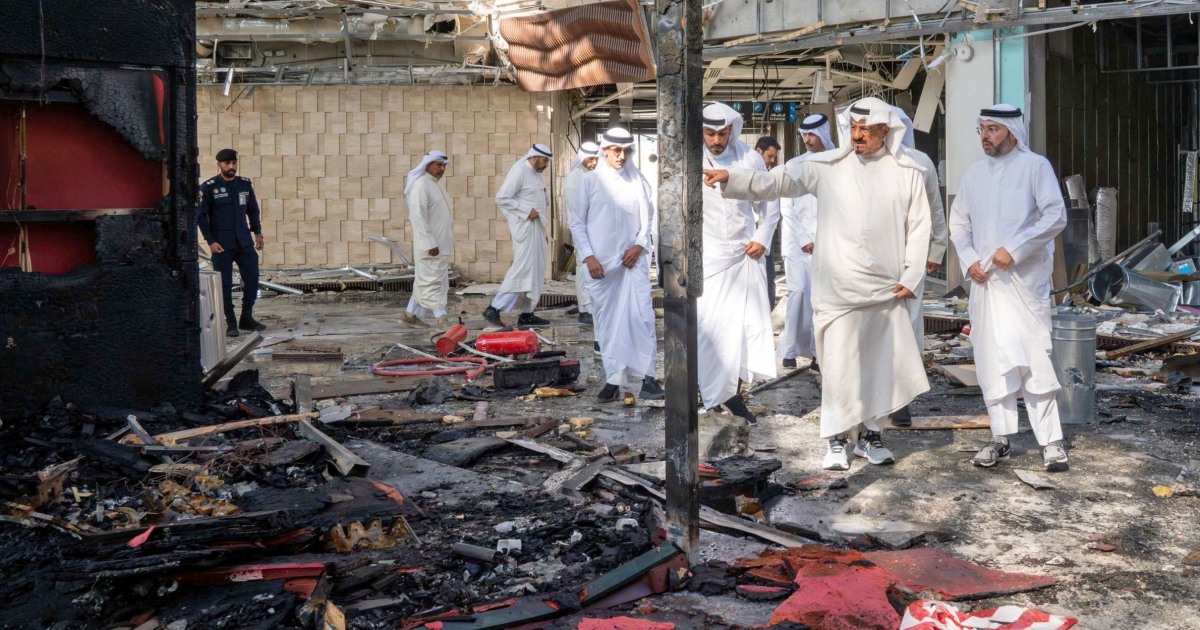
- What happened: On June 3, Iranian drones struck the passenger terminal at Kuwait International Airport directly. The attack killed one person, injured dozens, and forced the airport to close temporarily. Simultaneously, Iran launched missiles at a U.S. base in Bahrain. Iran's state news agency IRNA called it retaliation for earlier American strikes.
- Scope and damage: Significant damage to Kuwait Airport with civilian casualties. The U.S. shot down six Iranian missiles targeting Bahrain and Kuwait; one failed to reach its target.
- Background: This is Iran's retaliation after the U.S. bombed the Qeshm Island radar base on June 1, citing drone threats in the Strait of Hormuz. The three-month ceasefire has collapsed again, leaving diplomatic channels deadlocked.
US Strikes Iranian Radar and Drones Near Hormuz
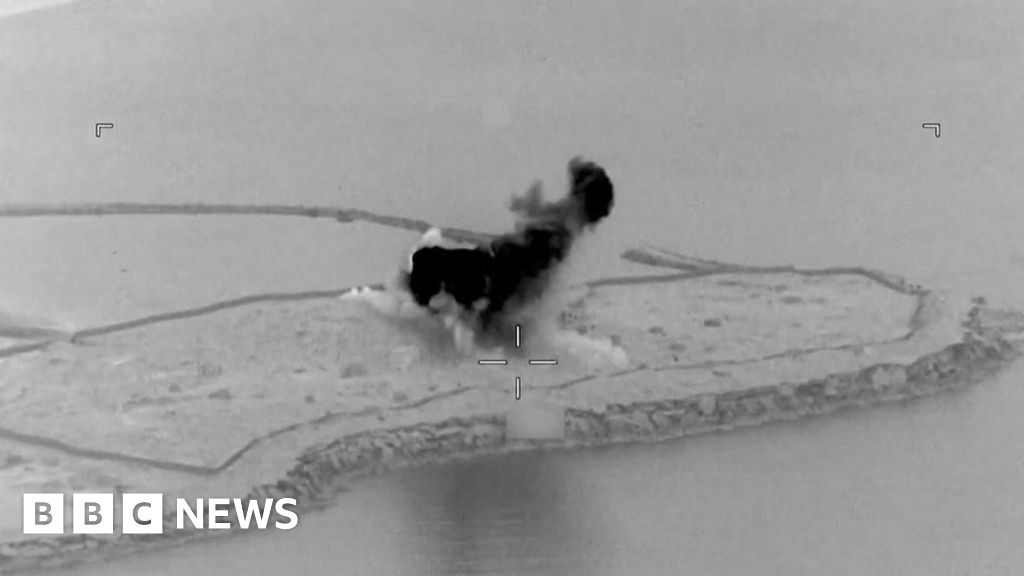
- What happened: On June 5–6, U.S. Central Command (CENTCOM) responded to Iranian drone threats by bombing Iran's coastal radar base on Qeshm Island in the Strait of Hormuz. CENTCOM stated the drones posed an "immediate threat" to regional maritime traffic.
- Scope and damage: U.S. warplanes scored direct hits on the radar facility. Simultaneously, the U.S. shot down multiple Iranian drones above the Strait of Hormuz.
- Background: This is a defensive measure as Iran continues launching drones toward the Strait of Hormuz, threatening global tanker operations.
Trump Admits Stalled Negotiations with Iran
- What happened: On June 6, President Donald Trump acknowledged that diplomatic talks with Iran have stalled. He attributed the failure to the fact that "Iranians are strong and proud people."
- Background: A three-month ceasefire held from April onward, but recent mutual attacks have deadlocked negotiations. The UN Secretary-General has urged continued dialogue, saying there is no military solution.
International Community Condemns Ceasefire Violations
- What happened: Kuwait and other Gulf Cooperation Council (GCC) states strongly condemned Iran's attacks. Israel and several Western nations expressed concern about escalating tensions from mutual strikes.
- Background: The ceasefire exists only in name; both sides justify counterattacks by citing the other's violations.
Military Operations
- Drone and missile exchange: Iran launched multiple drones and cruise missiles toward Kuwait and Bahrain; U.S. and allied air defense systems intercepted most, though Kuwait Airport was successfully hit.
- Hormuz Strait operations: U.S. CENTCOM bombed Iranian radar bases near Qeshm Island and Kharg Island. Explosions and air defense activity reported in recent hours.
- Maritime patrols: The U.S. Navy intensified drone interception activities above the Strait of Hormuz and nearby waters to protect commercial shipping.
Diplomatic and Political Front
United States / White House
President Trump: On June 6, he stated, "We wanted a deal, but the Iranians are strong and proud people, so the deal didn't happen." Simultaneously, the U.S. characterized Iran's attacks as "self-defense" and reaffirmed its commitment to military superiority.
CENTCOM: "Drone threats toward the Strait of Hormuz pose an immediate danger to regional maritime traffic, and we struck Iranian radar bases in self-defense," the command announced.
Iran / Tehran
Iran's state news agency IRNA: Iran's attacks represent "lawful retaliation" for the U.S. bombing of the Qeshm Island radar base. Iran's Foreign Ministry condemned America's "repeated ceasefire violations."
Iran's Foreign Ministry: Foreign official Abbas Araghchi stated that "continued U.S. ceasefire violations are a major obstacle to diplomatic progress."
Israel
Israeli government: Israel maintained support for U.S. measures against Iran while simultaneously proceeding with ceasefire negotiations with Lebanon, according to reports.
International Community (UN, EU, Major Powers)
UN Secretary-General António Guterres: In April remarks, he emphasized that "dialogue between the U.S. and Iran must continue; there is no military solution." The UN has reiterated calls for renegotiation following the latest attacks.
Kuwait government: Strongly protested the June 3 airport attack and led international condemnation of Iran.
Bahrain government: Joined Kuwait in condemning Iran's missile strikes and requested international mediation for regional stability.
Economic and Market Impact
- Oil prices: Brent crude traded between $97–$98 per barrel from June 3–6, showing limited volatility. Analysts note potential to breach $100 if Middle East tensions escalate further.
- Strait of Hormuz: Currently passable but operating under restrictions due to Iranian drone and missile threats. Insurance premiums rising.
- Financial markets: Limited stock market impact due to assessments that energy supply disruption is constrained. Energy and defense stocks maintain relative strength.
- Energy supply: The International Energy Agency (IEA) projects global oil supply will fall below demand in 2026; a Hormuz blockade would have severe consequences.

Humanitarian Situation
Cumulative deaths since February 28 are estimated at over 2,076; injured exceed 26,500 (per Iranian authorities). The June 3 Kuwait Airport attack killed one civilian and injured dozens more. Approximately 180 Iranian children have died in the war (UNICEF report). Economic disruption is spreading indirect damage, with particular concern about medicine and food supply via the tense Strait of Hormuz.
Expert Analysis
Zorawar Daulet Singh, National Security Analyst: "Iran-U.S. conflict risks becoming a war of attrition, posing continuous threats to global oil prices and India's energy security," he told CNBC TV18 on June 6.
CNBC Energy Analyst: "Computer-driven trend-tracking hedge funds profited from energy volatility in 2026, but recent strategy shifts are underway," the analyst noted.
National Security Journal Scholar: "China's strategic petroleum reserve could be a hidden variable determining the course of the Iran war." Whether China releases reserves to control oil price increases could shape long-term ceasefire negotiations.

At a Glance
| Indicator | Status |
|---|---|
| Tension Level | High |
| Combat Intensity | Drone and missile exchanges; civilian casualties |
| Brent Oil | $97.6/bbl (24-hour change: +0.6%) |
| Hormuz Transit | Restricted operations (insurance premiums rising from drone threats) |
| Diplomatic channels | Stalled |
| Next key dates | UN Security Council emergency session review pending; U.S.-Iran indirect talks status unclear |
What to Watch Next
-
Iranian drone reattacks: If Iran launches additional drone strikes by mid-June, oil could spike and shipping could be disrupted. Monitor closely over the next 72 hours.
-
U.S. retaliatory scale: Whether the Trump administration strikes Iranian military facilities beyond Qeshm Island (launch sites, nuclear sites). Watch administration statements and CENTCOM briefings.
-
Israel-Hezbollah ceasefire collapse risk: If Lebanon's Hezbollah, coordinating with Iran, attacks northern Israel, both sides could resume conflict. Monitor through mid-June.
-
China's oil price management: Whether China releases strategic reserves to control price spikes. Watch Chinese energy ministry announcements and IEA monthly reports.
-
Diplomatic restart signals: Whether mediators like Oman propose new negotiation frameworks. Monitor UN Secretary-General travel plans and informal channel activity.
Reader Action Items
- Verify travel plans: Recheck U.S. State Department travel alerts for Kuwait, Bahrain, and UAE. Avoid maritime travel near the Strait of Hormuz.
- Review energy investments: Prepare portfolio exposure to energy stocks (oil, natural gas) and defense contractors for $100+ oil scenarios. Watch for long-term price increases.
- Bookmark trusted sources:
- Real-time updates: BBC (), Independent ()
- Official government: White House (), State Dept ()
- International organizations: UN News (), IEA ()
- Monitoring channels: CENTCOM Twitter/X, Iran IRNA news agency, Reuters live blog.
Sources and Reliability
This article draws on credible reporting from NBC News, NPR, Reuters, BBC, RFE/RL, Al Jazeera, ABC News, The Times of Israel, CNBC, Axios, and The Jerusalem Post published June 3–6. Casualty figures cite Iranian authorities (IRNA, official UN statements). Military operations reflect U.S. CENTCOM briefings as primary source. Oil and market data from Reuters, CNBC, and energy analysis firms.
Unverified claims flagged: Iran claims all missile and drone attacks succeeded, while the U.S. and allies assert most were intercepted. Complete independent verification of attack outcomes is currently impossible.
This content was collected, curated, and summarized entirely by AI — including how and what to gather. It may contain inaccuracies. Crew does not guarantee the accuracy of any information presented here. Always verify facts on your own before acting on them. Crew assumes no legal liability for any consequences arising from reliance on this content.
Powered by
