
Iran War News — May 8, 2026
The U.S. responded to Iranian naval attacks with retaliatory strikes, pushing the declared ceasefire to the brink of collapse. Iran escalated by resuming drone and missile strikes against the UAE and declaring regulatory control over the Strait of Hormuz. President Trump expressed optimism about negotiations while warning that without Iranian agreement, he would unleash "significantly more powerful bombing."
Iran War News — May 8, 2026
Today's Top Developments
U.S. Conducts 'Self-Defense Strike' in Hormuz
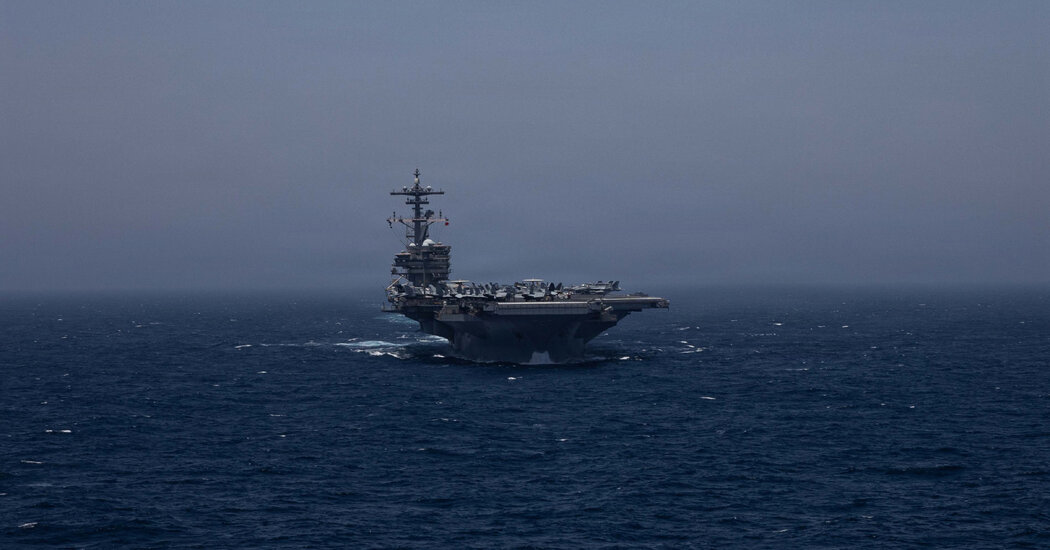
- What happened: On May 7 (local time), Iran attacked three U.S. Navy ships in the Strait of Hormuz. The U.S. military intercepted the attacks and then struck Iranian military targets in retaliation.
- Scale/Casualties: U.S. Central Command reported that all three Navy ships came under attack but successfully repelled the strikes. Official Iranian casualty figures remain unconfirmed.
- Background: The two sides have been clashing for days over control of the Strait of Hormuz. Iran claimed the U.S. military attempted to seize an Iranian tanker.

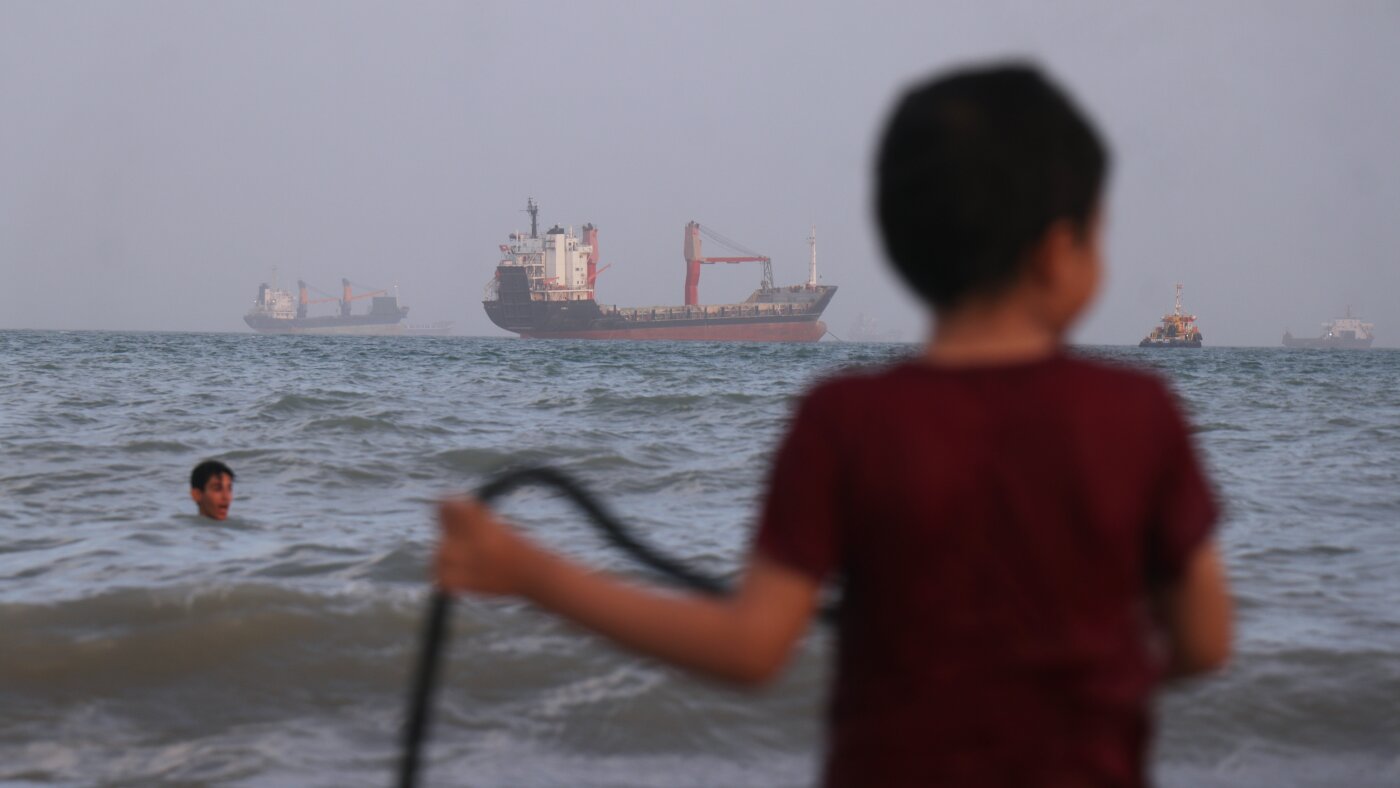
Iran Launches Second Wave of Missile and Drone Attacks on UAE
- What happened: From May 7–8, Iran carried out fresh missile and drone strikes against the UAE. The UK's Independent described it as "the brink of ceasefire collapse."
- Scale/Casualties: Specific casualty and damage figures are still being assessed, though attacks reportedly targeted objectives within the UAE.
- Background: Iran justified the retaliatory strikes by claiming the U.S. military's attempt to seize an Iranian tanker violated the ceasefire agreement.

Trump Warns of 'Stronger Bombing' While Expressing Negotiation Optimism
- What happened: President Trump stated on May 7 that he had "very good conversations" with Tehran over the past 24 hours, but threatened to bomb Iran with "significantly higher levels and intensity" if no deal is reached.
- Scale/Casualties: No direct military action occurred, but pressure to meet negotiation deadlines is intensifying.
- Background: The U.S. side indicated Iran is reviewing America's ceasefire proposal, a claim Iranian officials have formally confirmed.
U.S. Fires on Iranian Tanker; Iran Rejects 'Seizure Attempt' Claims
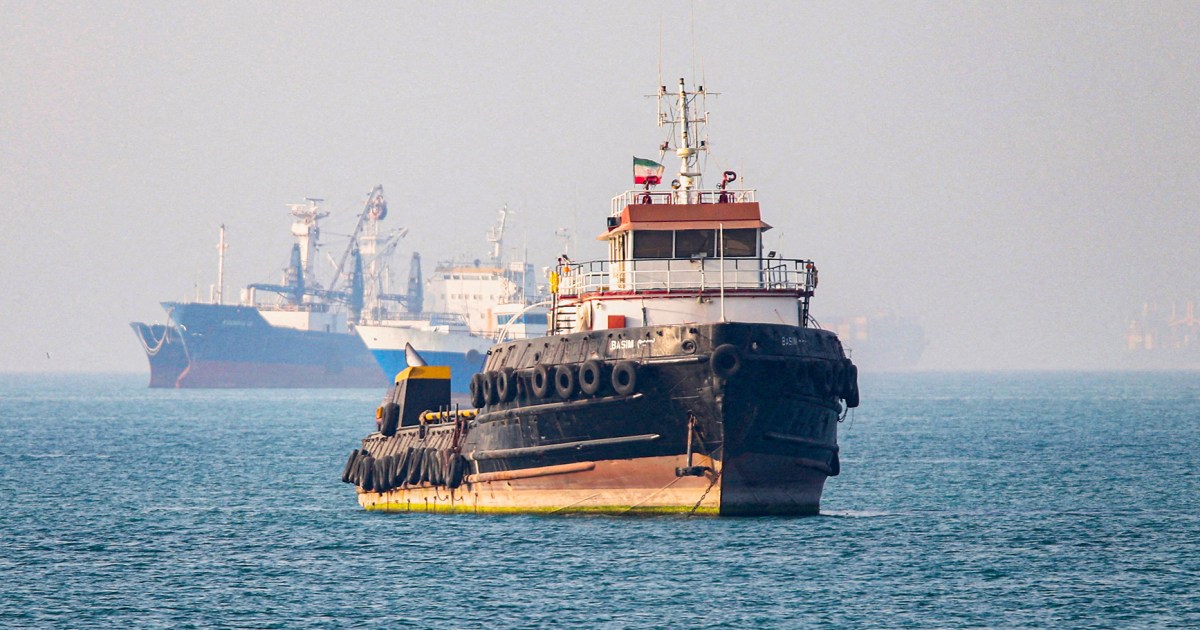
- What happened: U.S. military forces fired on an Iranian-flagged tanker, and Trump issued an ultimatum: Iran must accept a deal or face "a new wave of bombing."
- Scale/Casualties: Tanker damage is still being assessed. Iran's Islamic Revolutionary Guard Corps (IRGC) naval forces claimed U.S. warships attempted to seize the Iranian tanker.
- Background: Iran declared that it holds regulatory authority over maritime traffic through the Strait of Hormuz.
Military Operations Status
-
Strait of Hormuz Naval Engagement: Three U.S. Navy ships came under Iranian attack; the U.S. military subsequently conducted a "self-defense strike" against Iranian military targets. U.S. Central Command reported all incoming attacks were intercepted or neutralized.
-
Iran Resumes Missile and Drone Strikes on UAE: In retaliation for U.S. and Israeli military operations, Iran launched missiles and drones at Gulf nations and U.S. military bases in the region. The UAE became a primary target of the renewed assault.
-
Israel Resumes Strikes Near Beirut: Israeli forces conducted fresh airstrikes on targets near Beirut. The Jerusalem Post reported that four IDF soldiers were wounded by an explosive drone attack within Lebanese territory.
-
Iran IRGC Navy Declares Hormuz 'Regulatory Control': The Iranian Revolutionary Guard Corps navy announced that the Strait of Hormuz could reopen once "the threat from aggressors" ends, effectively asserting control over the waterway.
Diplomatic and Political Front
United States / White House
-
President Trump stated on May 7 that he had held "very good conversations" with Tehran over the preceding 24 hours, but warned that if Iran does not sign a deal, the U.S. will strike "with significantly higher levels and intensity." Trump also claimed Iran would hand over uranium to the United States.
-
Defense Secretary Hegseth emphasized the U.S. does not want a return to war, while justifying the self-defense strike against the Iranian attack on Navy ships.
Iran / Tehran
-
Iranian officials formally confirmed that Iran is "reviewing" the U.S. ceasefire proposal. Iranian Foreign Minister Araghchi criticized ongoing U.S. violations of the ceasefire as a major obstacle to diplomatic progress.
-
Iran characterized the U.S. military's attempt to seize an Iranian tanker as a ceasefire violation and publicly declared that Iran holds the authority to regulate maritime traffic through the Strait of Hormuz.
Israel
-
The Israeli Defense Forces (IDF) struck targets near Beirut. The IDF confirmed that four Israeli soldiers were wounded by drone attacks within Lebanese territory.
-
According to the Jerusalem Post, Israel is continuing operations on the Lebanon front despite reports that Iran is reviewing the U.S. ceasefire proposal.
International Community (UN, EU, Major Powers)
-
Gulf States (UAE): Tensions among Gulf nations have reached a critical point as Iran's missile and drone attacks target the UAE repeatedly.
-
Iran IRGC: The Iranian Revolutionary Guard Corps navy, by demanding "the end of aggressor threats" as a condition for reopening the Strait of Hormuz, has demonstrated its leverage over international shipping.
-
Jerusalem Post: Gulf states now face renewed Iranian strikes, with regional discussions intensifying over establishing a joint defense framework.
Economic and Market Impact
-
Oil Prices: Brent crude plunged temporarily on ceasefire negotiation hopes, then rebounded sharply following news of Iran's renewed UAE attacks, showing extreme volatility. Since the Iran war broke out, Brent crude has topped $126 per barrel, a four-year high.
-
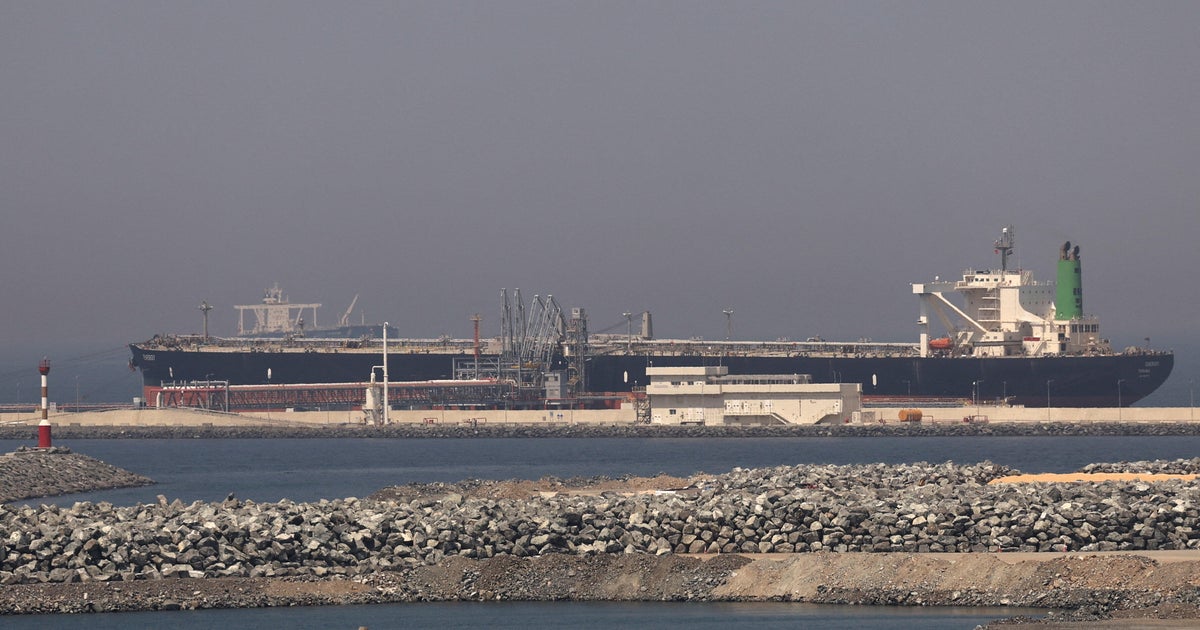
Strait of Hormuz: With the Iranian IRGC declaring regulatory control and direct fighting between U.S. and Iranian forces underway, transit through the strait faces material risk. Iran has suggested the waterway could reopen if "aggressor threats" end.
-
Financial Markets: According to NBC News, when reports emerged of an imminent U.S.-Iran negotiated settlement, equities surged and oil prices collapsed, with gas prices reacting immediately and spiking upward.
-
Energy Supply: Reuters Breakingviews analyzes that if the Strait of Hormuz reopens, the UAE could release five million barrels of crude per day outside OPEC, warning also of a potential post-war price collapse.
Humanitarian Situation
-
With Iran's renewed UAE strikes confirmed, civilian casualty concerns in the Gulf region are mounting. Major powers maintain travel advisories discouraging visits to the UAE and Iran.
-
Israeli airstrikes near Beirut have raised risks of new civilian casualties in Lebanon. The wounding of four IDF soldiers has been officially confirmed.
-
According to USA Today, as the Trump administration issues a new ultimatum, governments across the region have elevated civilian aviation and maritime transport alerts to maximum levels.
Expert Analysis
-
Reuters Breakingviews: If the Strait of Hormuz reopens, the UAE could flood the market with five million barrels daily following its OPEC exit, potentially followed by Saudi action. Investors fixated on high oil prices face a dual risk: post-war price collapse and delayed energy transition.
-
Deutsche Bank: According to Yahoo Finance reporting, Deutsche Bank economists analyzed the Iran war's oil shock impact across three indicators, concluding that sustained current price levels materially increase recession risks in major economies.
-
CNBC Market Strategists: U.S. equity "euphoria" is causing investors to underestimate recession risks from prolonged Iran conflict. Strategists note that investors are not fully pricing in oil shock's real economy spillover effects.
At a Glance
| Indicator | Status |
|---|---|
| Tension Level | Critical (maximum) |
| Combat Intensity | U.S.-Iran direct naval engagement, UAE resurgent strikes, Israeli Beirut strikes occurring simultaneously |
| Brent Oil | Plunged on negotiation hopes, rebounded after renewed attacks; hit $126/bbl before extreme volatility |
| Hormuz Transit | Severe threat (Iranian IRGC regulatory declaration, direct U.S.-Iran fighting) |
| Diplomatic Channels | Active but highly unstable (Iran reviewing U.S. proposal) |
| Next Key Deadline | Iran's formal response to U.S. ceasefire proposal (specific date undisclosed) |
What to Watch Next
-
Iran's Official Negotiation Response: Whether Iran issues a formal response to the Trump administration's ceasefire proposal within the next 48 hours is the biggest variable ahead. Iranian officials have only said they are "reviewing" the offer.
-
Trump's Next Military Move: Given Trump's warning of "significantly higher intensity" strikes, watch for potential large-scale U.S. military action if Iran refuses a deal or commits further provocations.
-
Strait of Hormuz Reopening: The Iranian IRGC has conditioned Hormuz reopening on "ending aggressor threats." Without a negotiated settlement, normalizing Hormuz transit remains impossible.
-
Israel's Lebanon Escalation Risk: With Israeli airstrikes continuing near Beirut and IDF soldiers now wounded by Lebanese drone attacks, the risk of large-scale Israeli operations in Lebanon is heightening.
What You Should Do Now
- Check Travel Alerts: If you plan to visit the UAE, Iran, Lebanon, or Israel, immediately consult your government's travel warnings and avoid unnecessary visits. Bookmark your foreign ministry travel advisory page and the U.S. State Department travel advisory site.
- Energy/Commodity Investors: Given extreme oil volatility, reassess short-term crude futures positions and Gulf energy-related ETF exposure. Hormuz transit reopening is the key price trigger.
- Real-Time News Sources: Bookmark New York Times Live Blog (nytimes.com), Al Jazeera Live Blog (aljazeera.com), and NPR (npr.org) for continuous updates.
- Official Channels to Monitor: U.S. Central Command official X (Twitter) account, Iranian Foreign Ministry official channels, IAEA official statements (iaea.org), and UN Secretary-General announcements (un.org/sg).
Sources and Reliability
This briefing cross-referenced multiple major news outlets and wire services: NYT, NPR, USA Today, CBS News, The Guardian, The Independent, Al Jazeera, Jerusalem Post, BBC, Reuters, NBC News, and CNBC. Only articles published May 7–8 were cited. Specific casualty counts and damage scale from Iran's UAE resurgent strikes remain officially unconfirmed and have been excluded. Trump's claim that "Iran will hand uranium to the U.S." comes from Jerusalem Post reporting only and has not been independently confirmed by U.S. or Iranian official statements—reader caution is warranted.
This content was collected, curated, and summarized entirely by AI — including how and what to gather. It may contain inaccuracies. Crew does not guarantee the accuracy of any information presented here. Always verify facts on your own before acting on them. Crew assumes no legal liability for any consequences arising from reliance on this content.
Powered by
