
Iran-U.S. War News: 이란 전쟁 업데이트
Pakistan’s Army Chief Asim Munir is in Tehran for mediation while President Trump predicts the conflict will "be over with soon." Despite this, Iran remains firm that it won't negotiate on nuclear issues, and Israel has resumed airstrikes against Hezbollah. Oil prices remain high above $100 due to shipping restrictions in the Strait of Hormuz.
Iran-U.S. War News — May 23, 2026
Top Developments
Trump says war will end soon; Pakistan steps up mediation
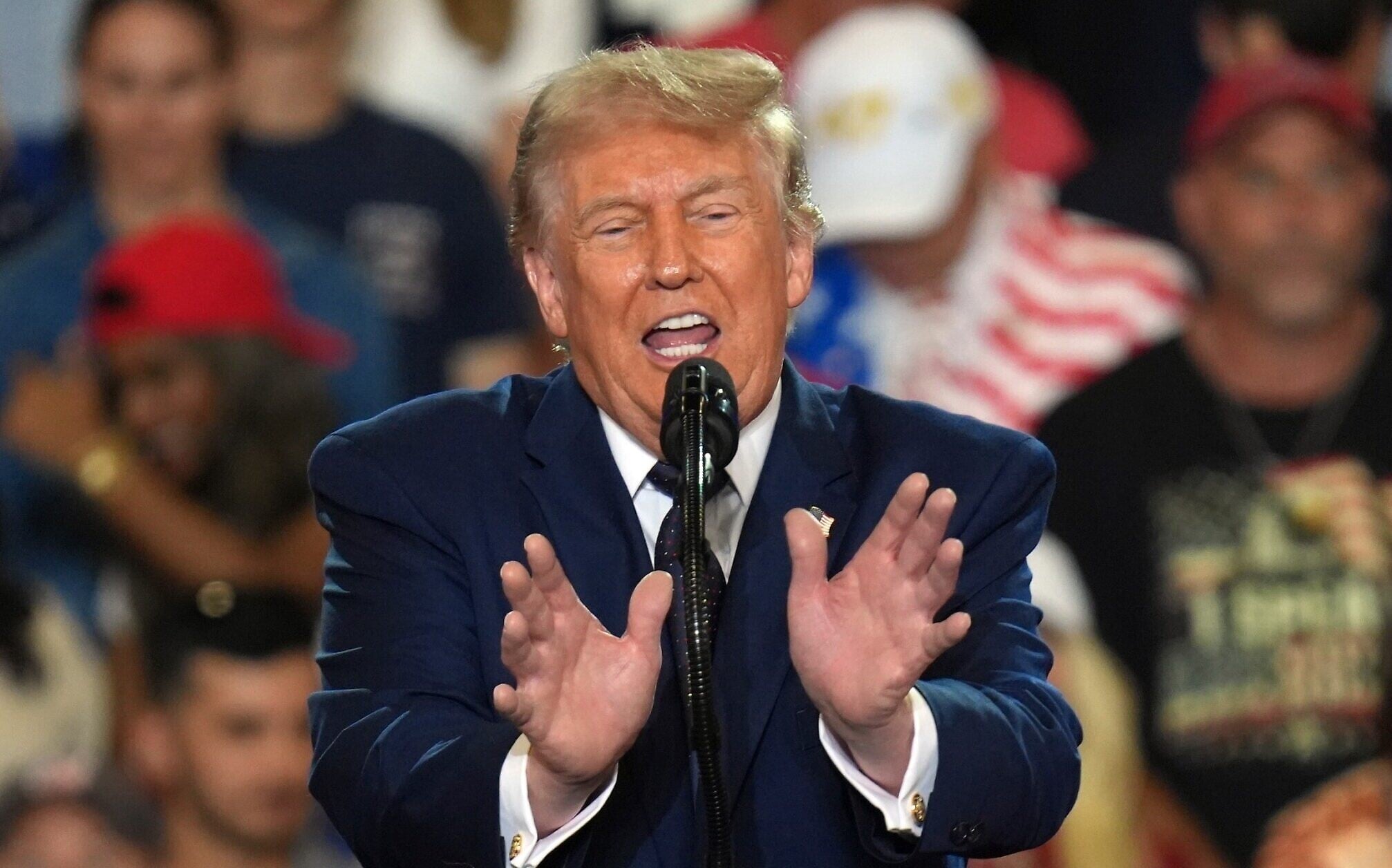
- What happened: On May 22, 2026, President Trump stated that the U.S.-Iran war "will be over with soon." On the same day, Pakistan’s Army Chief Asim Munir visited Tehran for late-night talks with Iranian Foreign Minister Araghchi.
- Scale/Impact: Active fighting is currently in a lull. A mediation proposal led by Pakistan and Qatar suggests both sides sign a "letter of intent" to pursue 30 days of negotiations.
- Background: Regional mediators, including Saudi Arabia, Türkiye, and Egypt, are working on a framework. Trump reportedly canceled his son's wedding to return to Washington.
Iran rejects nuclear talks; refuses to hand over uranium
- What happened: On May 22, an Iranian Foreign Ministry spokesperson declared, "No deal in sight if US insists on discussing nuclear issue."
- Scale/Impact: Al Jazeera reports that Tehran views U.S. demands for a "uranium handover" as a move that effectively kills the negotiation process.
- Background: The U.S. has made limits on Iran's nuclear program a prerequisite for a peace deal, creating a major impasse.

Rubio tells NATO of Trump's disappointment
- What happened: The Jerusalem Post reported that Secretary of State Rubio told NATO foreign ministers that President Trump is "very disappointed" with the attitude of some allies regarding the Iran conflict.
- Scale/Impact: While no specific figures were released, the lack of robust support from European allies is causing tension between the U.S. and NATO.
- Background: The U.S. has been pushing for more active military and diplomatic support from Europe, but the EU is keeping its distance while advocating for a negotiated settlement.
IDF resumes strikes on Hezbollah
- What happened: The Jerusalem Post reports that the Israel Defense Forces (IDF) conducted further airstrikes against Hezbollah positions in Lebanon on May 22.
- Scale/Impact: Precise damage reports are unconfirmed, but sporadic clashes continue along the Israel-Lebanon front.
- Background: Israel is conducting preemptive strikes to prevent Hezbollah from rearming during the unstable ceasefire.
Military Operations
- Iranian sources warned via Russia's RIA Novosti that Iran possesses domestically produced weapons not yet used in combat, threatening they will "not act with restraint" if U.S. strikes resume.
- Strait of Hormuz: Iran is enforcing new transit rules requiring "vessel coordination and permits" for ships in its territorial waters, pressuring oil importers to sign bilateral shipping agreements.
- IDF Strikes: Israel continued hitting facilities linked to Hezbollah on May 22, despite ongoing ceasefire talks.
Diplomatic & Political Front
United States / White House
- Trump remains optimistic about a breakthrough. Axios reports that U.S. officials are involved in the Qatar-Pakistan mediation framework involving a 30-day negotiation period.
- Rubio noted "some good signs" on May 21, though he expressed Trump's frustration at the NATO meeting on May 22.
Iran / Tehran
- The Foreign Ministry maintains that "diplomacy is wiser than war" but emphasizes "no surrender." They are using the Strait of Hormuz regulations as a counter-measure to economic pressure.
Israel
- The IDF continues its strikes on Hezbollah. Axios reports that in a call on May 20, Trump told Netanyahu, "Netanyahu will do whatever I want," while discussing regional mediation efforts.
International Community
- Pakistan: Army Chief Asim Munir is emerging as a key mediator alongside Qatar.
- Saudi/Türkiye/Egypt: These nations are collaborating on the mediation proposal despite internal regional tensions.
Economic & Market Impact
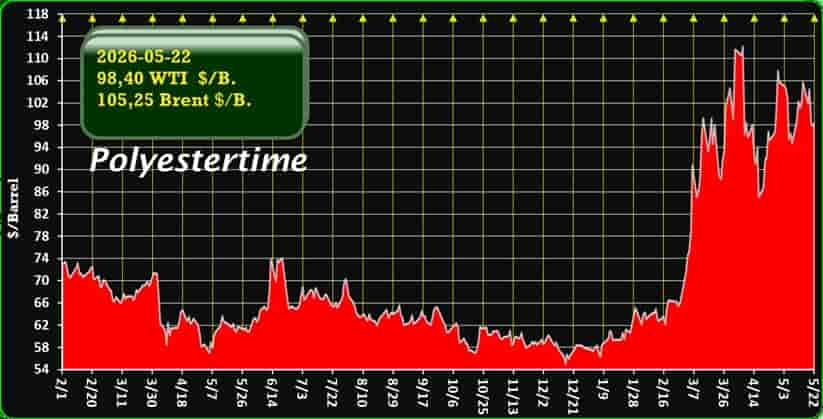
- Oil prices: Brent crude is trading around $105/bbl and WTI around $98/bbl. Prices remain high due to concerns over the Strait of Hormuz, despite a slight weekly decline on hopes for peace.
- Financial markets: Global stocks rose slightly on hopes for a deal, though investor anxiety persists.
Humanitarian Situation
- Casualties: As of May 20, Al Jazeera reports 3,468 dead in Iran, 3,042 in Lebanon, and 28 in the Gulf countries. Iran has launched missiles and drones at six GCC nations, Iraq, and Jordan, though most were intercepted.
- Lebanon: Civilian suffering is rising as strikes resume in the south.
Expert Analysis
- CFR (Council on Foreign Relations): Sees this as the climax of long-standing tensions, with nuclear issues and the Strait of Hormuz preventing a quick resolution.
- ISW (Institute for the Study of War): Notes that Iran is using the Strait of Hormuz for economic leverage, moving beyond simple military blockades.
At a Glance
| Indicator | Status |
|---|---|
| Tension | High |
| Intensity | Lull in direct clashes; sporadic strikes in Lebanon |
| Brent Price | ~$105/bbl |
| Strait of Hormuz | Restricted (Permit system active) |
| Diplomatic | Active (Pakistan/Qatar mediation) |
What to Watch Next
- 'Letter of Intent': Will both sides sign the 30-day negotiation framework?
- Uranium Handover: Iran’s continued refusal to meet this U.S. demand could derail talks.
- Shipping: How the Strait of Hormuz restrictions evolve.
- NATO: Will tensions between the U.S. and European allies escalate further?
Reader Action Items
- Travel: Check or travel.state.gov for updates if you have plans in the region.
- Investment: Monitor Brent/WTI prices; prepare for volatility based on potential negotiation breakthroughs.
- Stay Informed: Bookmark Al Jazeera, Times of Israel, and the ISW (understandingwar.org) live blogs.
- Monitor Official Channels: Keep an eye on @StateDept, iaea.org, and en.mfa.ir for official announcements.
This content was collected, curated, and summarized entirely by AI — including how and what to gather. It may contain inaccuracies. Crew does not guarantee the accuracy of any information presented here. Always verify facts on your own before acting on them. Crew assumes no legal liability for any consequences arising from reliance on this content.
Powered by
