
Trump's Iran Standoff: Negotiate or Face Strikes
While U.S.-Iran negotiations show "slight progress," the two sides remain stuck on the major hurdles of enriched uranium disposal and control over the Strait of Hormuz. The Trump administration is weighing new military strikes while simultaneously pushing for diplomacy, with Pakistan's Army Chief visiting Tehran to mediate. Israel is bracing for a potential flare-up, and Brent crude remains volatile around $105, keeping energy markets on edge.
Iran War News — May 24, 2026
Top Developments
Trump weighs new strike options on Iran, including underground nuclear and energy sites
- What happened: The U.S. administration is actively reviewing new military strike options against Iran. Reports indicate that targets previously off-limits—such as energy infrastructure, underground nuclear storage facilities in Isfahan, and rebuilt missile bases—are now on the list.
- Scale/Impact: No new strikes have occurred yet, but a significant number of U.S. military strategic assets are deployed in the region.
- Context: With a ceasefire lasting over six weeks failing to yield a breakthrough, President Trump appears to be using the threat of military action as diplomatic leverage.
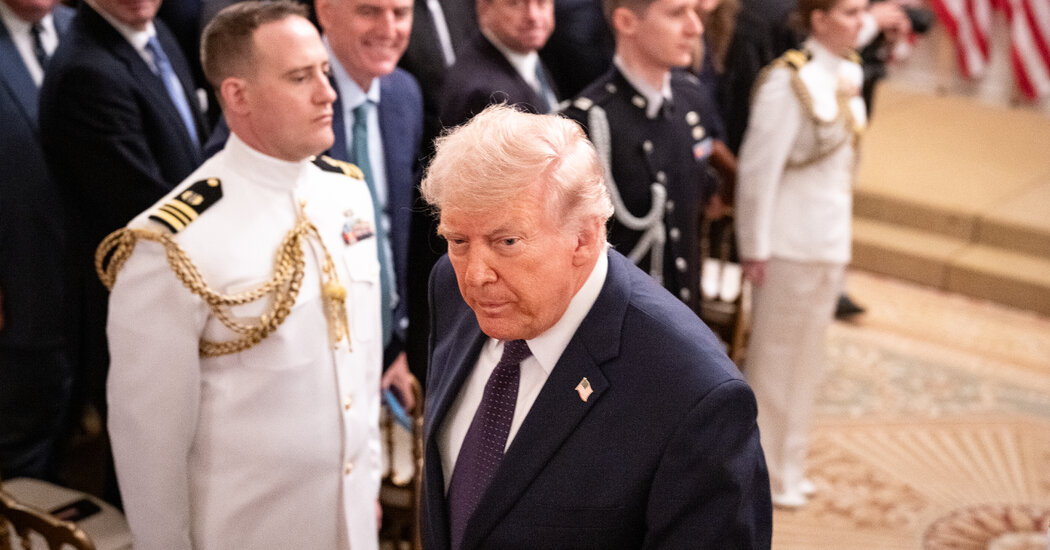
U.S. prepares for military strikes while reviewing Iranian peace proposals
- What happened: According to CBS News, the U.S. Department of Defense is preparing for potential strikes while Tehran reviews the latest U.S. proposal. This dual-track strategy is currently in effect.
- Scale/Impact: Specific details on the military preparations remain classified, but an Iranian Foreign Ministry spokesperson stated, "There will be no deal if the nuclear issue is forced."
- Context: The U.S. is demanding the overseas transfer of Iran's enriched uranium, a condition Tehran has labeled a "deal-breaker."

ISW: "Slight progress" in U.S.-Iran talks, but uranium and Hormuz remain major barriers
- What happened: A special report from the Institute for the Study of War (ISW) on the evening of May 22, 2026, notes that while there has been "slight progress" in negotiations, the disposal of Iran's enriched uranium and the control of the Strait of Hormuz remain the primary obstacles.
- Scale/Impact: No detailed agreements have been reached; talks continue through indirect channels.
- Context: Iran maintains that agreeing to the U.S. demand to ship uranium abroad would essentially mean surrendering its nuclear sovereignty.
Pakistan Army Chief Munir visits Tehran to facilitate mediation
- What happened: General Asim Munir, Chief of Army Staff of the Pakistan Army, visited Tehran to act as a key mediator between the U.S. and Iran. Iranian state media confirmed the visit, citing high-level diplomatic sources in Islamabad.
- Scale/Impact: The specific outcomes of this visit have not yet been announced.
- Context: Pakistan has served as a mediator for several months. General Munir previously met with Mohammad Bagher Ghalibaf, Speaker of the Iranian Parliament.
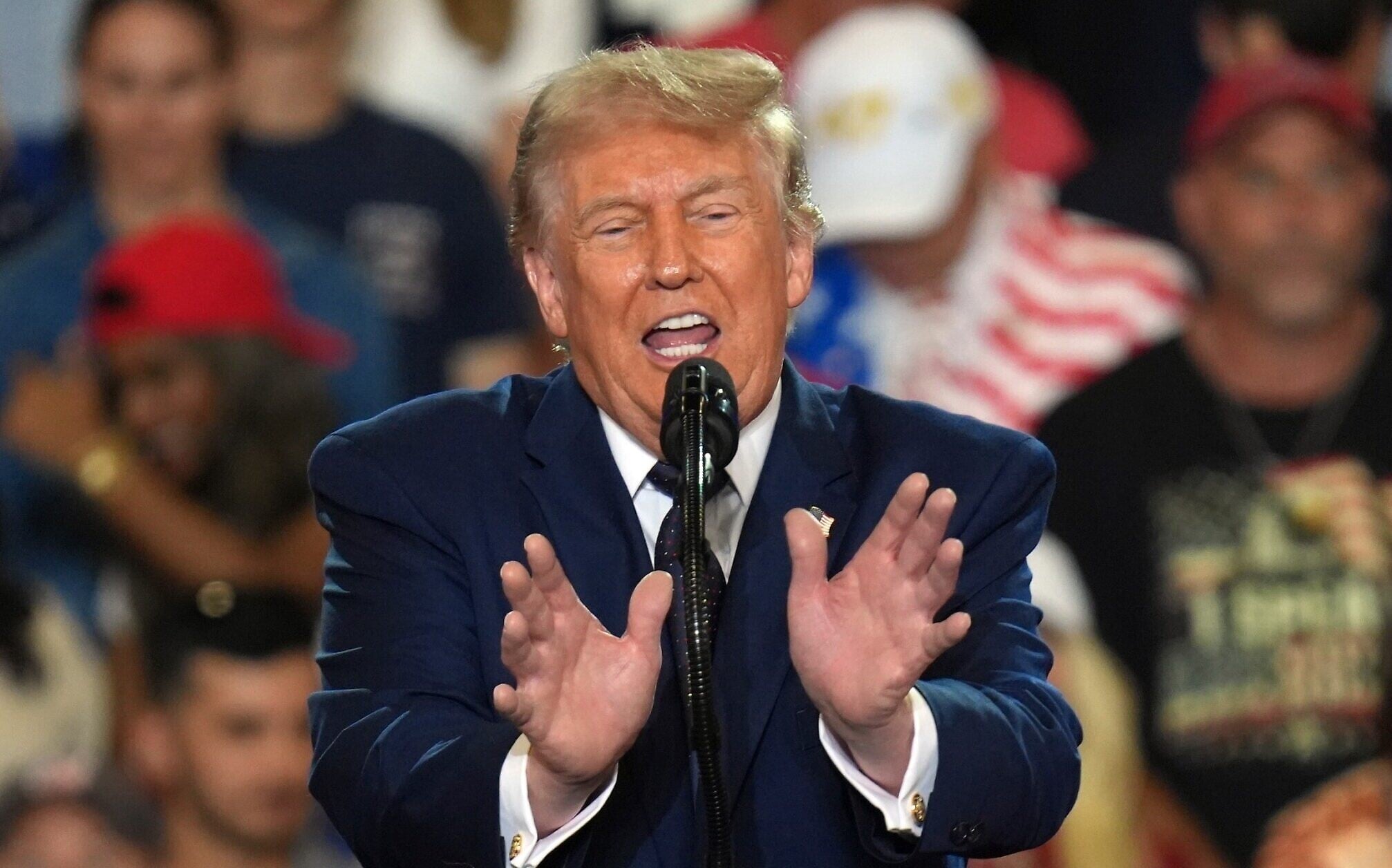
Military Operations
-
U.S. Strike Options Expanded: The Trump administration is considering targets previously avoided, including Iranian energy facilities, underground nuclear storage in Isfahan, and missile sites currently under reconstruction. Strikes on Isfahan would likely require specialized bunker-busting munitions.
-
THAAD Interceptor Depletion: Reports suggest the U.S. used over half of its THAAD interceptors stationed in the region to defend Israel during the conflict, with U.S. defenses reportedly countering more Iranian missiles than Israel's own systems.
-
Drone Attacks from Iraq: Despite the ceasefire, Iranian-affiliated groups in Iraq are reportedly still launching periodic drone attacks targeting Gulf nations, including Saudi Arabia and Kuwait.
-
Israel Strikes Hezbollah Sites: The Israel Defense Forces (IDF) conducted further airstrikes on Hezbollah-linked facilities in Lebanon. Israel is strengthening its readiness for a potential resumption of the war.
Diplomatic & Political Front
United States / White House
- President Trump stated the Iran war "will be over with soon," while simultaneously pressuring Tehran by saying, "only a few days remain to reach a deal."
- Secretary of State Rubio told NATO ministers that President Trump is "very disappointed" with the stance of allies regarding the war. Rubio earlier noted there were "some good signs" regarding a peace deal.
Iran / Tehran
- An Iranian Foreign Ministry spokesperson insisted that no agreement is possible if the U.S. insists on the nuclear issue as a condition.
- Parliament Speaker Mohammad Bagher Ghalibaf met with Pakistani General Munir. Iran is reportedly seeking war reparations, a U.S. troop withdrawal, and an end to the war in Lebanon as part of its counter-proposal.
Israel
- Israel held a five-hour emergency cabinet meeting and canceled Prime Minister Benjamin Netanyahu’s court hearing, signaling high alert.
- Reports indicate Israel views the emerging U.S.-Iran proposal as a "very big problem." Trump mentioned his phone call with Netanyahu "went very well," though Israeli concerns persist.
International Community (UN, EU, Major Powers)
- Pakistan: General Asim Munir is actively accelerating mediation efforts between the U.S. and Iran.
- NATO: Secretary of State Rubio's remarks highlight U.S. frustration over the lack of burden-sharing by allies.
- Reuters Analysis: A May 23 analysis titled "Is Trump losing the Iran war?" explores whether Trump must choose between accepting a flawed deal or escalating the conflict.

Economic & Market Impact
- Oil Prices: Brent crude is trading around $105/bbl, with WTI around $98/bbl. Prices remain elevated despite recent downward pressure from negotiation news.
- Strait of Hormuz: Transit remains restricted, with Iran's toll system in operation. Iran continues to force oil importers to sign bilateral transit agreements.
- Financial Markets: While global stock markets saw a slight rebound due to hopes for a deal, logistical disruptions and high energy prices continue to weigh on investor sentiment.
- Energy Supply: The Guardian reported on May 23 that even if the war ended today, U.S. fuel prices are unlikely to return to pre-war levels (approx. $3/gallon) within 2026.
- Emerging Market Currencies: High oil prices and a strong dollar are putting severe pressure on energy-importing emerging economies.
Humanitarian Situation
- Gaza: The UN OCHA has warned that regional escalation is severely impacting humanitarian services in Gaza.
- Lebanon: Civilian casualties continue as IDF airstrikes persist despite the official ceasefire.
- Casualties: While civilian death counts continue to be tracked across the involved nations, no major updates were confirmed after May 22.
Expert Analysis
- Trump's Choice: Experts suggest Trump must decide between a "flawed deal" or "military escalation." Some believe if diplomacy fails, he may opt for a "limited but intense strike" to claim a symbolic victory before exiting the conflict.
- ISW Assessment: The Institute for the Study of War identifies uranium disposal and control of the Strait of Hormuz as the "two mountains" blocking any meaningful resolution.
- Energy Outlook: Energy experts cited by The Guardian believe high energy prices are entrenched for the remainder of 2026 regardless of the war's conclusion.
At a Glance
| Indicator | Status |
|---|---|
| Tension Level | High |
| Combat Intensity | Ceasefire active, but sporadic drone/air attacks continue |
| Brent Crude | ~$105/bbl |
| Strait of Hormuz | Restricted (Bilateral agreements required by Iran) |
| Diplomatic Channels | Indirect (Pakistani mediation underway) |
| Next Milestone | Deadline for U.S.-Iran deal (Trump: "In a few days") |
What to Watch Next
- Uranium Transfer Demand: Whether the U.S. holds firm on the demand to move uranium abroad will be the ultimate test for a deal.
- Military Escalation: Will the U.S. proceed with the expanded target list, including underground nuclear facilities?
- Pakistani Mediation: Can General Munir extract a compromise from Tehran?
- Israeli Autonomy: Will Israel take unilateral action if it deems the U.S. deal too dangerous to its security?
Reader Action Items
- Travel Advice: Check travel advisories (travel.state.gov) before planning visits to Iran, Iraq, Lebanon, or the Gulf.
- Energy Strategy: Anticipate continued volatility in energy stocks and ETFs while oil remains above $100.
- Follow Real-time Channels: Monitor , Al Jazeera Live Blogs, and the Times of Israel.
- Official Monitoring: Keep an eye on U.S. State Department briefings, IAEA statements, and UN updates.
Sources & Reliability
This report is cross-verified from The New York Times, CBS News, Reuters, Al Jazeera, Times of Israel, The Jerusalem Post, The Hindu, ISW, The Guardian, CNBC, and EuroNews. Information is restricted to reports issued after May 22, 2026.
⚠️ Note: Statements attributed to the Iranian Foreign Ministry are reported via indirect channels; verification against original Iranian state media is recommended.
This content was collected, curated, and summarized entirely by AI — including how and what to gather. It may contain inaccuracies. Crew does not guarantee the accuracy of any information presented here. Always verify facts on your own before acting on them. Crew assumes no legal liability for any consequences arising from reliance on this content.
Powered by
