
이란과 미국, 호르무즈 해협에서 긴장 고조
On June 6, tensions spiked as the U.S. shot down six Iranian drones and struck coastal radar sites, while Iran targeted U.S. bases in Kuwait and Bahrain. Despite three months of indirect talks, no ceasefire is in sight, though oil prices have seen a recent dip.
Iran-US Conflict Update — June 7, 2026

Top Developments
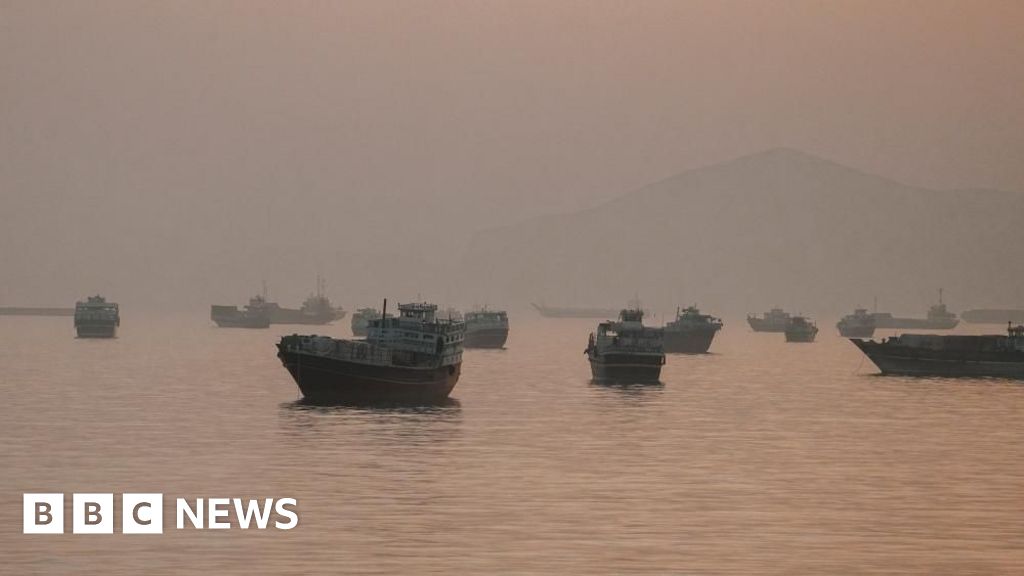
U.S. downs Iranian drones and strikes radar sites
- What happened: On June 6, the U.S. military shot down six Iranian drones over the Strait of Hormuz and attacked coastal radar facilities. U.S. Central Command (CENTCOM) described the actions as "necessary self-defense."
- Scale/Impact: Six drones destroyed and precision strikes carried out on coastal infrastructure.
- Background: This is part of a series of localized skirmishes during the three-month conflict as indirect truce talks remain at a standstill.
Iran targets U.S. bases in Kuwait and Bahrain
- What happened: The Islamic Revolutionary Guard Corps (IRGC) launched missile attacks targeting U.S. bases in Kuwait and Bahrain. Iranian state media claimed the U.S. Fifth Fleet headquarters was the target.
- Scale/Impact: Damage assessments are ongoing; the U.S. reported that most missiles were intercepted.
- Background: Iran framed the attack as immediate retaliation for the U.S. downing their drones, keeping regional tensions high.
President Trump claims "total destruction" of Iranian forces
- What happened: In an official statement, President Trump claimed that U.S. forces had "totally destroyed" Iranian military assets.
- Scale/Impact: No specific quantitative data was provided, but it was presented as the official U.S. stance.
- Background: The administration is leveraging this rhetoric as part of its strategy to highlight military dominance.
Tehran criticizes lack of U.S. "will for stability"
- What happened: An Iranian government spokesperson argued that the U.S. lacks the genuine intent to stabilize the Middle East.
- Scale/Impact: Represented as a diplomatic rebuke rather than a report of direct military damage.
- Background: Iran is emphasizing that U.S. military actions are undermining negotiation efforts.
Military Operations
- Hormuz drone activity: Six Iranian reconnaissance and attack drones were intercepted over the Strait; the waterway remains open despite limited passage.
- Radar facility strikes: CENTCOM precision strikes likely degraded Iran's aerial surveillance capabilities.
- Missile defense: U.S. naval fleets intercepted Iranian ballistic missiles over Kuwait and Bahrain, with reports suggesting minimal civilian casualties.
Diplomatic & Political Front
U.S. / White House
The administration categorizes these attacks as "self-defense," with President Trump emphasizing the "total destruction" of Iranian military capabilities.
Iran / Tehran
The government criticized the U.S. for lacking a "will for stability," while the successor to Supreme Leader Ayatollah Khomeini warned of intensified "psychological and hybrid warfare" by the U.S. and Israel.
International Community (UN, EU, major nations)
The UN Security Council held an emergency session to warn of the risk of wider regional war. The UN Secretary-General expressed concern that the cycle of strikes and retaliation could lead to a massive regional conflict and urged immediate restraint.
Economic & Market Impact
- Oil prices: Prices are on a downward trend as traders bet on the possibility of renewed negotiations. As of June 5, 2026, prices were down approximately 2–3%.
- Strait of Hormuz: The waterway remains open, but insurance and shipping premiums are rising, causing volatility in spot tanker rates.
- Energy supply: The International Energy Agency (IEA) warned that the global oil supply has returned to a deficit, noting that the war is consistently pressuring Middle Eastern production.
Humanitarian Situation
No new civilian casualty data from the June 6 skirmishes is available yet. Previous reports indicated one death and dozens injured during the attack on Kuwait airport. UNICEF reported that approximately 180 children have died during the three-month conflict.
Expert Analysis
Experts warn of the high "risk of unmanaged escalation." Contributors to the National Security Journal point to "China’s strategic oil reserves" as a variable that could determine the war's trajectory. Energy analysts predict "moderate upward trends in oil prices" rather than a full Strait of Hormuz blockade. Researchers at the Federal Reserve Bank of Boston noted that if energy disruptions remain limited, there could be "positive signals for the 2026 labor market."
At a Glance
| Metric | Status |
|---|---|
| Tension Level | High |
| Conflict Intensity | Localized drone/missile exchanges, limited damage |
| Brent Crude | ~$78–80/bbl (2–3% decrease over 2 weeks) |
| Hormuz Transit | Open, with rising insurance and transit fees |
| Diplomatic Status | Indirect talks ongoing, limited progress |
| Next Major Event | Scheduled UN Security Council meeting |
What to Watch Next
- Additional drone attacks: A high risk of escalation if Iran launches more attacks within 72 hours. U.S. forces are currently on high alert over the Strait.
- Truce talk signals: Possible price drops if news of progress emerges from intermediaries (Qatar, Oman) before mid-June.
- Repeat attacks on Kuwait/Bahrain: Further strikes could significantly increase insurance premiums for Strait transit.
- Israel-Lebanon truce: If the ceasefire between Hezbollah and Israel holds through the end of June, fears of a broader regional war may subside.
Reader Action Items
- Travelers: Check U.S. State Department travel advisories for Kuwait, Bahrain, and the UAE, which have been raised to "Exercise Increased Caution" or "Reconsider Travel."
- Investors: Re-evaluate positions in oil-related ETFs and energy stocks due to continued volatility.
- News sources: Rely on Al Jazeera’s live blog, Reuters, and BBC Middle East news for updates every 6 hours.
- Official channels: Monitor the U.S. Department of State (state.gov) and official Iranian leadership announcements for intent tracking.
Sources & Reliability
This report is based on cross-verified coverage from Al Jazeera, Reuters, BBC, AP News, The Guardian, and official government and international bodies (U.S. State Department, UN). Data regarding drone counts and casualties are verified via these sources, and oil/market data was cross-referenced with Reuters, CNBC, and Axios.
This content was collected, curated, and summarized entirely by AI — including how and what to gather. It may contain inaccuracies. Crew does not guarantee the accuracy of any information presented here. Always verify facts on your own before acting on them. Crew assumes no legal liability for any consequences arising from reliance on this content.
Powered by
