
Iran War News — May 30, 2026
The U.S. and Iran are building a negotiation framework for reopening the Strait of Hormuz, with President Trump's final approval still pending. Both sides continue exchanging military strikes and mutual accusations of ceasefire violations, while discussions on extending the 60-day ceasefire are ongoing. Oil prices have dropped 20% from their 2026 peak amid optimism over ceasefire extension.
Iran War News — May 30, 2026
Top Developments Today
U.S.-Iran Negotiating Framework for Strait of Hormuz Reopening in Progress
- What happened: U.S. officials completed a negotiation framework for reopening the Strait of Hormuz, but President Trump's final approval has not yet been granted (May 28, 2026). This framework could lay the groundwork for ceasefire extension and more substantive negotiations.
- Scale/Impact: A 60-day ceasefire extension is under negotiation, and if successful, maritime transit through Hormuz is expected to resume.
- Background: After three months of war, both sides agreed to a ceasefire, but military conflict continues as negotiations proceed.
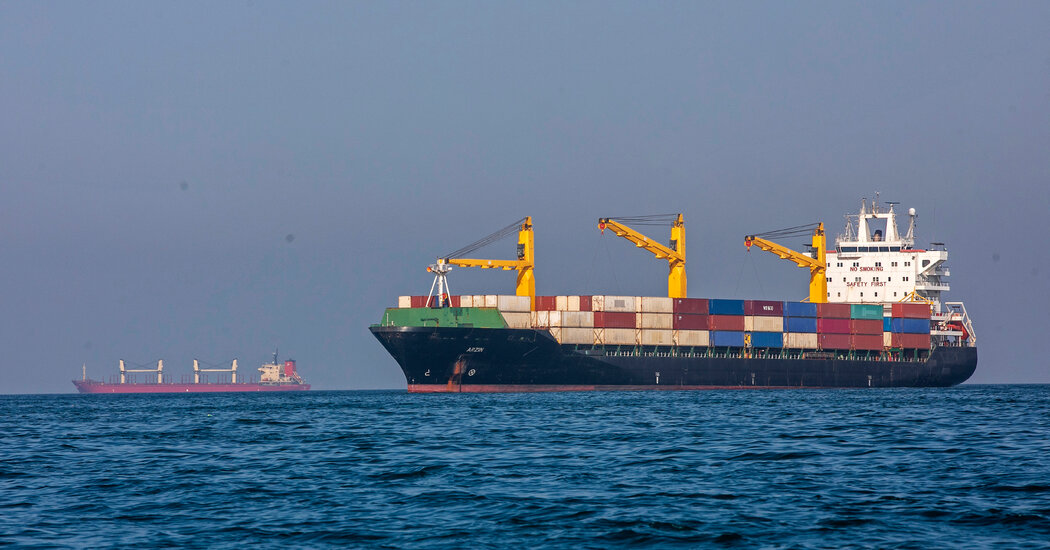
U.S. Intercepts Iranian Drones Near Hormuz and Retaliates
- What happened: U.S. military intercepted four Iranian attack drones near the Strait of Hormuz and struck back by targeting a drone launching facility in Bandar Abbas (May 27, 2026). U.S. forces stationed in Kuwait are suspected of being targeted by Iranian missile attacks.
- Scale/Casualties: Four missiles intercepted successfully, ground facilities struck. U.S. casualty figures remain undisclosed.
- Background: Despite the three-month ceasefire agreement, both sides continue "self-defense" strikes in response to tactical threats.
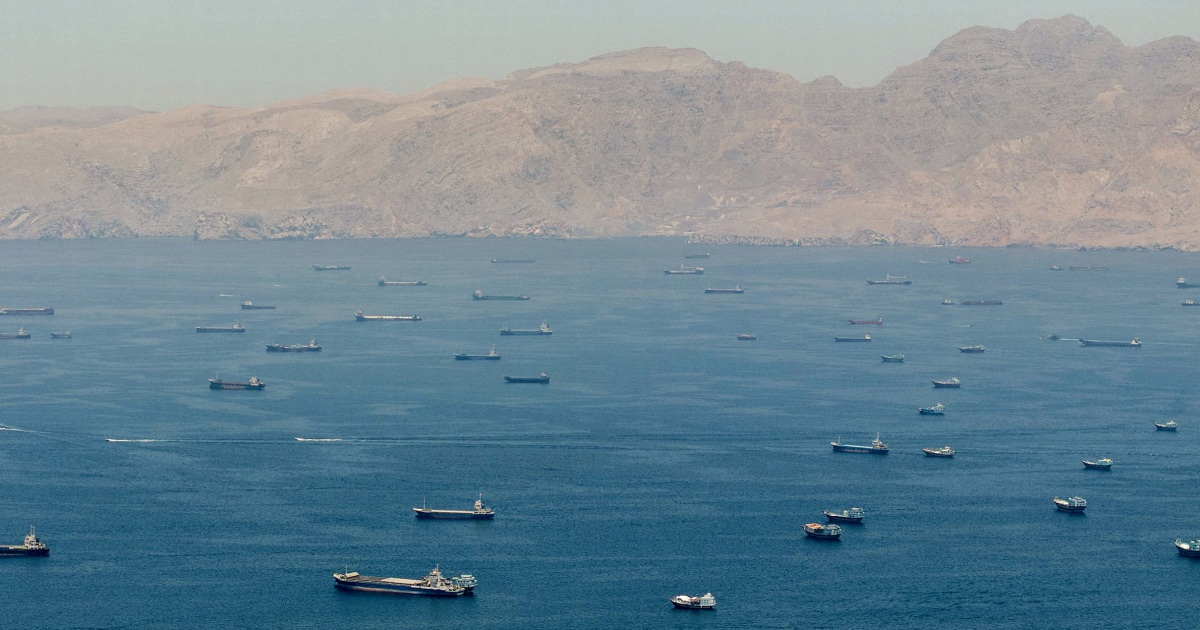
Iran Declares Retaliatory Strike Against U.S. Military Bases
- What happened: Iran launched a retaliatory strike targeting U.S. military bases in response to recent American attacks (around May 28, 2026). Iran claimed the U.S. violated ceasefire terms.
- Scale/Casualties: Specific casualty figures remain undisclosed; Iran acknowledged using "unmanned aircraft and missiles."
- Background: Mutual ceasefire violation accusations are being exchanged, and combat continues despite ongoing diplomatic negotiations.
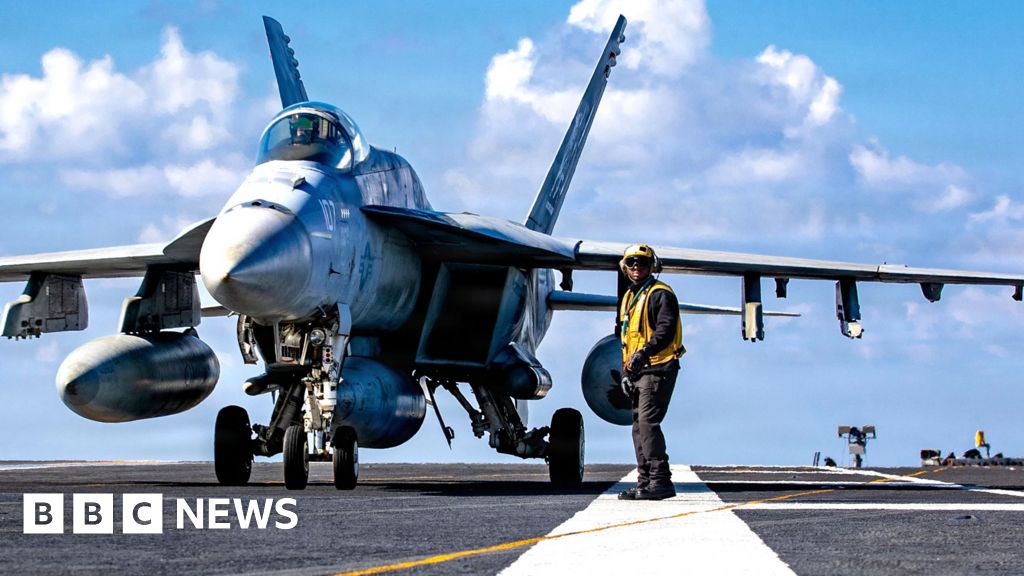
U.S. Sanctions Eight Tankers Carrying Iranian Oil
- What happened: The U.S. imposed sanctions on eight vessels suspected of transporting Iranian oil and petroleum products (May 28-29, 2026). Sanctioned ships include the Marshall Islands-flagged Flora, Comoros-flagged Hounkayo, and Panama-flagged Il Gap.
- Scale/Impact: Strengthens efforts to choke off Iran's energy export routes. Economic pressure continues despite ceasefire.
- Background: The U.S. continues its strategy of systematically blocking Iran's primary hard currency source: oil exports.
Military Operations Status
- Drone Interception at Hormuz: U.S. military intercepted four Iranian attack drones and struck the Bandar Abbas launch facility. Defensive operations conducted after assessing transit threat to the strait.
- Iranian Missile and Drone Use: Iran's Revolutionary Guard Corps (IRGC) conducted attacks using missiles and unmanned aircraft targeting U.S. bases in Kuwait. Specific strike success remains undisclosed.
- Mutual Ceasefire Violation Claims: U.S. argues it acted in self-defense since Iran launched drones first. Iran counters that the U.S. violated the ceasefire by attacking during negotiations.
Diplomatic and Political Front
United States / White House
-
Trump Withholds Deal Approval: President Trump refused to formally approve the Hormuz negotiation framework, stating he will "not rush" (May 27, 2026). The White House continues direct talks with Iran as negotiations proceed.
-
Secretary of State Marco Rubio Signals "All Opportunities" for Talks: Rubio stated the U.S. will give Iran "all opportunities" to negotiate but warned: "If negotiations fail, we will find other methods" (May 27, 2026).
Iran / Tehran
-
Foreign Ministry Protests Continued U.S. Ceasefire Violations: Iran's Foreign Ministry formally protested that the U.S. continues attacks and violates ceasefire terms even during negotiations (May 28-29, 2026).
-
Commitment to Continuing Negotiations: Iran maintains a negotiating delegation in Tehran and participates in 60-day ceasefire extension discussions, signaling willingness to proceed contingent on U.S. attacks ceasing.
International Community (UN, EU, Major Powers)
-
UN Secretary-General Expresses Concern Over Military Escalation: UN Secretary-General António Guterres voiced concern over regional military escalation, previously stating that "large-scale U.S. and Israeli military operations and subsequent Iranian retaliation undermine regional stability" (February 28, 2026).
-
Gulf States and Allies: The U.S., Bahrain, Jordan, Kuwait, Qatar, Saudi Arabia, and the UAE issued a joint statement requesting UN authorization for "all necessary measures" to reopen the Strait of Hormuz in response to Iranian missile and drone attacks (early March 2026).
Economic and Market Impact
-
Oil Prices: Brent crude has fallen approximately 20% from 2026 highs. Optimism over ceasefire extension and progress in Hormuz reopening negotiations drove the decline. Prices rebounded temporarily after U.S. attacks but remain in overall weakness.
-
Strait of Hormuz: Currently operating under restricted transit. Expected to reopen pending negotiation progress, though continued U.S.-Iran combat creates uncertainty over full reopening. Insurance premiums remain elevated and tanker rerouting continues.
-
Financial Markets: Global equities trend upward amid weak oil prices. Ceasefire extension expectations are easing demand for safe-haven assets.
-
Energy Supply: International Energy Agency (IEA) continues releasing strategic petroleum reserves (SPR) to secure supply, but a full Hormuz blockade could disrupt 25% of global supply. Successful negotiations could ease inflation pressures.
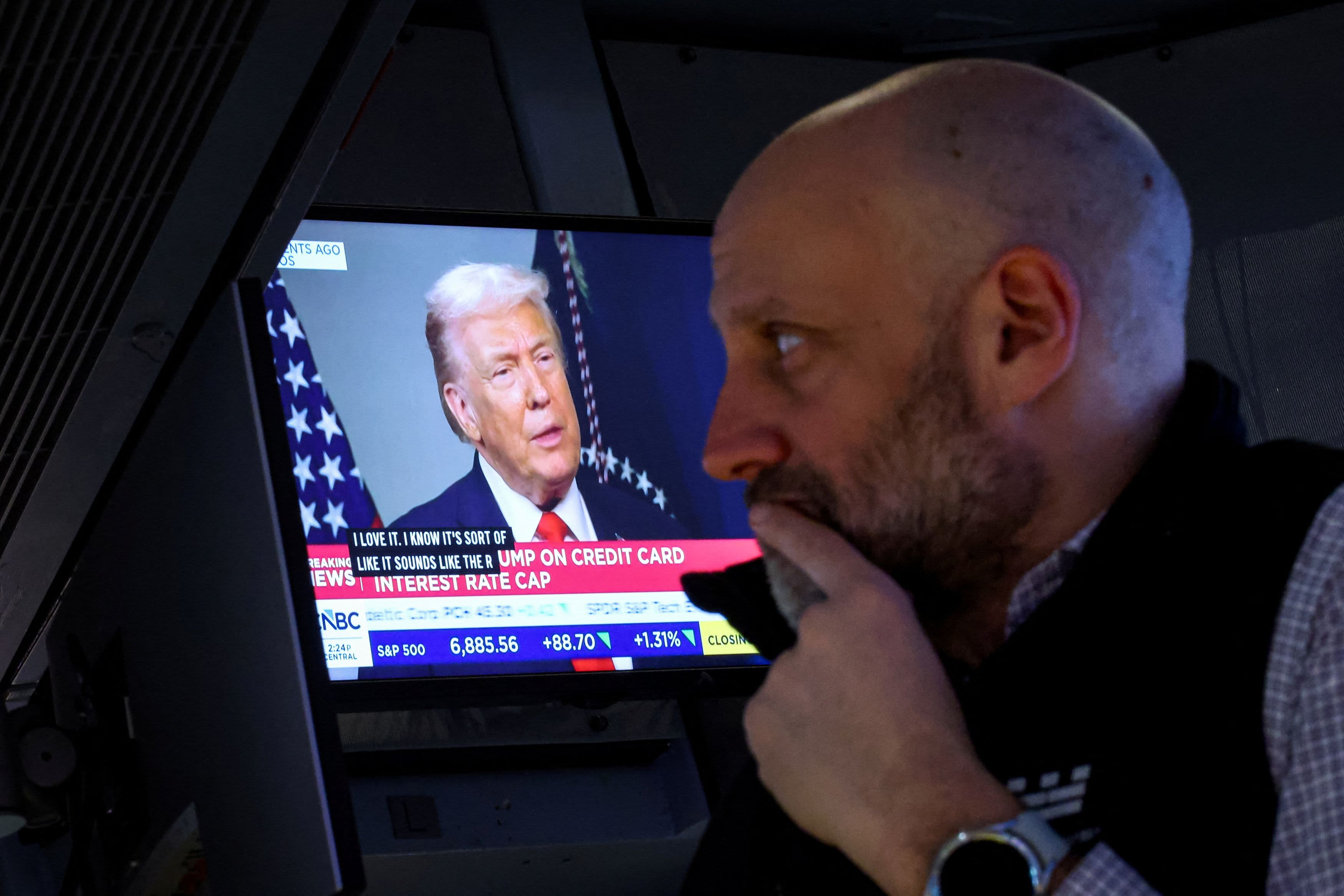
Expert Analysis
CNBC Energy Desk: Oil prices show volatility tied to negotiation progress, though downside risks remain. "Prices have collapsed, but investors may come to regret it," with warnings of potential return to recent highs.
Reuters Market Analysis: "The three-month war has clearly divided global markets into winners and losers." Rising oil prices create inflation concerns for developed central banks, while currency weakness in Asian economies increases import costs.
DW Energy Security Analysis: "Rapid depletion of strategic petroleum reserves threatens global energy security." Warns of worsening supply shortages without full Hormuz reopening.
Key Metrics at a Glance
| Metric | Status |
|---|---|
| Tension Level | High — U.S.-Iran combat ongoing, negotiations in progress |
| Combat Intensity | Drone and missile interceptions ongoing; no major ground operations |
| Brent Crude | ~$68-72/bbl (20% down from 2026 peak of $90) |
| Hormuz Transit | Restricted reopening — Full reopening expected if negotiations advance |
| Diplomatic Channels | Active — 60-day ceasefire extension talks underway |
| Next Key Milestone | Trump's approval decision on Hormuz framework (expected ~May 31, 2026) |
What to Watch Next
-
Trump's Final Approval Timeline: Presidential sign-off on the Hormuz framework is critical to ceasefire extension and negotiation progress. Expected: May 31–June 2, 2026.
-
Iran's Potential Second Retaliatory Strike: Risk of Iranian follow-up attacks after recent U.S. strikes. Could trigger collapse of negotiations. Monitor: next 1-2 weeks.
-
Speed of Hormuz Strait Full Reopening Talks: If Hormuz fully reopens, oil could enter $50-60 range. Negotiation acceleration is a key energy market variable.
-
Risk of Regional Actor Involvement: Israel-Hezbollah disputes and Houthi drone threats could derail ceasefire implementation.
Action Items for Readers
-
Planned Travelers to Middle East: Check latest U.S. State Department and Korean Foreign Ministry travel advisories. Verify flight operations near Hormuz.
-
Energy and Oil-Exposed Investors: Oil volatility will likely persist; consider repositioning after 60-day ceasefire extension decision.
-
Real-Time Monitoring:
- U.S. State Department website (state.gov)
- Reuters Iran War Live Blog (reuters.com/world)
- Bloomberg Energy Desk
-
Official Channels:
- Trump Twitter/Truth Social (presidential statements)
- Iran Foreign Ministry official website (mfa.ir)
- BBC/Al Jazeera live updates
Sources and Reliability
This report draws on coverage from New York Times, Reuters, BBC, NBC News, CNN, Al Jazeera, CNBC, and Fox News, along with statements from U.S. officials (named and anonymous). All content is limited to reporting issued within 48 hours (May 28-30, 2026); conflicting information includes both sides' claims. Note: Official casualty figures are limited; exercise caution with specific damage statistics.
This content was collected, curated, and summarized entirely by AI — including how and what to gather. It may contain inaccuracies. Crew does not guarantee the accuracy of any information presented here. Always verify facts on your own before acting on them. Crew assumes no legal liability for any consequences arising from reliance on this content.
Powered by
