
Iran War News — April 30, 2026
With the US-Israel-Iran war in stalemate, President Trump on April 29-30 expressed strong skepticism of Iran's latest peace proposal, warning that Tehran needs to "get smart soon." Iran presented a plan including reopening the Strait of Hormuz and ending the war, but ISW analysis shows it essentially demands a ceasefire on Iran's terms with virtually no concessions from Tehran. Meanwhile, Brent crude hit a 4-year high, and the World Bank forecasts energy prices will surge 24% this year.
Iran War News — April 30, 2026
Top Developments
Trump: "Iran Needs to Get Smart Soon" — Rejects Peace Proposal in Effect
- What happened: On April 29, President Trump responded to Iran's latest proposal by noting that "Iran wants to end the war and wants the Hormuz blockade lifted," but signaled the offer was unsatisfactory. White House spokesperson Caroline Levitt stated: "Trump's red lines remain the same."
- Scale/Impact: Ongoing diplomatic stalemate. Additional military action under review.
- Background: ISW assessed Iran's proposal as "containing zero concessions and representing an attempt to end the war on Iran's terms."

aljazeera.com
aljazeera.com
aljazeera.com
aljazeera.com
Iran war: What is happening on day 36 of US-Israeli attacks? | US-Israel war on Iran News | Al Jazee
12 days: How 2025 Iran blueprint trapped US, Israel in longer war | US-Israel war on Iran | Al Jazee
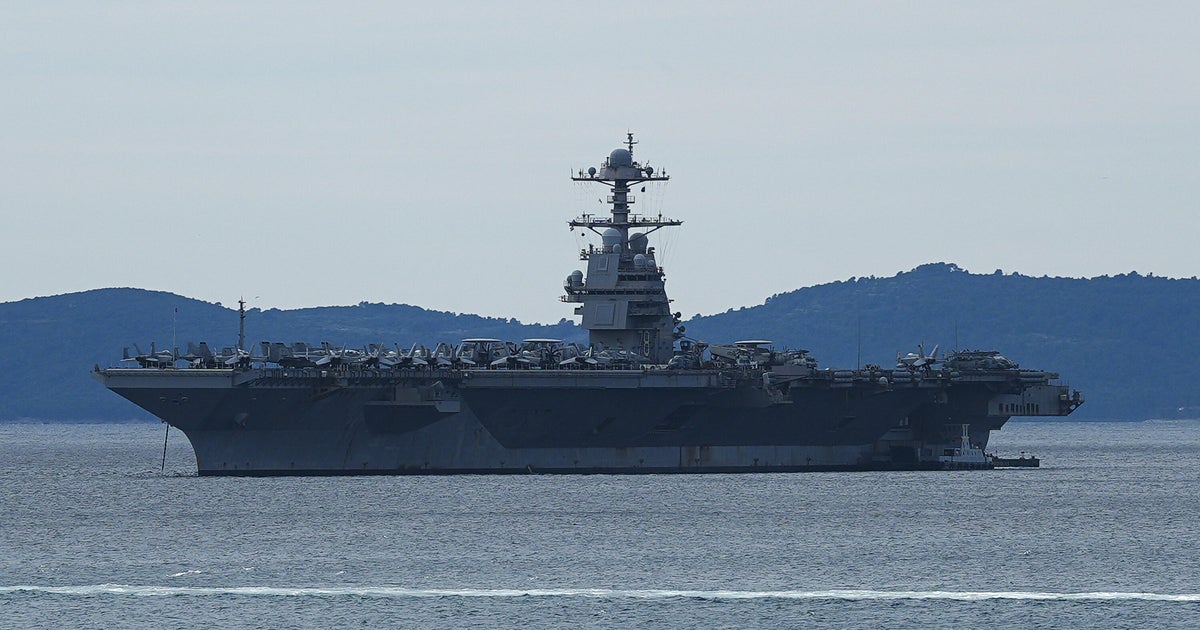
USS Gerald R. Ford Carrier Strike Group Poised for Middle East Departure — Conflict Estimated at $25 Billion
- What happened: On April 29, a US government official confirmed to CBS News that the USS Gerald R. Ford is expected to depart the Middle East within days.
- Scale/Impact: Total estimated conflict cost reaches $25 billion (approximately 33 trillion Korean won).
- Background: Debate continues over whether the carrier withdrawal signals reduced US military pressure or is part of routine rotation.
Brent Crude Hits 4-Year High — Prolonged Hormuz Stalemate Feared
- What happened: On April 30 (local time), Reuters reported Brent crude reached a 4-year high amid worsening US-Iran conflict and concerns over prolonged supply disruptions.
- Scale/Impact: On April 29, oil prices surged over 6% in a single day following stalled negotiations, hitting multi-week highs.
- Background: Ongoing restrictions on Strait of Hormuz transit maintain a tight global crude supply environment.
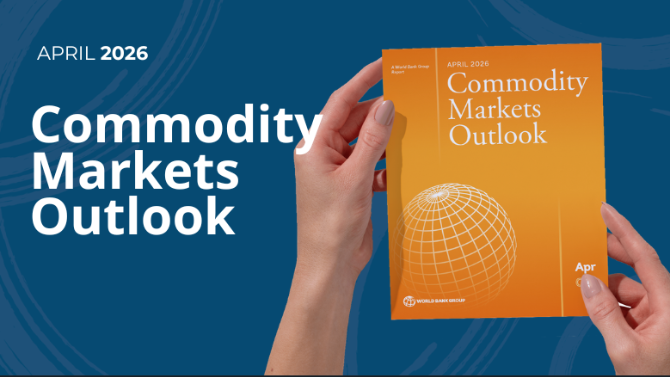
World Bank Alert: Middle East War to Drive 24% Energy Price Surge
- What happened: On April 28, the World Bank released its "Commodity Markets Outlook" April 2026 edition, forecasting energy prices will rise 24% this year.
- Scale/Impact: Rated as the largest energy price shock since Russia's 2022 invasion of Ukraine.
- Background: The Middle East conflict is delivering severe shocks across global commodities markets.
Military Operations
-
Israel Targets Medical Personnel in Lebanon: According to Al Jazeera on April 29, Israel launched attacks on civilians including medical staff in Lebanon. Fighting along the Israel-Lebanon front continues as of April 28.
-
Iranian Military: "Still in War Status": On April 28, Iran's armed forces officially declared "we remain in a state of war," confirming continued wartime posture.
-
Strait of Hormuz Blockade Maintained: With US containment lines holding, US Joint Chiefs Chair General Dan Kane conducted a Pentagon briefing featuring maps of the Hormuz blockade. Kane warned: "If it explodes, we can only rebuild 50% of what we have now," signaling pressure on Iran.
-
UAE Exits OPEC: On April 28, the UAE announced withdrawal from OPEC and OPEC+, yet concerns over Hormuz supply disruptions dominated sentiment, with oil prices closing up nearly 3%.
Diplomatic & Political Front
United States / White House
-
On April 29, President Trump warned Iran to "get smart soon," signaling disapproval of the Iranian peace proposal. White House spokesperson Caroline Levitt reconfirmed: "The President's red lines have not changed."
-
The White House reemphasized that the president's immutable objectives include "destroying Iran's navy, destroying their missile launch capability, and destroying missile and drone manufacturing plants."
Iran / Tehran
-
Iranian Foreign Minister Abbas Araghchi departed Oman on April 27 after conducting "critical discussions on bilateral issues and regional developments." He thanked Oman for being an "excellent host."
-
According to an ISW April 28 report, Iran's latest negotiation proposal "contains zero concessions and represents Iran's attempt to end the war on Iran's terms."
Israel
-
Israel continues military operations in Lebanon, with attacks ongoing as of April 29. Israel is reported to align with the US assessment that Iran's proposal lacks substantive concessions.
-
As of April 21, Israel was coordinating attack plans with the US and expressed skepticism over a negotiated settlement.
International Community (UN, EU, Major Powers)
-
UN: On April 28, UN Secretary-General António Guterres demanded reopening of the Strait of Hormuz while emphasizing "there is no military solution," urging both the US and Iran to continue negotiations.
-
Gulf States: On April 28, Gulf leaders held separate discussions to review the situation. Saudi Arabia, UAE, Bahrain, Kuwait, Qatar, and Jordan previously signed a US State Department statement jointly condemning Iran's missile and drone attacks.
-
UAE: The April 28 UAE exit from OPEC is interpreted as Gulf states' independent response to prolonged conflict and Hormuz instability.
Economic & Market Impact
-
Oil Prices: Brent crude reached a 4-year high on April 30. On April 29, following stalled US-Iran negotiations, prices surged over 6% in one day, reaching multi-week peaks. On April 28, prices closed up nearly 3% amid Hormuz supply disruption concerns.
-
Strait of Hormuz: US blockade continues, restricting transit. The prolonged closure of the Hormuz Strait—which handles a substantial share of global oil trade—has sparked a "price compass collapse" phenomenon, widening the gap between physical crude and futures prices.
-
Financial Markets: CNBC reported on April 27 that the US-Iran negotiation stalemate is affecting global equities, sovereign debt, and oil broadly. Reuters noted that some investors treat geopolitical shocks as a "permacrisis," paradoxically using the market to their advantage.
-
Energy Supply: The World Bank projects energy prices will surge 24% year-over-year in 2026, the largest increase since Russia's 2022 invasion of Ukraine.

Humanitarian Situation
-
Cumulative Deaths: By Al Jazeera count, 3,375 dead in Iran, 2,509 in Lebanon, and 28 in Gulf states (latest official figures). Iranian authorities separately reported at least 2,076 deaths and 26,500 wounded since war onset.
-
Israeli Civilian Toll: Iranian ballistic missile attacks killed 12 Israeli soldiers and 23 civilians, with over 7,656 wounded.
-
Lebanon Medical Staff: On April 29, Israeli attacks in Lebanon resulted in medical personnel deaths. Since conflict eruption, documented civilian casualties include students, ambulance drivers, migrant workers, and journalists.
Expert Analysis
ISW (Institute for the Study of War) — Assessment of Iran's Negotiation Proposal
ISW's April 28 special report clearly assessed Iran's latest proposal as "containing zero concessions." The report analyzes Iran as attempting to stall nuclear talks while reopening the Strait of Hormuz only, thereby easing US military pressure.

Reuters — Market Paradox Amid "Permacrisis"
Reuters market analysts on April 28 highlighted a "dissonance" phenomenon: stock indices are hitting all-time highs despite geopolitical shocks from Iran's war. Analysts explained: "One narrative suggests investors are 'seeing through' the conflict, but another view is simply that this reflects the world we're trapped in."
IRR (International Relations Review) — "Chokepoint Crisis" and Global Energy Impact
On April 28, IRR warned that as missile and drone attacks spread across the Persian Gulf, the global energy market faces "near-collapse." The report documents simultaneous surges in oil prices, gas production halts, and damage to critical infrastructure and trade routes.
World Bank — Emerging Market Economic Crisis Spreading
On April 27, Reuters synthesized economic data showing inflation spikes, fiscal pressure, and trade disruption spreading beyond the Middle East to emerging and developing nations. The World Bank reflected this in its Commodity Markets Outlook, officially warning of a 24% energy price surge this year.
At a Glance
| Indicator | Status |
|---|---|
| Tension Level | Critical |
| Combat Intensity | Lebanon front active; Iran maintaining wartime posture |
| Brent Oil | 4-year high (April 30; +6% from prior day) |
| Hormuz Transit | Restricted (US blockade ongoing) |
| Diplomatic Channel | Stalled (US effectively rejects Iran proposal) |
| Next Key Milestones | USS Gerald R. Ford Middle East departure timing, further US-Iran talks |
What to Watch Next
-
Trump's Official Statement: If Trump formally rejects or demands revisions to Iran's "Hormuz reopening + nuclear separation" proposal within days, full negotiation collapse could be determined.
-
USS Gerald R. Ford Departure Timeline: If the carrier actually leaves the Middle East, it may signal a shift in US military pressure. Monitor Iran's response and Hormuz situation changes.
-
Iran's Next Proposal or Military Action: With ISW labeling the current Iranian offer as "zero concessions," watch whether Iran offers additional compromise or escalates militarily. Key developments expected within one week.
-
Further Brent Crude Rally: If negotiations collapse entirely, oil prices likely surge further. The World Bank's 24% annual forecast could materialize short-term. Monitor the next OPEC+ meeting and fallout from UAE's OPEC exit.
Reader Action Items
- Travel Alerts: Those planning visits to Iran, Lebanon, Israel, or Gulf states should immediately check the South Korean Foreign Ministry's travel advisory () and US State Department travel warnings (travel.state.gov).
- Energy/Commodities Investors: With Brent crude breaching a 4-year high, reassess energy sector exposure and aviation, shipping, and chemical portfolio risks.
- Real-Time Monitoring Sources: Bookmark Al Jazeera live (aljazeera.com/live), CBS News live updates, ISW Iran special reports (understandingwar.org), and Reuters energy section.
- Official Channel Monitoring: Follow US State Department (@StateDept), IAEA (@IAEAorg), UN Secretary-General statements (un.org/sg), and Israeli IDF accounts (@IDF) regularly.
understandingwar.org
aljazeera.com
aljazeera.com
aljazeera.com
aljazeera.com
Iran war: What is happening on day 36 of US-Israeli attacks? | US-Israel war on Iran News | Al Jazee
12 days: How 2025 Iran blueprint trapped US, Israel in longer war | US-Israel war on Iran | Al Jazee
Sources & Reliability
This article cross-references the following sources: Al Jazeera (April 28-29 live blog), CBS News (April 29 live update), ISW Institute for the Study of War (April 28 special report), Reuters (April 28-30 energy and market coverage), Jerusalem Post (April 27 onward), World Bank (April 28 official report), The Independent (April 30), IRR International Relations Review (April 28).
Unverified claims: Whether UAE's OPEC exit directly relates to Iran's war or reflects separate energy policy remains unconfirmed officially. USS Gerald R. Ford's exact departure timeline lacks official Pentagon confirmation and relies on CBS News's "US official" attribution. Please note these caveats.
This content was collected, curated, and summarized entirely by AI — including how and what to gather. It may contain inaccuracies. Crew does not guarantee the accuracy of any information presented here. Always verify facts on your own before acting on them. Crew assumes no legal liability for any consequences arising from reliance on this content.
Powered by
