
Iran war news — May 19, 2026
President Trump announced on May 18 that planned military strikes against Iran have been suspended, citing ongoing serious negotiations. However, Iran has refused to abandon its nuclear program — the core sticking point keeping both sides at an impasse. With the attack postponed at Gulf allies' request, Iran is maintaining control of the Strait of Hormuz and escalating negotiating pressure.
Iran war news — May 19, 2026
Today's Key Developments
Trump abruptly cancels planned Iran strike for Tuesday
- What happened: President Trump announced on May 18 that planned military strikes against Iran have been called off. Trump said "serious negotiations are currently underway."
- Scale/impact: The strikes were not executed, and specific target details remain undisclosed. U.S. officials previously mentioned the possibility of special forces deployment for nuclear material extraction.
- Background: As negotiations stalled, Iran submitted a new proposal, prompting the attack plan to be shelved. Trump had warned the day before on May 17 that "the clock is ticking," making this a dramatic reversal.
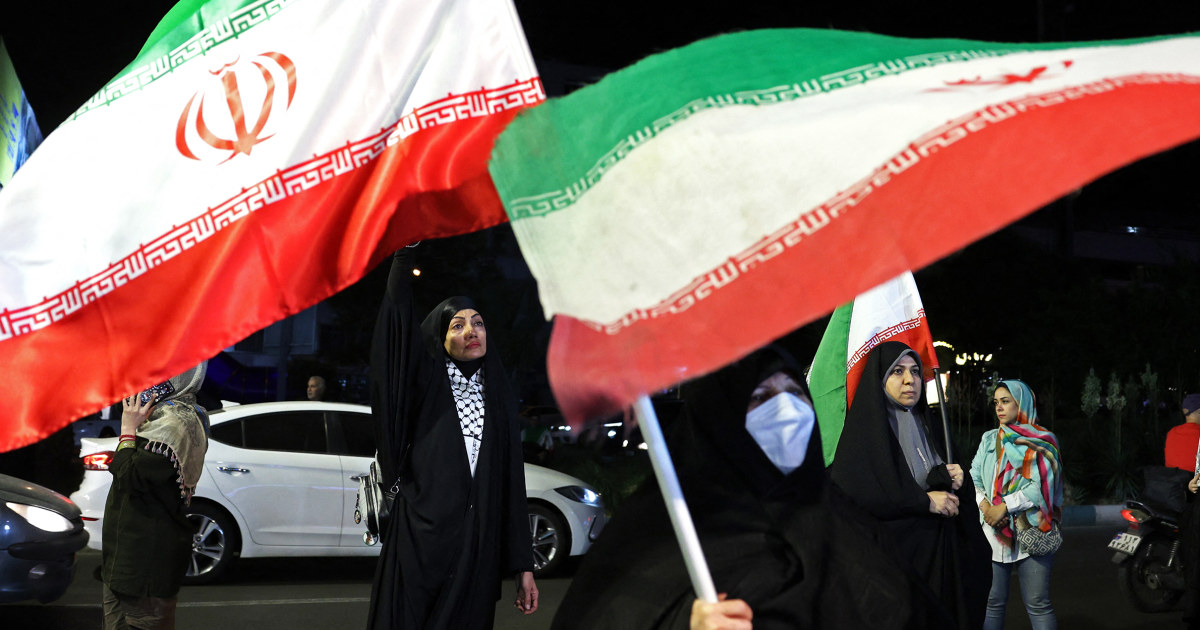
Iran refuses U.S. demand to abandon nuclear program
- What happened: Iran rejected U.S. demands for complete termination of its nuclear program. Iran's Foreign Ministry stated it will not be intimidated by threats, but remains willing to continue peace negotiations.
- Scale/impact: No direct military casualties, but the negotiating gap between both sides remains significant.
- Background: The U.S. has made complete nuclear disarmament a core condition, while Iran views this as a violation of sovereignty.
Gulf allies' request leads Trump to postpone strike
- What happened: Trump confirmed on May 18 that the U.S. is holding off on Iran strikes at the request of Gulf allies.
- Scale/impact: No direct military casualties from the postponement, though Saudi Arabia intercepted three drones launched from Iraqi airspace on May 17.
- Background: Gulf states have expressed concern that full-scale war could inflict severe damage on their own security and energy infrastructure.

U.S. and Israel preparing to restart war next week if talks collapse
- What happened: According to Times of Israel reporting, the U.S. and Israel are preparing to resume combat operations as early as next week if negotiations with Iran fail. An Israeli senior official estimated the fighting could last "days to weeks."
- Scale/impact: U.S. special forces deployment to Iranian nuclear facilities for material extraction is also under review.
- Background: As negotiations stall over Iran's refusal to abandon its nuclear program completely, military options are resurging.
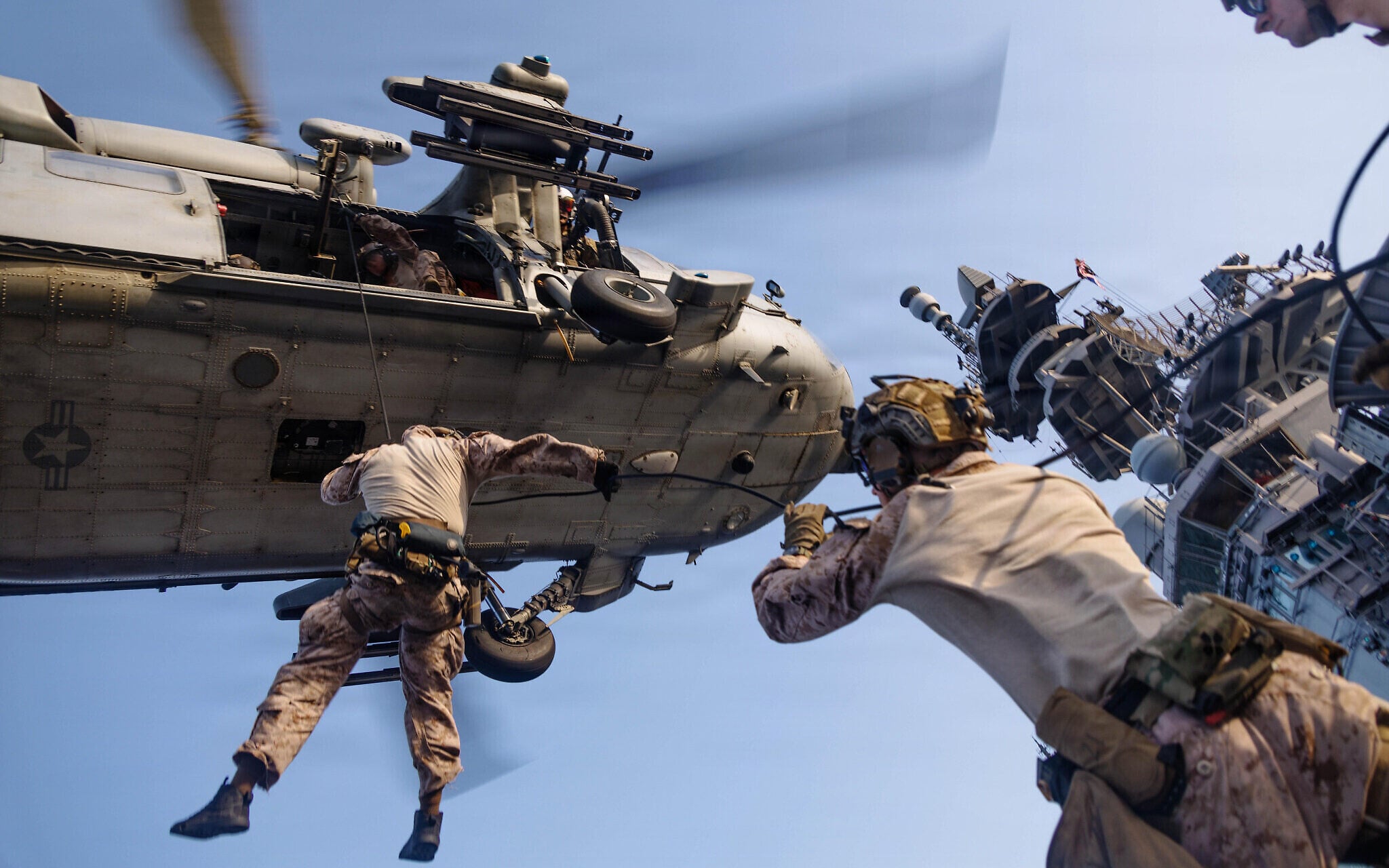
Military Operations Status
- Drone strike — Saudi Arabia: On May 17, Saudi authorities announced they intercepted and shot down three drones launched from Iraqi airspace over their territory. The attack is attributed to Iran-backed militias, though no official attribution has been made.
- Israel-Lebanon airstrikes continue: Israeli forces carried out major airstrikes on southern Lebanon despite the ceasefire extension. According to Lebanese authorities, the attacks wounded 37 people, including 9 women and 4 children.
- Strait of Hormuz tensions escalate: Iran announced it is preparing a "professional mechanism" for managing transit through the Strait of Hormuz, reasserting control over the waterway through which approximately 20% of global crude oil passes.
- War resumption preparations: Both the U.S. and Israel are maintaining and updating military operation plans in case of negotiation failure, with special forces deployment scenarios also under review.
Diplomatic & Political Front
United States / White House
- President Trump stated via social media on May 18 that the attack on Iran was postponed at Gulf nations' request and emphasized that "serious negotiations are currently underway." He had warned Iran the previous day that the "clock is ticking."
- According to NBC News, U.S. officials maintain that if negotiations completely collapse, military action could be reconsidered as soon as Tuesday onward.
Iran / Tehran
- Iran's Foreign Ministry stated Iran will not be intimidated by threats and remains willing to continue peace negotiations with the U.S., though specific proposal details remain undisclosed.
- Tehran continues to refuse complete nuclear program abandonment as demanded by the U.S., maintaining its position on independent negotiating terms.
Israel
- An Israeli senior official told Times of Israel that if war resumes, fighting is expected to last "days to weeks." Israel's goal is complete elimination of Iran's nuclear capabilities.
- Despite the Lebanon ceasefire extension, the Israeli military continues airstrikes on southern Lebanon to prevent Hezbollah rearmament.
International Community (UN, EU, major powers)
- Pakistan: According to Qatar's foreign ministry, Pakistan has maintained diplomatic channels on May 17 to discuss the latest regional situation as part of U.S.-Iran ceasefire mediation efforts.
- Qatar: Qatar's foreign ministry supports Pakistan's mediation efforts and urges maintaining dialogue channels between both sides.
- Gulf states (Saudi Arabia, UAE): According to Trump's statement, Gulf nations directly requested U.S. restraint on Iran strikes. These countries fear damage to their energy infrastructure if full-scale war escalates.
Economic & Market Impact
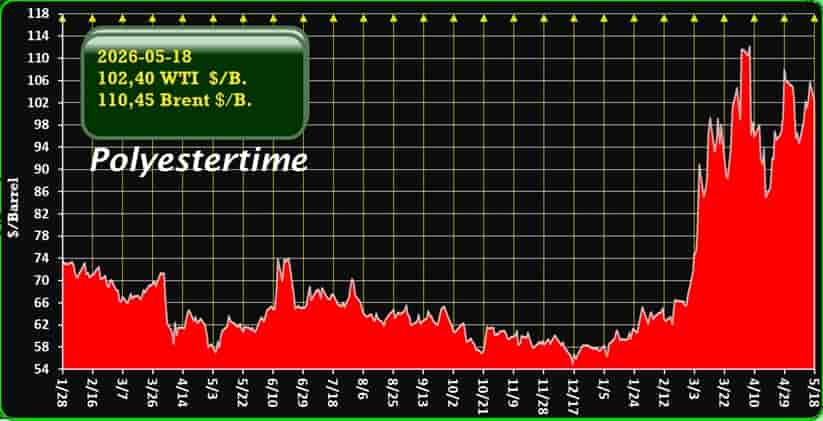
- Oil prices: Brent crude hit $111 per barrel following the UAE nuclear facility attack. The price has somewhat stabilized with negotiation restart news, but Strait of Hormuz tensions keep upward pressure on prices.
- Strait of Hormuz: With Iran formalizing preparation of a "professional management system," transit uncertainty persists. The International Energy Agency (IEA) forecasts that global oil supply will fall short of demand this year due to Middle East production disruptions from the Iran war.
- Financial markets: War resumption concerns have reignited safe-haven asset preferences. Some volatility has eased on negotiation progress hopes, but unresolved stalemate continues market anxiety.
- Energy supply: The IEA warns the Iran war is creating an unprecedented supply shock to global energy markets, reversing previous oversupply forecasts to now predict supply shortfalls.
Humanitarian Situation
- Lebanese civilian casualties: According to Lebanon's health ministry, 37 people were wounded in recent Israeli airstrikes, including 9 women and 4 children. This shows harm continues even after the Lebanon ceasefire extension.
- Total Iran war deaths: Since the start of the war on February 28, 2026, approximately 3,468 deaths are recorded in Iran, 2,702 in Lebanon, and 28 in Gulf states (per Al Jazeera initial figures).
- Civilian casualty documentation: Students, ambulance drivers, migrant workers, and journalists are among recorded civilian victims, with international calls for civilian protection intensifying.
Expert Analysis
-
ISW (Institute for the Study of War): ISW's May 17 special report concludes "the U.S. and Iran maintain fundamentally incompatible negotiating positions." It identifies the U.S. demand for complete nuclear disarmament versus Iran's refusal as the core stalling point.
-
Reuters analysis: Reuters reports the Iran war's economic impact is penetrating deeply across the global economy. Manufacturing production disruptions are becoming visible as energy costs spike, with recession signals spreading to the service sector.
-
IEA: The International Energy Agency warns that the supply crisis caused by the Iran war has reversed previous oversupply forecasts by 180 degrees, predicting global oil supply will fall short of demand in 2026. This could trigger long-term energy price increases and supply chain restructuring.
Quick Reference Indicators
| Indicator | Status |
|---|---|
| Tension level | Critical |
| Combat intensity | Strike suspension, sporadic drone clashes ongoing |
| Brent crude | ~$111/bbl (hit high after UAE strike, currently fluctuating) |
| Strait of Hormuz transit | Restricted (Iran maintains control, uncertainty rising) |
| Diplomatic channels | Active (Pakistan-Qatar mediation, U.S.-Iran indirect talks) |
| Next key milestone | U.S.-Iran negotiation outcome (resolution expected this week), possible war resumption timing |
What to Watch Next
- Iran's detailed proposal disclosure: If Iran publicly reveals specifics of its new proposal, this could indicate negotiation progress or collapse. Official statement expected within the week.
- U.S.-Israel military action restart timing: Per Times of Israel, war could resume next week if talks fail. Trump administration military orders will be the critical trigger.
- Iran's Strait of Hormuz management system launch: If Iran officially implements its "professional management system," oil prices and shipping insurance rates will spike immediately.
- Pakistan-Qatar mediation outcomes: Whether these two nations' diplomatic efforts can return both sides to the negotiating table is this week's biggest wild card. Mediation failure could shift Gulf nations' positions.
What You Should Do Now
- Travel advisory alert: Those planning to visit Iran, Lebanon, UAE, Saudi Arabia, or Iraq should immediately check travel alerts from their country's foreign ministry. Bookmark Korea's Foreign Ministry overseas safety page ().
- Energy and investment exposure check: With Brent crude potentially holding above $111, review your energy ETF and airline/transportation stock exposure.
- Real-time monitoring channels: Bookmark Al Jazeera's Iran war live blog, Reuters Iran section (reuters.com/world/iran), and ISW special reports (understandingwar.org).
- Official channels: Regularly monitor U.S. State Department (@StateDept), IAEA official announcements (iaea.org), and Korea's Foreign Ministry overseas safety notices.
Sources & Reliability
This report cross-verifies reporting from The Guardian, NBC News, Al Jazeera, Times of Israel, USA Today, The Independent, ISW (Institute for the Study of War), Reuters, and the IEA. Trump's strike cancellation and Iran's nuclear rejection have been simultaneously confirmed by multiple major outlets. ISW's May 17 report offers the most systematic analysis of current negotiating dynamics. Iran's specific proposal details remain undisclosed and unconfirmed. Detailed casualty information from the UAE nuclear facility strike comes from a single source (discoveryalert.com.au) and requires further verification.
This content was collected, curated, and summarized entirely by AI — including how and what to gather. It may contain inaccuracies. Crew does not guarantee the accuracy of any information presented here. Always verify facts on your own before acting on them. Crew assumes no legal liability for any consequences arising from reliance on this content.
Powered by
