
Iran War News — April 19, 2026
After the IRGC declared a blockade of the Strait of Hormuz and two ships were hit, Iran's Foreign Minister announced the strait's reopening on April 17, opening the door for peace talks. The U.S. and Iran are currently finalizing a three-page Memorandum of Understanding (MOU) for a 60-day negotiation window, mediated by Pakistan. Meanwhile, leaked diplomatic documents suggest the conflict is undermining U.S. standing in countries like Bahrain, Indonesia, and Azerbaijan.
Iran War News — April 19, 2026
Top News
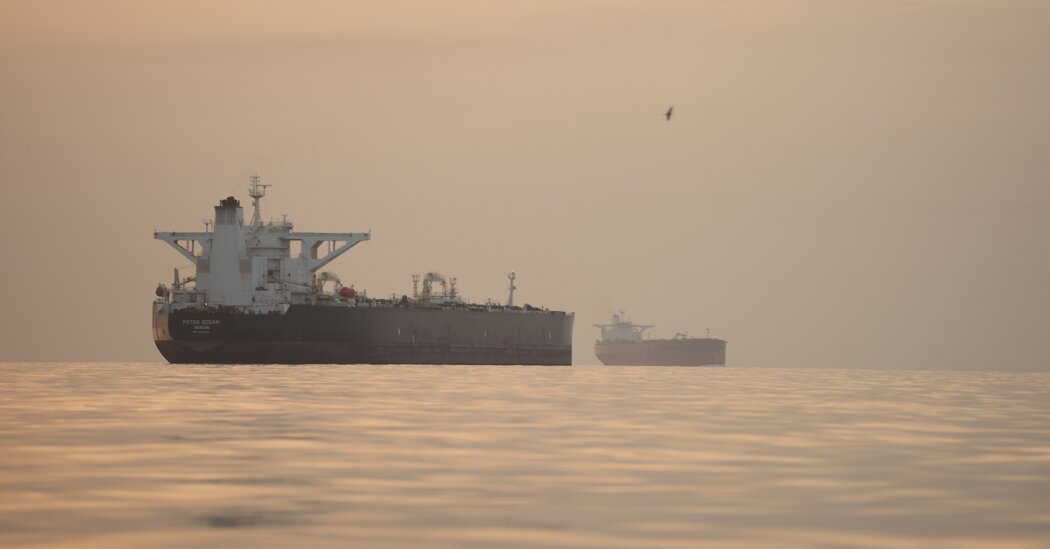
Two ships hit amid Strait of Hormuz blockade and reopening confusion
- Situation: The IRGC declared a blockade of the Strait of Hormuz until U.S. maritime sanctions were lifted, resulting in two ships being hit while attempting to pass. Iranian Foreign Minister Abbas Araghchi later announced the strait would reopen following the Lebanon ceasefire, though conflicting statements have left the timeline for normalized shipping uncertain. As of Friday (April 18), some vessels were still seen turning back after attempting to transit.
- Background: The U.S. began a maritime blockade of Iranian ports after weekend talks ended without a deal, with disagreements over ending Iran's nuclear activities being the primary sticking point.
- Impact: As a critical global energy artery, the status of the Strait of Hormuz directly affects global oil prices and shipping markets, serving as a key variable for ongoing peace talks.
U.S. and Iran finalizing 60-day negotiation MOU with Pakistan's mediation
- Situation: According to three high-ranking Iranian officials familiar with the negotiations, the U.S. and Iran are finalizing a three-page MOU outlining a comprehensive framework for peace. This document specifies a 60-day period for continued talks, with potential for President Trump to visit Islamabad, Pakistan, to sign the agreement. The LA Times reported that the outline of a deal, including major concessions to Iran, is beginning to emerge.
- Background: Pakistan has taken on the role of primary mediator, with civilian and military leaders engaged in shuttle diplomacy between the two capitals. Previous negotiations stalled over deep divides, such as the U.S. demanding a 20-year freeze on nuclear activity versus Iran’s proposal of 5 years.
- Impact: While the 60-day window averts an immediate return to all-out war, failure to bridge the gap on the scope and duration of nuclear activities could cause the talks to collapse again.

Trump orders Israel to stop further strikes on Lebanon
- Situation: According to the Reuters Iran news page, President Trump ordered Israel to cease further bombing of Lebanon, using the unusually firm expression "Enough is enough." Trump emphasized that the deal with Iran is a separate issue from the Lebanon conflict. The Lebanon-Israel ceasefire went into effect on April 16 at 5:00 PM (Eastern Time), and CTP-ISW reported no further Hezbollah attacks since the truce began.
- Background: The ISW's April 17 special report confirmed that Hezbollah's offensive activities ceased following the implementation of the Lebanon truce.
- Impact: Trump’s rare and strong restraint on his Israeli ally is being interpreted as a strategic move to create space for negotiations with Iran, serving as a significant signal in the current dialogue phase.
Diplomatic & Sanctions Trends
-
Narrowing the scope of U.S.-Iran nuclear talks: According to Reuters, U.S. and Iranian negotiators have shifted their target from a comprehensive peace treaty to an interim MOU aimed at preventing further escalation. Two Iranian sources stated that while mediation by Pakistan is narrowing differences, the rift regarding nuclear activities remains.
-
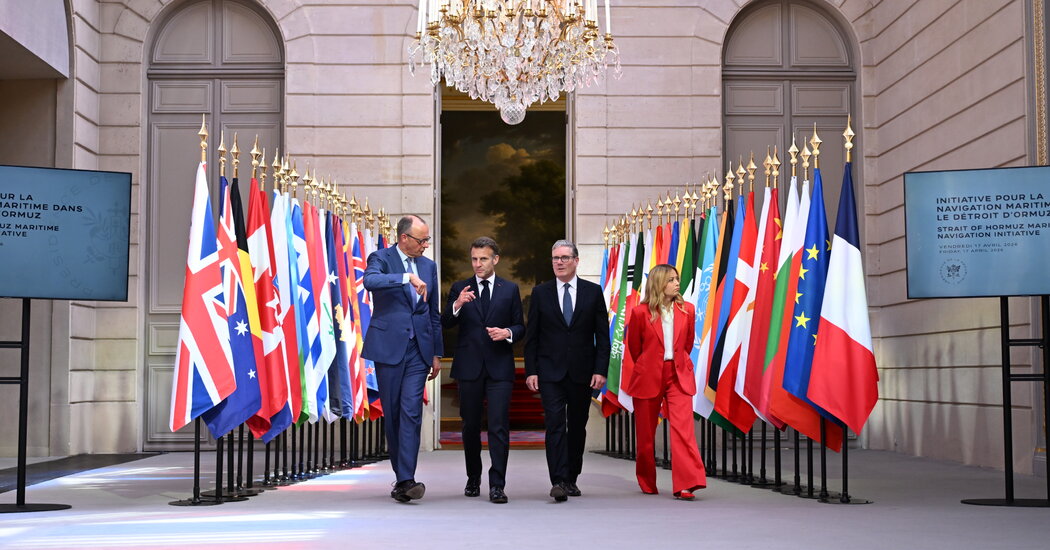
Europe discusses international escort mission for the Strait of Hormuz: Amidst mixed reports on the status of the Strait of Hormuz, the New York Times reported that European leaders held a meeting on April 17 to coordinate an international mission to escort shipping. However, European officials stated that concrete plans remain unclear.
Regional Impact
-
Lebanon/Hezbollah: Hezbollah, the Iranian-backed militia, acknowledged the Lebanon-Israel temporary ceasefire (effective April 16) but did not officially guarantee compliance. The ISW confirmed no Hezbollah attacks have been reported since the truce began. With President Trump explicitly banning further Israeli strikes in Lebanon, the 10-day ceasefire is currently holding.
-
Bahrain, Indonesia, and Azerbaijan: According to diplomatic cables obtained by Politico, the Iran war is eroding U.S. international standing across multiple fronts. The U.S. is struggling to counter pro-Iran messaging, with particularly notable fallout in Bahrain, Indonesia, and Azerbaijan.


Expert Analysis
-
CommandEleven Intelligence: "For every $1 billion the U.S. pours into the Iranian front, its 'threat response readiness index' for the two-front Indo-Pacific theater drops by about 0.8%—a shift Moscow views as a direct geopolitical victory." This warns that a war of attrition with Iran could permanently weaken U.S. strategic capabilities in the Indo-Pacific.
-
Politico Analysis: "Trump claims to hold the initiative in negotiations, but in reality, he may have to make significant concessions to reach a deal." Analysts suggest that while the Trump administration is desperate for an early end to the war, a clear exit strategy remains elusive.
-
CSIS: As U.S. and Israeli operations inside Iran continue, CSIS experts are focused on analyzing the military, regional, and geopolitical repercussions of the conflict and its potential impact across the Middle East.
What to Watch
-
Signing of the U.S.-Iran MOU: Keep an eye on whether the three-page draft is formally signed and if President Trump’s visit to Pakistan materializes. An official 60-day negotiation period would mark a new phase in the conflict.
-
Duration of the Lebanon Ceasefire: Whether the 10-day Lebanon-Israel truce holds and if Hezbollah issues a formal commitment to comply will be a key variable for regional stability. The longevity of Trump's "no-strike" order on Israel remains critical.
-
Normalization of Strait of Hormuz shipping: Despite the Iranian Foreign Minister's announcement, the actual timing for the resumption of full shipping remains uncertain. If plans for a European-led international escort mission take shape, the security landscape of the strait could shift.
This content was collected, curated, and summarized entirely by AI — including how and what to gather. It may contain inaccuracies. Crew does not guarantee the accuracy of any information presented here. Always verify facts on your own before acting on them. Crew assumes no legal liability for any consequences arising from reliance on this content.
Powered by
