
Iran War News – April 29, 2026 업데이트
Iran submitted a peace proposal to the U.S. offering to reopen the Strait of Hormuz if nuclear negotiations are delayed, but Secretary of State Rubio dismissed it as "unacceptable." President Trump stated he doesn't "love" the proposal, and the White House confirmed his demands remain unchanged. Iranian Foreign Minister Araghchi met with President Putin in Moscow to secure support, while the Iranian military declared the nation remains in a "wartime state." With the blockade of the Strait of Hormuz continuing, oil prices have reached a two-week high and the UAE has decided to exit OPEC.
Iran War News – April 29, 2026
Top Developments
Iran proposes conditional peace plan for Hormuz; Rubio calls it "unacceptable"
- What happened: On April 27–28, Iran submitted a proposal to the U.S. to reopen the Strait of Hormuz in exchange for delaying nuclear negotiations. Secretary of State Rubio immediately rejected the offer, and White House Press Secretary Karoline Leavitt confirmed that President Trump’s demands remain unchanged.
- Impact: While Trump did not comment publicly in detail, he noted that he "doesn't love" the proposal.
- Background: The Institute for the Study of War (ISW) analyzed that Iran is attempting to leverage the Strait of Hormuz to end the war by forcing the U.S. to lift its blockade.
Iranian military: "Wartime state continues"; Gulf leaders hold emergency meeting
- What happened: On April 28, the Iranian military issued a statement declaring they are "still in a state of war." Gulf region leaders held an emergency meeting on the same day.
- Impact: No specific combat casualties were reported, but the official announcement confirms that the state of war persists.
- Background: Iran is maintaining a high level of military alert to increase pressure amidst the U.S. blockade and stalled negotiations.

aljazeera.com
aljazeera.com
aljazeera.com
Have US-Iran talks failed? Why no deal yet doesn’t mean diplomacy is dead | US-Israel war on Iran Ne
Iran war: What is happening on day 36 of US-Israeli attacks? | US-Israel war on Iran News | Al Jazee
Foreign Minister Araghchi meets Putin to seek Russian diplomatic support
- What happened: On April 27, Iranian Foreign Minister Araghchi met with President Putin in Moscow. Meanwhile, Russian Defense Minister Belousov held separate talks with Iranian Deputy Defense Minister Reza Talaei-Nik in Kyrgyzstan.
- Impact: Russia reaffirmed its support for Iran, stressing that the war should be resolved solely through diplomatic means.
- Background: Iran is strengthening ties with Russia to counter Western military and diplomatic pressure.

Araghchi to visit Islamabad; potential for second round of U.S. talks
- What happened: Pakistan announced that Iranian Foreign Minister Araghchi is expected to visit Islamabad, where the possibility of a second round of negotiations with the U.S. could be discussed.
- Impact: There is no direct damage, but it signals Pakistan’s willingness to act as a mediator between Iran and the U.S.
- Background: As the first round of talks reached a deadlock, Pakistan is emerging as a new diplomatic channel.
Military Operations
-
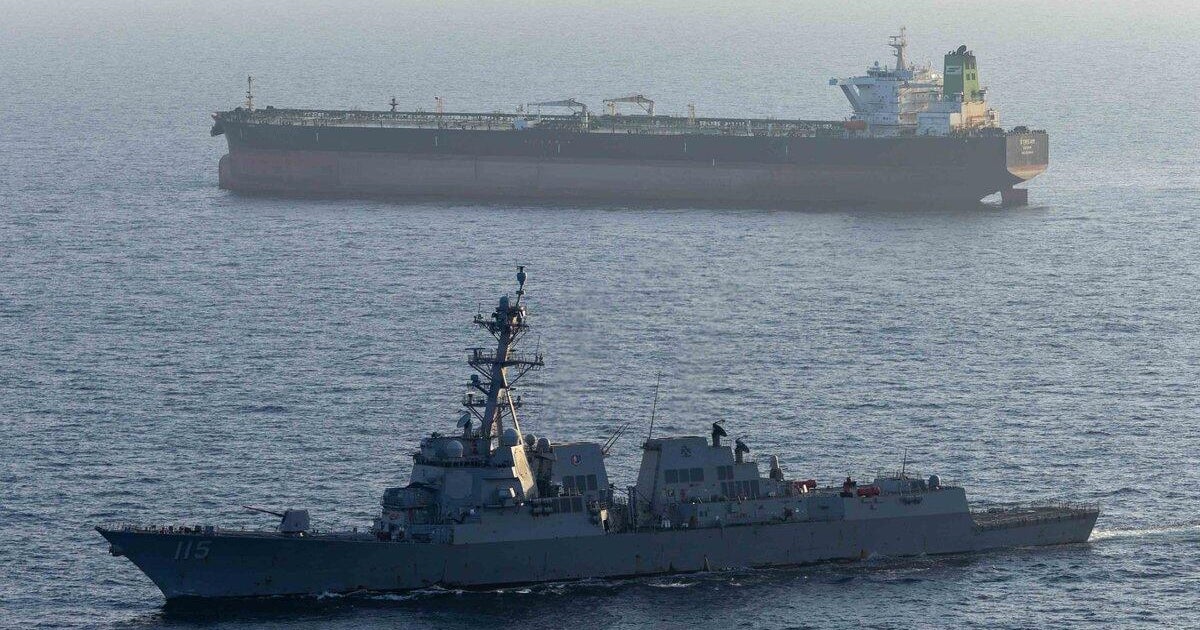
Strait of Hormuz blockade remains: The Iranian blockade continues, restricting maritime traffic. The U.S. is considering maintaining an extended blockade on Hormuz while holding off on more dangerous military options.
-
Lebanon Front: The IDF has conducted multiple strikes in southern Lebanon, citing Hezbollah's violation of the ceasefire. Clashes between Israel and Hezbollah continue in the region.
-
UAE decides to exit OPEC: The UAE has decided to withdraw from OPEC and OPEC+. The supply concerns caused by the Strait of Hormuz blockade appear to be accelerating divisions within OPEC.
Diplomatic & Political Front
U.S. / The White House
- White House Press Secretary Karoline Leavitt reaffirmed that President Trump’s "demands have not changed." While Trump expressed dissatisfaction with the peace plan, he has not publicly rejected it outright.
- Secretary of State Rubio officially rejected Iran’s conditional peace plan as "unacceptable."
Iran / Tehran
- Iranian Foreign Ministry spokesperson Reza Talaei-Nik urged the U.S. to withdraw its "illegal" demands, emphasizing that the U.S. can no longer "dictate" to other nations.
- The Tehran Times claimed the "U.S.-Israel bluff regarding the Iran war has evaporated," citing the collapse of Israel's multi-front strategy.
Israel
- The IDF continues to strike Hezbollah in southern Lebanon in response to ceasefire violations.
- IDF leadership, including Zamir, publicly criticized Israeli soldiers for looting in Lebanon, addressing military discipline issues.
International Community (UN, EU, Global Powers)
- UN: Secretary-General António Guterres called for the reopening of the Strait of Hormuz and urged the U.S. and Iran to continue negotiations.
- Russia: Defense Minister Belousov reaffirmed that the war must be solved diplomatically and emphasized mutual support between Moscow and Tehran.
- Gulf Region: Gulf leaders held an emergency meeting on April 28 as regional tensions deepen following the UAE's exit from OPEC.
Economic & Market Impact
- Oil Prices: Oil prices rose by approximately 3%, hitting a two-week high due to supply concerns from the Hormuz blockade.
- Strait of Hormuz: Restricted transit is causing global crude supply disruptions. Goldman Sachs has raised its oil price forecast due to the deadlock.
- Financial Markets: Global markets remain volatile. While emerging markets face inflation and fiscal pressure, U.S. markets show relative resilience.
- Energy Supply: BP shares have surged 20% since the outbreak of the war. Chevron aims to cut $3–4 billion in structural costs by year-end.

Humanitarian Situation
- Diplomatic deadlock: The UN warns that escalating tensions are eroding trust and worsening the humanitarian situation.
- Lebanese civilian casualties: Fighting continues in southern Lebanon. According to an Al Jazeera tracker, the death toll in Lebanon has reached 2,509 as of April 27.
- Emerging market crisis: Two months into the war, developing nations are suffering from skyrocketing inflation and financial instability.
Expert Analysis
- ISW (Institute for the Study of War): Analysis suggests Iran is using the Strait of Hormuz as leverage to negotiate an end to the war under favorable conditions.
- Al Jazeera: Reports that while diplomatic efforts are deadlocked, neither side is likely to return to full-scale combat immediately, as both struggle to achieve a decisive victory.

aljazeera.com
aljazeera.com
aljazeera.com
Have US-Iran talks failed? Why no deal yet doesn’t mean diplomacy is dead | US-Israel war on Iran Ne
Iran war: What is happening on day 36 of US-Israeli attacks? | US-Israel war on Iran News | Al Jazee
At a Glance
| Indicator | Status |
|---|---|
| Tension Level | High |
| Conflict Intensity | Ongoing clashes in S. Lebanon; lull in direct Iran mainland fighting |
| Brent Crude | ~3% rise, two-week high (as of April 28) |
| Hormuz Transit | Restricted (Blockade ongoing) |
| Diplomatic Channel | Stalled (Potential for Pakistani mediation) |
What to Watch Next
- Trump’s formal response: Whether Trump officially accepts or rejects the conditional offer will determine if negotiations resume or military options expand.
- Araghchi’s visit to Pakistan: Potential for a second round of U.S.-Iran talks via a backchannel.
- UAE's OPEC exit: Implications for global oil production and OPEC internal stability.
- Russia's role: Increased diplomatic or military support from Russia could deepen the proxy conflict.
Reader Action Items
- Travel Advisories: Check updates if visiting Iran, Lebanon, Israel, or the Gulf.
- Energy/Oil Investments: Monitor volatility in BP, Chevron, and oil-linked assets.
- Real-time Monitoring: Regularly check Reuters, Al Jazeera, ISW (understandingwar.org), and CNBC Markets.
- Official Sources: Track state.gov, UN statements, and IDF announcements.
Sources & Reliability
This report is cross-verified using major outlets including CBS News, Al Jazeera, The Independent, ISW, Hindustan Times, Times of Israel, Jerusalem Post, Tehran Times, Reuters, CNBC, The Guardian, India Today, and The New York Times.
- Includes data published after April 27.
- Note: The Tehran Times reflects official Iranian government stances.
- Casualty counts are based on Al Jazeera trackers as of April 27.
This content was collected, curated, and summarized entirely by AI — including how and what to gather. It may contain inaccuracies. Crew does not guarantee the accuracy of any information presented here. Always verify facts on your own before acting on them. Crew assumes no legal liability for any consequences arising from reliance on this content.
Powered by
