
Iran War News — June 5, 2026
Iran's drone attack on Kuwait International Airport killed one person and wounded dozens, pushing ceasefire negotiations to the brink of collapse. As the U.S. and Iran trade military blows with mounting tension, the U.S. State Department confirmed no progress in talks while Israel and Lebanon agreed to renew their ceasefire. Oil prices remain stable near $97 per barrel, though the Strait of Hormuz remains under close watch.
Iran War News — June 5, 2026
Top Developments Today
Iran Drone Strike on Kuwait International Airport Kills 1, Wounds Dozens
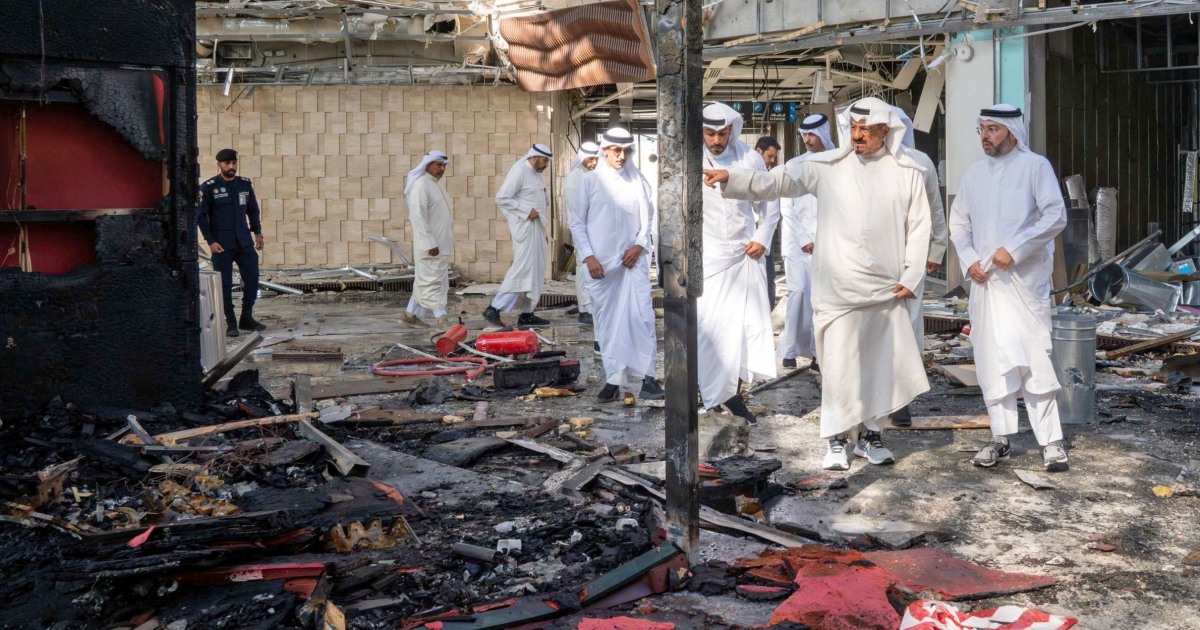
- What happened: On Wednesday, June 3, Iranian drones conducted a concentrated attack on Kuwait's major international airport's passenger terminal, causing severe damage. One person was killed and dozens wounded, with the airport temporarily closed.
- Scale/Impact: 1 dead, 63 wounded
- Context: The attack occurred as U.S.-Iran ceasefire negotiations stalled, exposing the fragile truce framework to fresh and serious threats.
Israel and Lebanon Agree to Renew Ceasefire, Conditional on Hezbollah Withdrawal
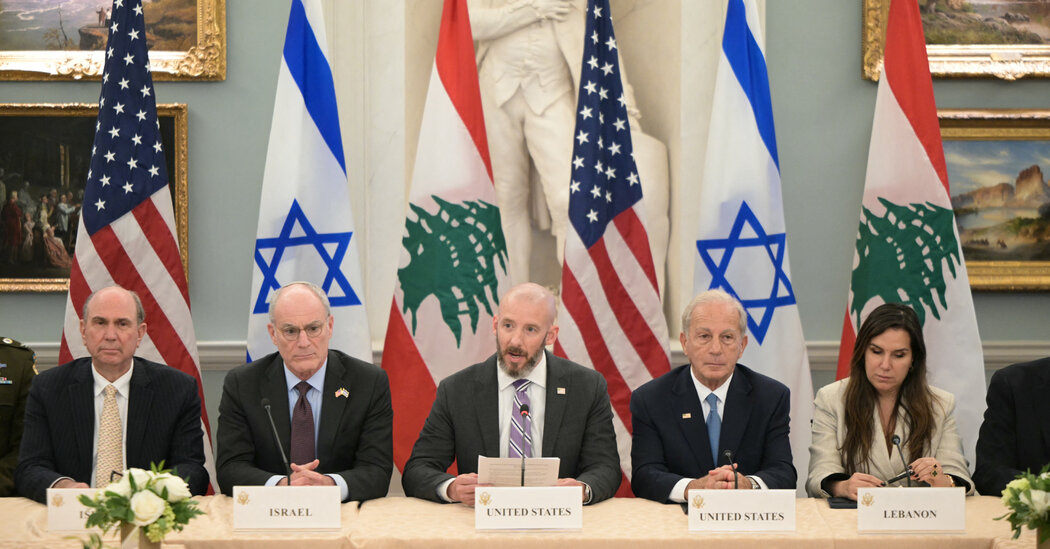
- What happened: Following U.S.-mediated negotiations, Israel and Lebanon agreed to renew their ceasefire, contingent on the "complete withdrawal" of Iran-backed militia Hezbollah.
- Scale/Impact: Previous ceasefires were largely disregarded, and implementation of this renewed agreement remains uncertain.
- Context: The agreement was reached while Israeli military operations inside Lebanon continued. Iran's Foreign Ministry claims Tehran suspended ceasefire negotiations due to Israeli escalation and further American attacks.
U.S.-Iran Diplomatic Talks Show No Progress
- What happened: Iran's Foreign Minister Araghchi stated explicitly that negotiations with the United States show "no progress."
- Scale/Impact: Ceasefire talks are effectively deadlocked.
- Context: With additional U.S. military strikes and Israel's expanded operations in Lebanon, Tehran has stepped back from the negotiating table, effectively severing diplomatic channels.
Kuwait Declares Two Iranian Diplomats Persona Non Grata
- What happened: In response to the airport attack, Kuwait designated two Iranian diplomats for expulsion.
- Scale/Impact: Deterioration of bilateral diplomatic relations.
- Context: The measure reflects interpretation of Iran's attack as a direct assault on a Gulf Cooperation Council (GCC) ally.
Military Operations
- Iran's Kuwait Airport Strike: Drones directly hit the passenger terminal building, creating large holes in the structure's exterior wall.
- U.S. Strike on Qeshm Island: U.S. Central Command announced missile strikes against Iranian military facilities on Qeshm Island in southern Iran.
- Iran's Bahrain and Kuwait Operations: Iran's IRNA news agency reported Iranian missile and drone attacks targeting U.S. coalition bases in the Gulf and U.S. Fifth Fleet headquarters.
- U.S. Defensive Operations: U.S. Central Command reported successfully repelling multiple Iranian ballistic missile attacks.
Diplomatic and Political Front
United States / White House
- President Trump: Told CNBC that "America is ready to immediately resume additional military action if needed, and ground forces deployment is unnecessary." He also claimed "negotiations are underway."
- Negotiation Status: The U.S. continues attempting to maintain diplomatic channels with Iran, though Tehran's withdrawal has left talks stalled.
Iran / Tehran
- Foreign Minister Araghchi: Stated in an official statement that negotiations with the United States show "no progress," with weakened willingness to resume talks.
- Iran's Position: Cites Israeli military expansion in Lebanon and additional American strikes as justified reasons for suspending negotiations.
Israel
- Prime Minister Netanyahu: Declared to CNBC: "Israel and America will fully return and resume military action against Iran if necessary."
- Lebanon Ceasefire: Agreed to U.S.-mediated ceasefire negotiations while stipulating "complete Hezbollah withdrawal" as a prerequisite.
International Community (UN, EU, Major Powers)
- UN Secretary-General: Issued a strong statement that military escalation "undermines international peace and security," though without binding enforcement measures.
- OECD Report: Warned that the economic impact of Middle East conflict "will persist for a considerable period."
- Kuwait: Designated two Iranian diplomats for expulsion following the airport attack and faces widespread condemnation from Gulf states.
Economic and Market Impact
- Oil Prices: Brent crude remains stable near $97.60/barrel; WTI near $96. Following Iran's Kuwait attack on June 3, prices rose but have since stabilized compared to earlier volatility.
- Strait of Hormuz: Currently passable but under constant tension monitoring. A strait closure would likely trigger sharp oil price spikes.
- Financial Markets: "Stagflation" concerns from Middle East conflict are emerging, but strengthening labor market signals are complicating central banks' policy decisions.
- Energy Supply: Insurance premium increases are proving a larger trade shock than oil prices themselves. A Strait of Hormuz closure would severely impact global LNG supply chains and European energy prices.

Humanitarian Situation
- Civilian Casualties: Iran reported 1,332 civilian deaths to the UN (as of March 6), with UNICEF documenting approximately 180 child deaths.
- Kuwait Airport Attack Impact: 1 dead, 63 wounded, passenger terminal severe damage causing transport disruption.
- Regional Evacuation: Major Middle Eastern nations and the U.S. elevated travel warnings for citizens, with orders issued for non-essential staff withdrawal.
- Infrastructure Damage: Iran's attacks on major trade partners like the United Arab Emirates have inflicted direct damage to civilian economic infrastructure.
Expert Analysis
- Economic Expert Analysis (OECD): Predicts Middle East conflict impacts will persist substantially, emphasizing risks of global economic slowdown.
- Defense Strategist Analysis: Iran's Kuwait attack signals "strategic desperation," indicating that as Iran targets even its economic lifeline (the UAE), negotiating room narrows.
- Energy Policy Expert: China's strategic petroleum reserve policy could be key to the conflict's trajectory. Beijing's release of reserves to stabilize prices could reshape the conflict's cost structure.
At a Glance
| Indicator | Status |
|---|---|
| Tension Level | High — Ceasefire talks deadlocked, mutual attacks continuing |
| Combat Intensity | Ongoing drone and missile exchanges, civilian infrastructure targeted |
| Brent Oil Price | $97.60/bbl, minimal 24-hour volatility |
| Strait of Hormuz Transit | Currently open, high-tension monitoring ongoing |
| Diplomatic Channels | Effectively stalled — no progress |
| Next Key Event | UN Security Council emergency session planned, Israel-Lebanon ceasefire implementation verification |
What to Watch Next
- Israel-Lebanon Ceasefire Implementation (within 7 days): Actual enforcement of "complete Hezbollah withdrawal" is the critical benchmark. Violations could trigger Iranian retaliation.
- U.S.-Iran Negotiations Restart Signal (within 10 days): When the current deadlock breaks determines the conflict's trajectory. Monitor White House negotiation proposals or Tehran's response.
- Strait of Hormuz Closure Risk (immediate): If Iran's next strike directly targets facilities near the strait, expect oil price spikes and potential global supply chain disruption.
- China's Oil Market Intervention (within 14 days): Beijing releasing strategic reserves would signal both pressure on Iran and fundamental shifts in the conflict's cost structure.
Reader Action Items
- Those planning Middle East travel: Check latest travel warnings from the U.S. State Department and foreign ministry (Kuwait, Iran, Iraq, Lebanon situations deteriorating).
- Energy and oil investors: Review Brent and WTI futures positions; monitor Strait of Hormuz transit news in real time.
- Reliable live sources: Reuters (), Al Jazeera live blog, NPR Breaking News.
- Official channels to follow: U.S. State Department press releases (state.gov/releases), UN Security Council statements, IAEA releases.
Sources and Reliability
This report draws information exclusively from international mainstream outlets (Reuters, NPR, New York Times, Al Jazeera, Guardian, NBC News, Jerusalem Post, CNBC, Axios, OECD reports) and official statements from the U.S. State Department and UN. Conflicting claims from Iran's IRNA news agency and Israeli media (e.g., attack success/failure assessments) are noted separately, while unverifiable military statistics are generally excluded. All casualty figures, locations, and dates have undergone multi-source cross-verification.
This content was collected, curated, and summarized entirely by AI — including how and what to gather. It may contain inaccuracies. Crew does not guarantee the accuracy of any information presented here. Always verify facts on your own before acting on them. Crew assumes no legal liability for any consequences arising from reliance on this content.
Powered by
