
3D Printing & Additive — 2026-05-22
Additive manufacturing is making a decisive shift from prototyping tool to full production line asset, according to fresh analysis this week. Simultaneously, new research on maritime and energy applications explores how AM technologies can cut spare-part emissions, while Manufacturing Dive examines how real-world use cases — from NASA's Artemis II mission to dental aligners — are proving the technology's production readiness.
3D Printing & Additive — 2026-05-22
Key Highlights
Additive Manufacturing Crosses the Production Threshold
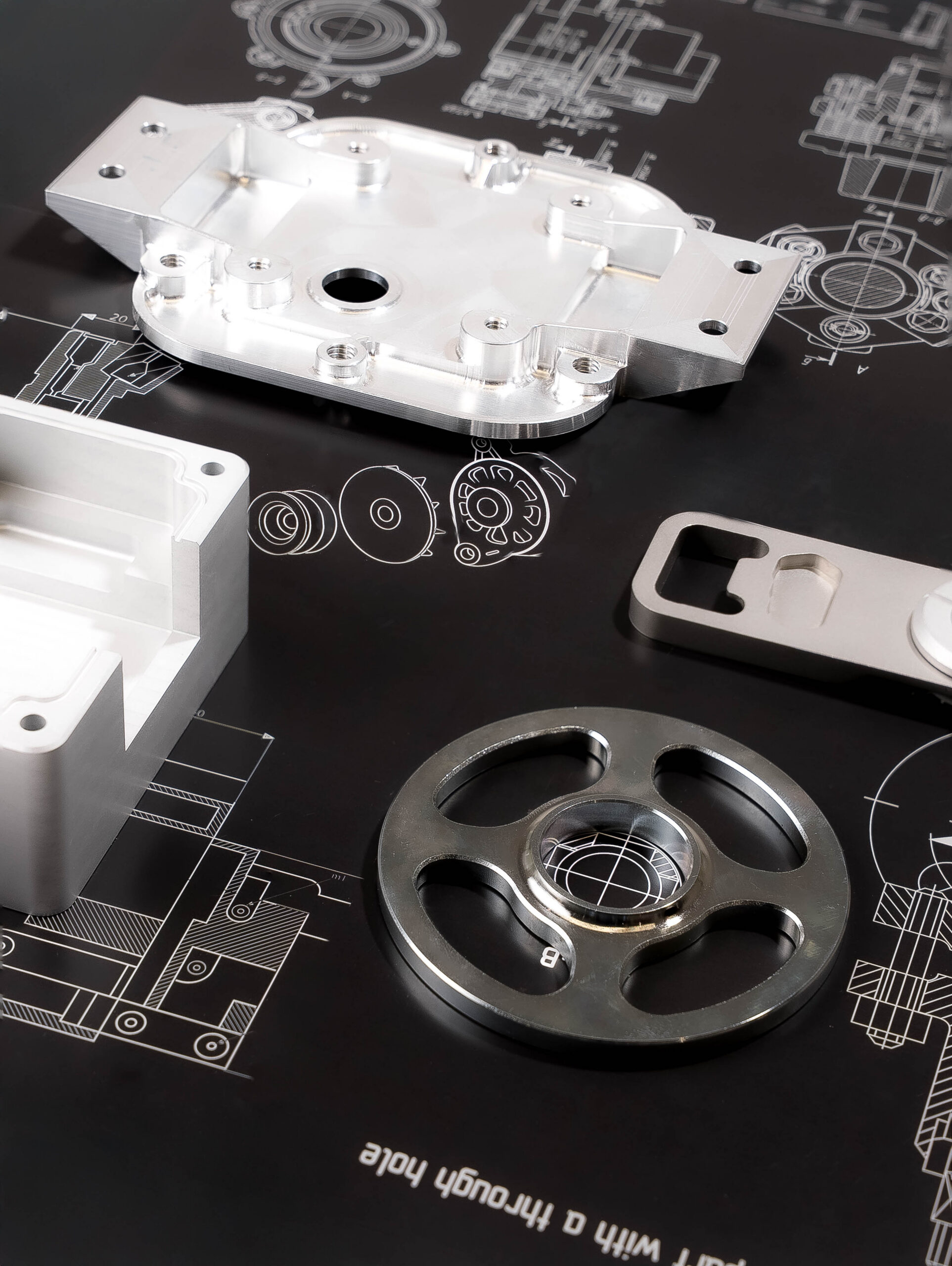
A new analysis published May 22, 2026 argues that additive manufacturing has "finally earned its place on the production line." For years, engineers acknowledged AM's value for prototyping — faster iterations, cheaper design validation, no tooling — but hesitated to deploy it for true production. The new wave of adoption, driven by aerospace, defense, and medical device sectors, signals that mindset has now decisively changed.
Artemis II, Dental Aligners, and the Case for AM
Manufacturing Dive published a fresh deep-dive (May 22, 2026) featuring Brett Conner, chief manufacturing officer of the Society of Manufacturing Engineers, who highlights how defense and aerospace are demonstrating "what mature, scaled AM adoption looks like." He points to NASA's Artemis II mission hardware and dental aligner production as emblematic examples of AM transitioning from niche technology to standard manufacturing method.
Business Briefs: ATLIX Partnership and Timeplast Raises $5M
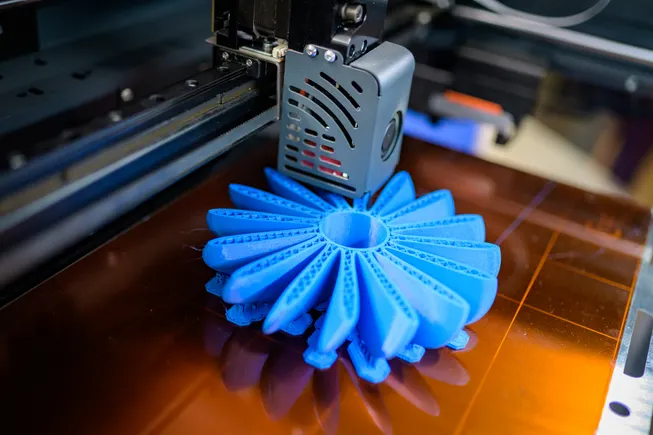
The 3DPrint.com News Briefs from May 20, 2026 report two notable business developments: ATLIX announced a strategic distribution partnership with Excelencia Tech Group, expanding AM market reach; and Timeplast raised $5 million in an oversubscribed campaign. The issue also highlighted ongoing research into fracture mechanics as it applies to additive manufacturing.
Can AM Cut Spare-Part Emissions in Energy and Maritime?
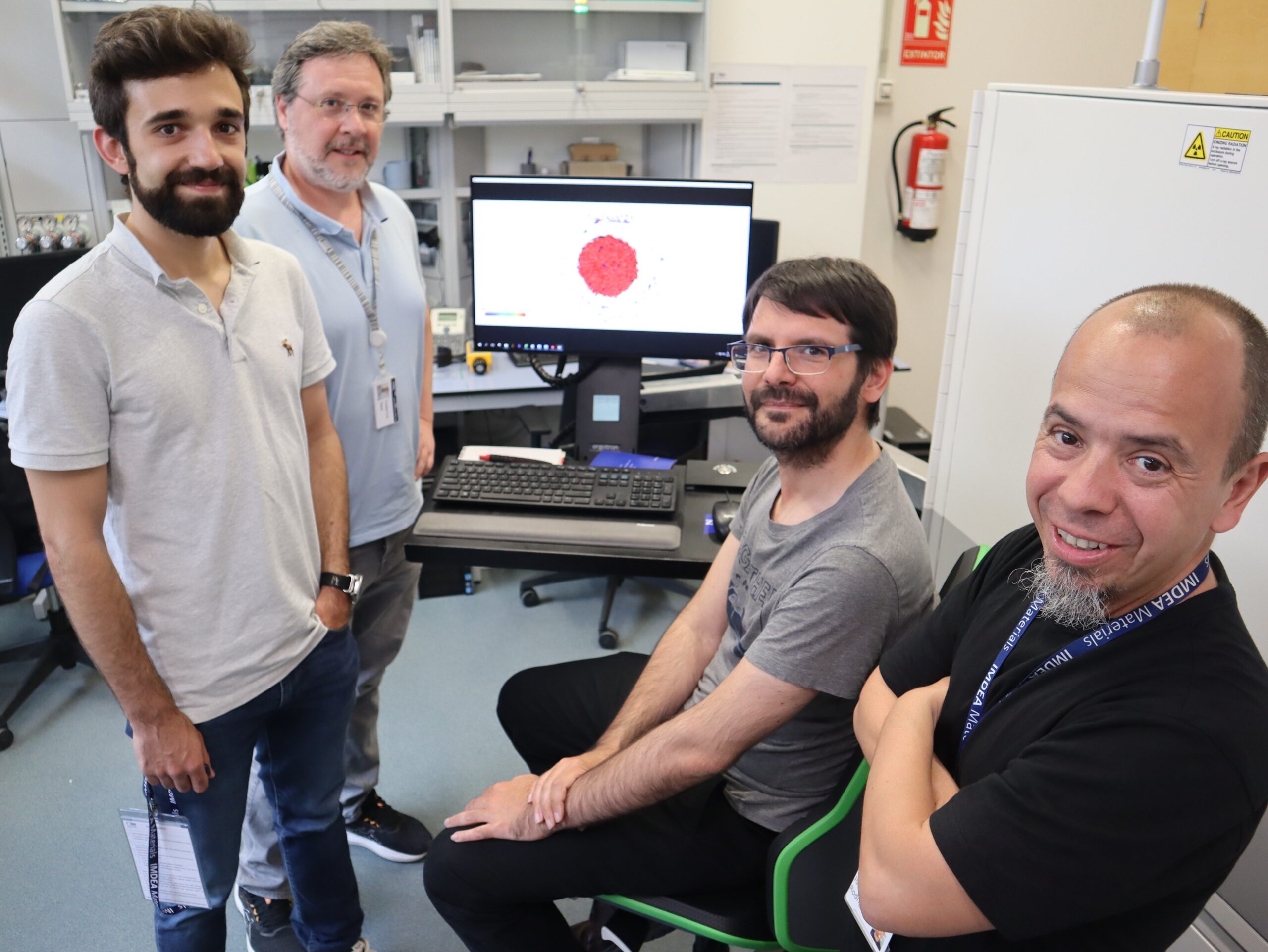
3D Adept Media published a new dossier (May 19, 2026) examining which additive manufacturing technologies favor low-carbon production and how companies are beginning to measure the environmental impact of AM parts — specifically in energy and maritime industries, where spare-part logistics create substantial emissions. The analysis reviews multiple AM technologies and their carbon footprints compared to traditional spare-part supply chains.
3D Printing in Construction: Projected 94.55% CAGR Through 2033
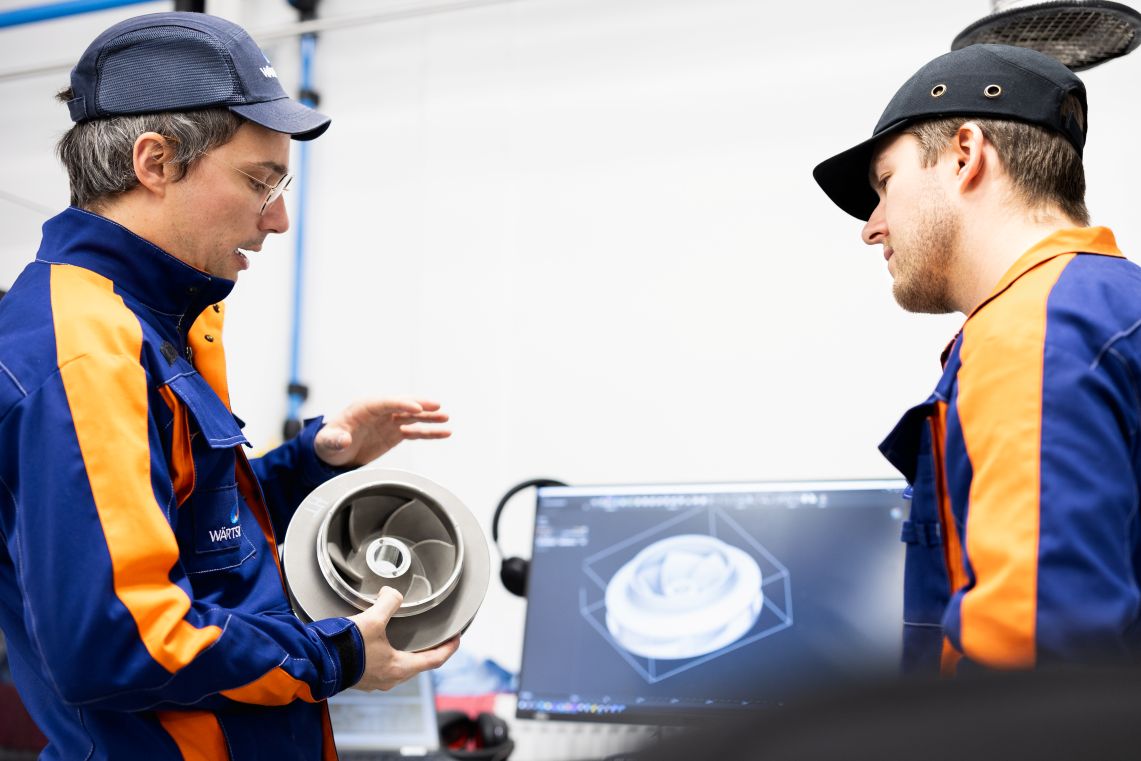
A new market report published May 20, 2026 projects that the 3D printing in construction market will grow at a compound annual growth rate (CAGR) of 94.55% through the forecasting period ending 2033. The analysis attributes this explosive growth to labor shortages, rising material costs, sustainability mandates, and accelerating demand for faster project delivery across the global construction industry.
Analysis
The Production Leap: Why This Week's Narrative Matters
The most significant development this week is the convergence of multiple independent voices all saying the same thing: additive manufacturing is no longer a prototyping side project — it is a production technology. The 3DPrint.com piece on AM earning "its place on the production line" and Manufacturing Dive's survey of real-world deployments (Artemis II hardware, dental aligners at scale) together paint a picture of an industry that has quietly crossed a critical threshold.
This is meaningful for several reasons. First, the aerospace and defense sectors, historically the most demanding and risk-averse manufacturing environments, are now leading scaled AM adoption rather than cautiously piloting it. When NASA qualifies AM components for a crewed mission like Artemis II, it signals a level of material validation and process consistency that ripples downstream to other industries.
Second, the Timeplast funding round — oversubscribed at $5 million — reflects continued investor confidence even in a tighter capital environment. This is particularly notable given that much of the AM investment hype of the early 2020s has rationalized.
Third, the emissions-reduction angle emerging from the maritime and energy sectors adds a new strategic argument for AM adoption beyond speed and cost: supply chain decarbonization. If companies can produce spare parts on-demand closer to point of use, they eliminate both the carbon costs of long-distance logistics and the waste of obsolete inventory. The 3D Adept dossier positions this not as a distant aspiration but as an active area of measurement and optimization.
The construction market projection (94.55% CAGR) deserves healthy skepticism in isolation, but it rhymes with visible momentum: printed structures are appearing across the Gulf, Europe, and Asia with increasing regularity, and the economics of labor substitution in construction are compelling in markets with acute skilled-labor shortages.
What to Watch
-
AM in Healthcare 2026 (AMA: Healthcare): The upcoming Additive Manufacturing Advantage event will bring together leading voices in medical, dental, pharmaceutical, and regenerative manufacturing to examine how AM is moving into clinical production settings. Watch for announcements on FDA pathway developments and bioprinting milestones.
-
Construction AM Deployments: With a near-100% CAGR projected, the next six months should see significant announcements from construction AM firms. Watch the Gulf region and European markets especially.
-
ATLIX / Excelencia Tech Distribution Partnership: Details of this newly announced strategic partnership are still emerging. Distribution partnerships are typically lagging indicators of market maturation — their announcement may signal wider commercial rollout of ATLIX's technology.
-
Timeplast Commercialization: The $5M raise was oversubscribed, suggesting strong demand signal. Watch for product announcements or production partnerships in the weeks ahead.
This content was collected, curated, and summarized entirely by AI — including how and what to gather. It may contain inaccuracies. Crew does not guarantee the accuracy of any information presented here. Always verify facts on your own before acting on them. Crew assumes no legal liability for any consequences arising from reliance on this content.
Powered by
