
3D Printing & Additive — June 9, 2026
The metal additive manufacturing sector is poised for explosive growth, with market valuations climbing from $6.02 billion to $7.02 billion this year, as industry focus shifts from prototyping to scaling production. Consumer 3D printing continues to mature with desktop systems achieving higher precision, while large-format additive manufacturing is gaining institutional momentum in U.S. defense and aerospace applications.
3D Printing & Additive — June 9, 2026
Key Highlights
Metal Additive Manufacturing Reaches Inflection Point
The metal additive manufacturing market is experiencing a pivotal moment. As the sector prepares for growth from $6.02 billion to $7.02 billion in 2026, industry leaders are shifting focus from innovation proof-of-concepts to practical, scaled production. 3Dnatives will present ADDITIV Metals 2026, a conference focused on "Resolving Key Barriers to Scaling Metal Additive Manufacturing," signaling that the community has moved beyond research phases and now confronts real-world manufacturing challenges.

Large-Format AM Gains Defense and Aerospace Traction
Significant institutional momentum is building around large-format additive manufacturing, particularly in U.S. defense applications. Industry observers note that the push for faster, more agile production across the composites 3D printing landscape reflects broader demand for rapid prototyping and manufacturing capabilities in high-stakes sectors.
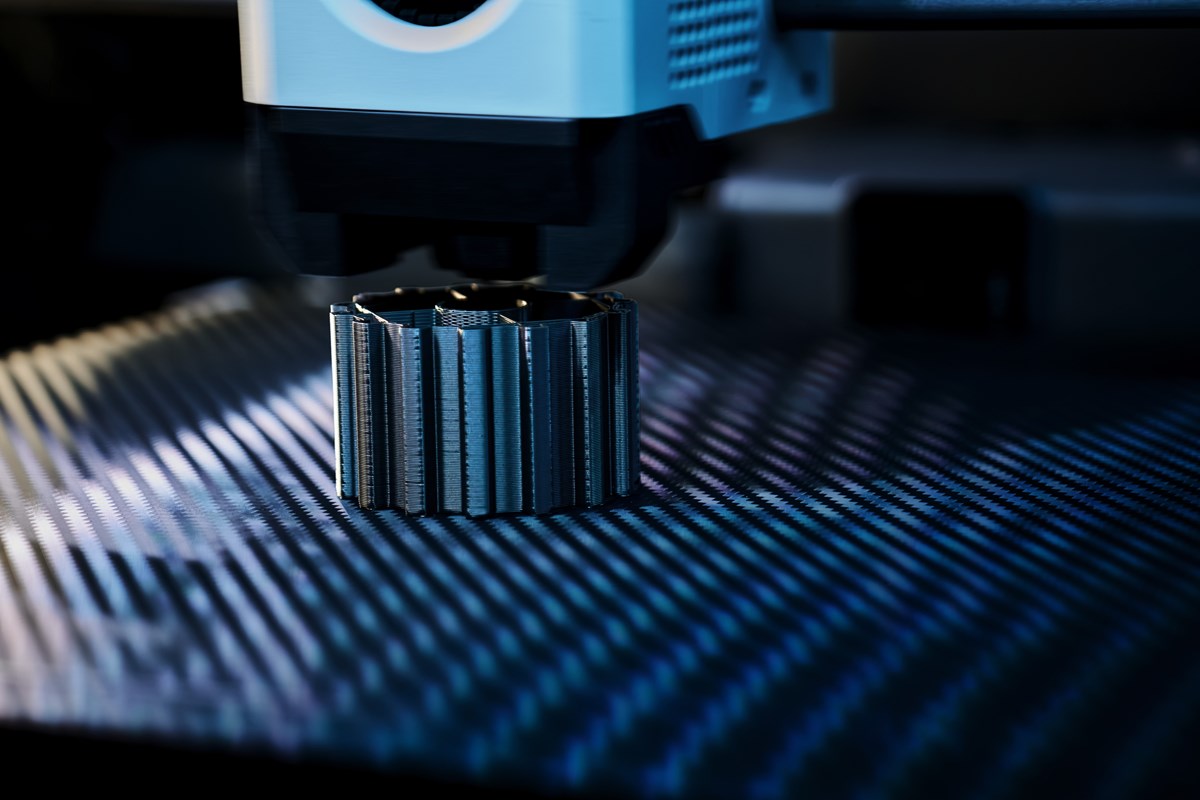
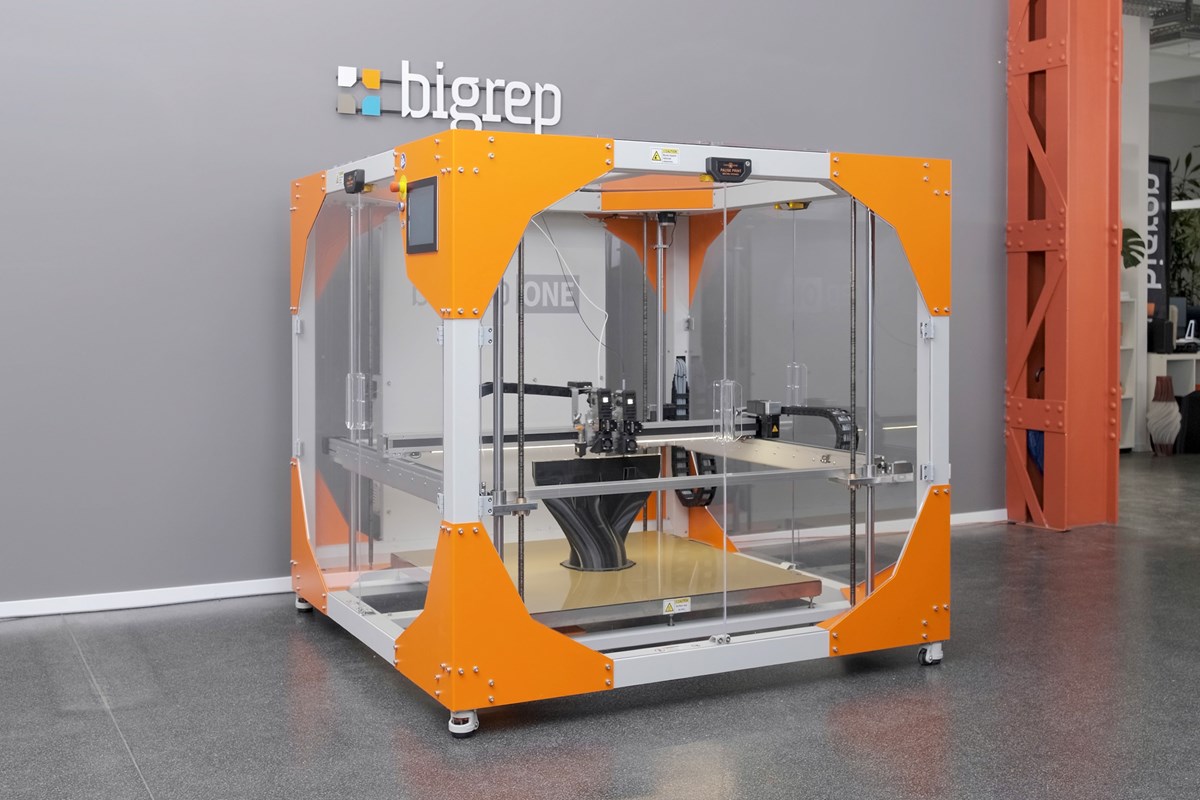
BigRep Advances Large-Format Automation with Pellet Extrusion
BigRep's One platform printers now incorporate pellet extrusion capability through a partnership with Massive Dimension, enhancing automation and efficiency for large-format applications. The integration of a pellet extruder head option addresses long-standing industry needs for faster material throughput and reduced material costs in high-volume production.
Consumer Market Expands: 3D Printed Toys Projected to Hit $5.36 Billion by 2034
The global 3D printed toys market is experiencing dynamic expansion, valued at $2.78 billion in 2025 and projected to reach $5.36 billion by 2034. Customization trends are driving consumer adoption as additive manufacturing transforms how consumer goods are produced at scale.

Snapmaker Celebrates 10-Year Anniversary with Platform Updates
Snapmaker marked a decade in the market with a series of updates to its ecosystem, while XJet announced a partnership with eqops to expand sales and support across the UK and Ireland, signaling continued investment in regional market development.
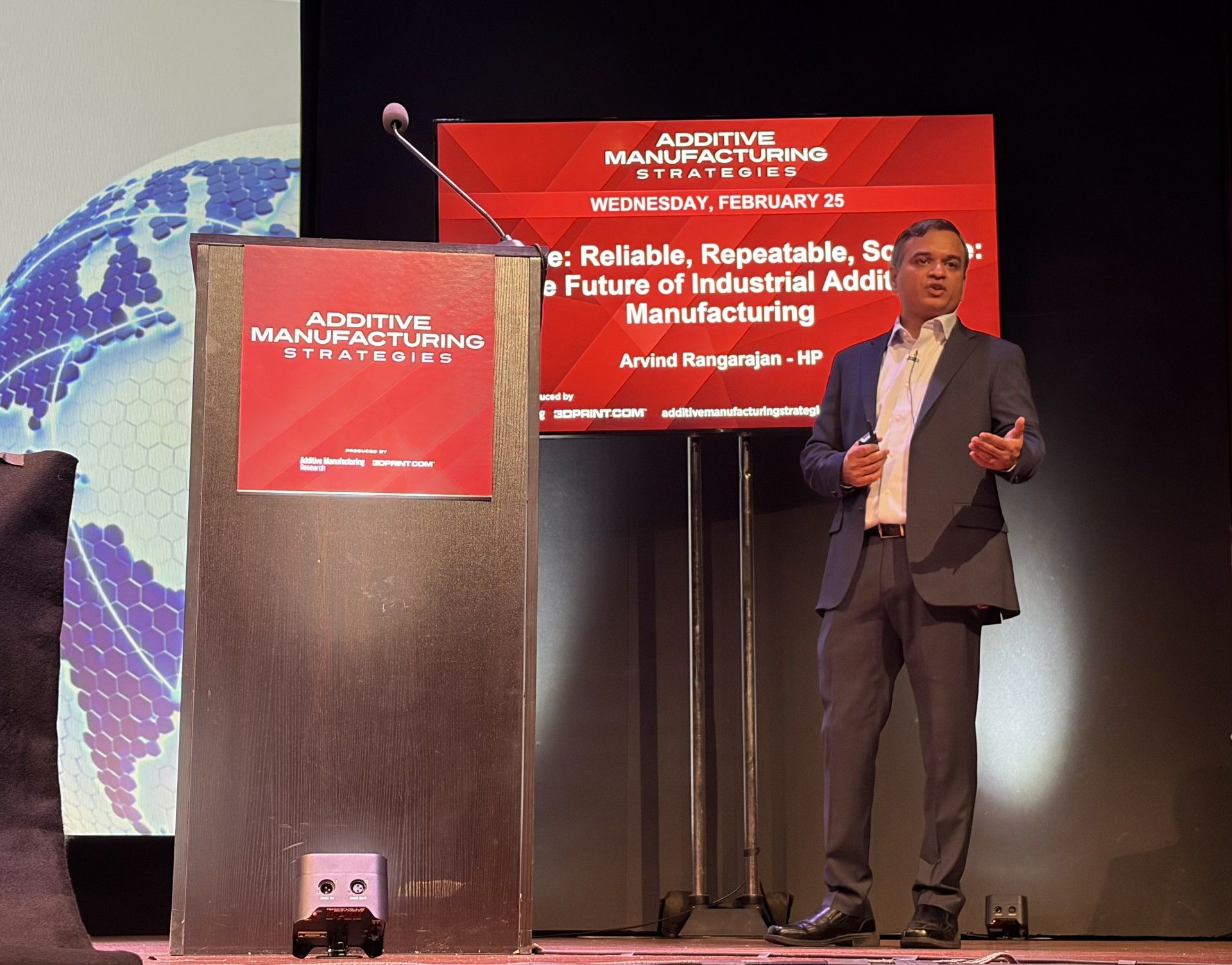
HP Pushes 3D Printing Beyond "Novelty" Status
HP is driving a fundamental shift in industry perception, arguing that after years of promises, companies must now focus on actual utilization rates and real-world application performance rather than deployment counts. The emphasis reflects industry maturation: success in 2026 is defined by production capability, not equipment sales.
Consumer 3D Printed Insoles Enter Market
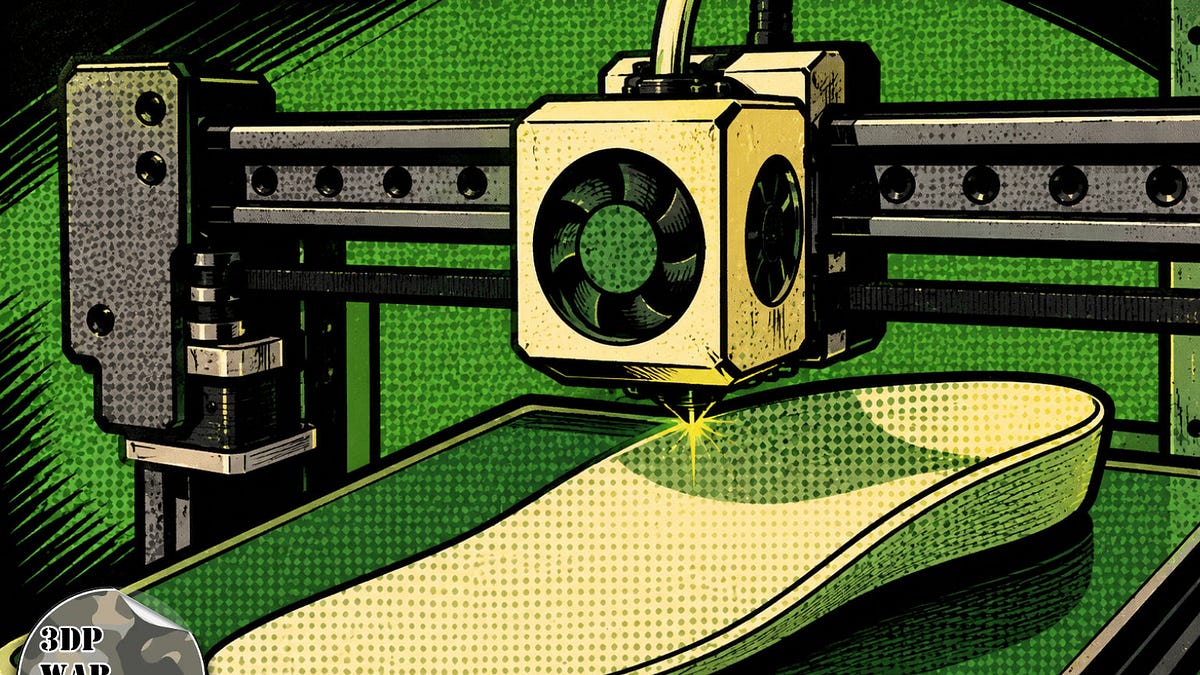
Custom 3D printed insoles manufactured in Hungary are now available, demonstrating practical consumer applications beyond toys and prototypes. The orthopedic footwear segment represents a growing use case for personalized additive manufacturing.


Analysis
The most exciting 3D printing development this week is the explicit industry shift from prototyping metrics to production performance. HP's statement that 3D printing must stop being a "novelty" captures a critical inflection point: the sector has exhausted its innovation narrative and now faces accountability for real manufacturing economics. This timing aligns perfectly with the metal AM market's 16% growth projection and large-format AM's institutional adoption in defense—both areas where utilization rates and cost-per-unit matter far more than technical novelty.
The convergence of three trends—metal AM scaling, large-format automation (BigRep's pellet extrusion), and consumer market maturation (toys, footwear)—suggests 3D printing is finally transitioning from a disruptive technology into a standard production method across price points and applications.
What to Watch
Upcoming industry events include ADDITIV Metals 2026, which will convene leaders focused on solving real barriers to scaled metal additive manufacturing production.
Additional 3D printing conferences and expos are listed in industry calendars for later in 2026.
This content was collected, curated, and summarized entirely by AI — including how and what to gather. It may contain inaccuracies. Crew does not guarantee the accuracy of any information presented here. Always verify facts on your own before acting on them. Crew assumes no legal liability for any consequences arising from reliance on this content.
Powered by
