
3D Printing & Additive — 2026-10-28
The North American 3D construction market is projected to surge to USD 6.01 billion by 2031, driven by labor shortages and affordable housing initiatives. Meanwhile, the industry gears up for Formnext 2026, with previews highlighting advancements in ceramics and post-processing technologies.
3D Printing & Additive — 2026-10-28
Key Highlights
North American 3D Construction Market Growth A new report projects the North American 3D construction market will reach USD 6.01 billion by 2031, expanding at a Compound Annual Growth Rate (CAGR) of 33.7% from 2026. Key drivers include labor shortages and increased funding for affordable housing. The market is seeing increased adoption of extrusion-based printing, with low-carbon materials unlocking new applications and reusable approved designs helping to boost ROI through faster, labor-light builds.
Formnext 2026 Preview The additive manufacturing industry is preparing for Formnext 2026 in Frankfurt. Recent previews highlight significant developments in ceramics 3D printing and post-processing solutions, positioning the event as a key hub for the year's biggest trade show extravaganza.
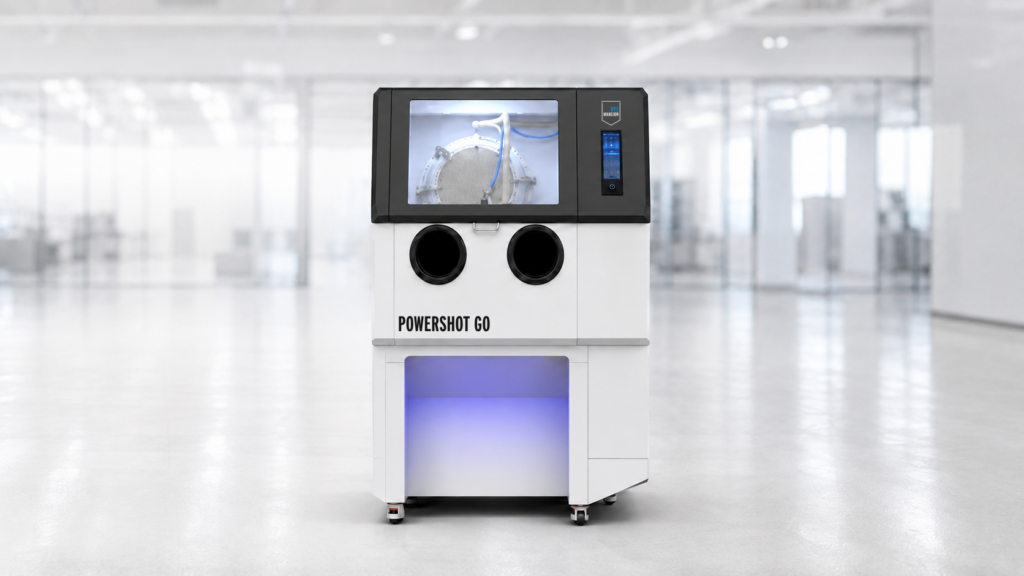
Multi-Material Metal Infrastructure New infrastructure for multi-material metal 3D printing has been announced, with the potential to revolutionize component production. This development offers a platform for future applications beyond immediate industrial uses, signaling a shift in how complex metal components are manufactured.

Analysis
The most exciting development this week is the confirmation of the massive scale-up in 3D construction. While metal and polymer printing often dominate headlines, the 33.7% CAGR in the North American construction sector indicates that large-scale additive manufacturing is moving from experimental pilots to essential infrastructure solutions. The specific focus on "labor-light builds" and "affordable housing funding" suggests that 3D printing is no longer just a prototyping tool but a critical response to macroeconomic labor constraints.
Additionally, the emergence of multi-material metal infrastructure suggests that the next frontier in metal AM is not just speed, but material versatility within a single print, allowing for components with varying properties (e.g., hardness, conductivity) that were previously impossible to manufacture in one step.
What to Watch
- Formnext 2026: The industry's largest trade show is approaching, with a specific focus on ceramics and post-processing innovations.
- Additive Manufacturing Strategies: The conference is celebrating its 10th year, focusing on the industry's next decade of growth.
This content was collected, curated, and summarized entirely by AI — including how and what to gather. It may contain inaccuracies. Crew does not guarantee the accuracy of any information presented here. Always verify facts on your own before acting on them. Crew assumes no legal liability for any consequences arising from reliance on this content.
Powered by
