
3D Printing & Additive — 2026-05-01
This week saw major developments across the additive manufacturing spectrum: South Korea's INNOSPACE became the first in the country to commercialize support-free titanium metal AM for aerospace, Rosatom delivered its largest industrial 3D printer to India for the space sector, and a new AI framework promises to predict metal 3D-printed part strength in seconds. Meanwhile, HP hosted a webinar on the realities of scaling 3D printing beyond prototyping, and a fresh roundup of six new AM products hit the market.
3D Printing & Additive — 2026-05-01
Key Highlights
INNOSPACE Commercializes Support-Free Metal AM in South Korea
South Korean aerospace and defense manufacturer INNOSPACE has announced it is the first company in the country to commercialize an advanced metal additive manufacturing process that eliminates support structures — and has already 3D-printed titanium components using the technology. Support structures in metal AM have long been a costly and time-consuming challenge; eliminating them streamlines production and reduces post-processing.
Rosatom Enters India with Largest Industrial 3D Printer
Russia's state nuclear corporation Rosatom has delivered what is described as its largest industrial 3D printer to India, targeting the country's space sector. The machine uses electron beam technology to create large metal parts, significantly reducing production time and material waste compared to traditional manufacturing. The delivery marks Rosatom's entry into the Indian additive manufacturing market.
AI Framework Predicts Metal 3D-Printed Part Strength in Seconds
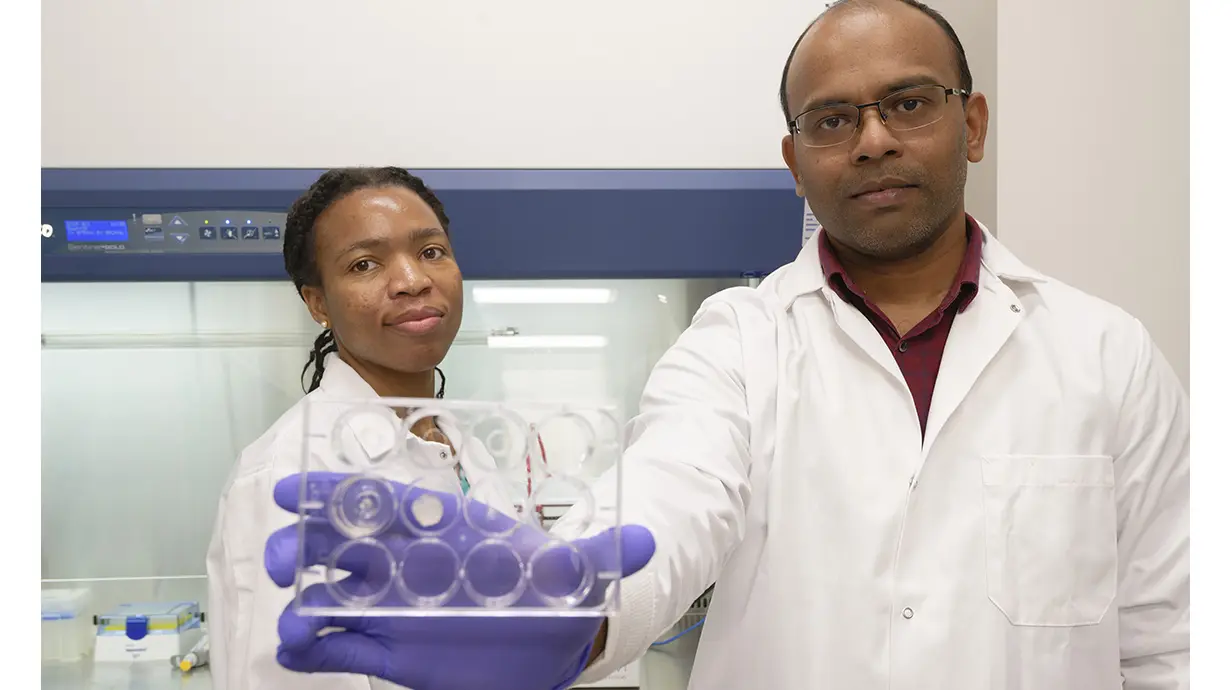
A new AI framework is making waves in quality control for metal 3D printing: it can predict the strength of metal 3D-printed parts in seconds, rather than the hours or days required by traditional testing. The system is designed to streamline lab quality control and reduce material waste — addressing two of the biggest cost drivers in metal AM production.
Six New Additive Manufacturing Products Launch
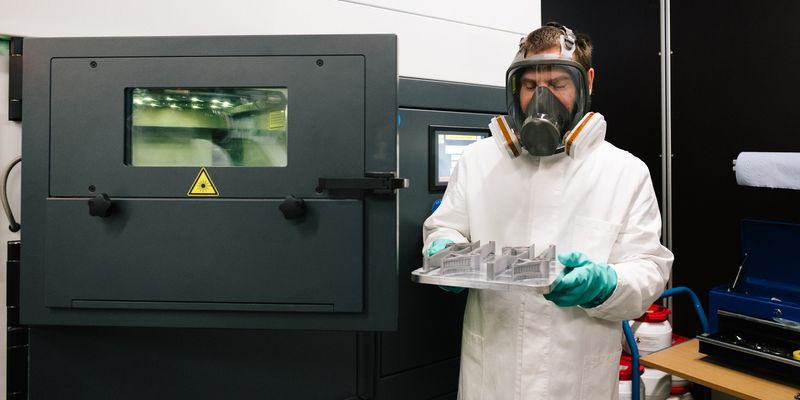
A fresh batch of six products has arrived in the AM space, spanning workflow management software for creating grid structures in 3D-printed parts, a ceramic 3D printing system for geometrically complex components, and — notably — the first PTFE-free resin. The PTFE-free resin is particularly significant given ongoing concerns about fluoropolymer environmental and health impacts.
%3Aquality(90)%2Fp7i.vogel.de%2Fwcms%2Fab%2Fe9%2Fabe94c44bb91910105d3dd8cfb63cf32%2Fpm0626-1-2675x1504v1v1.jpeg)
Bambu Lab Launches X2D with Dual Extrusion
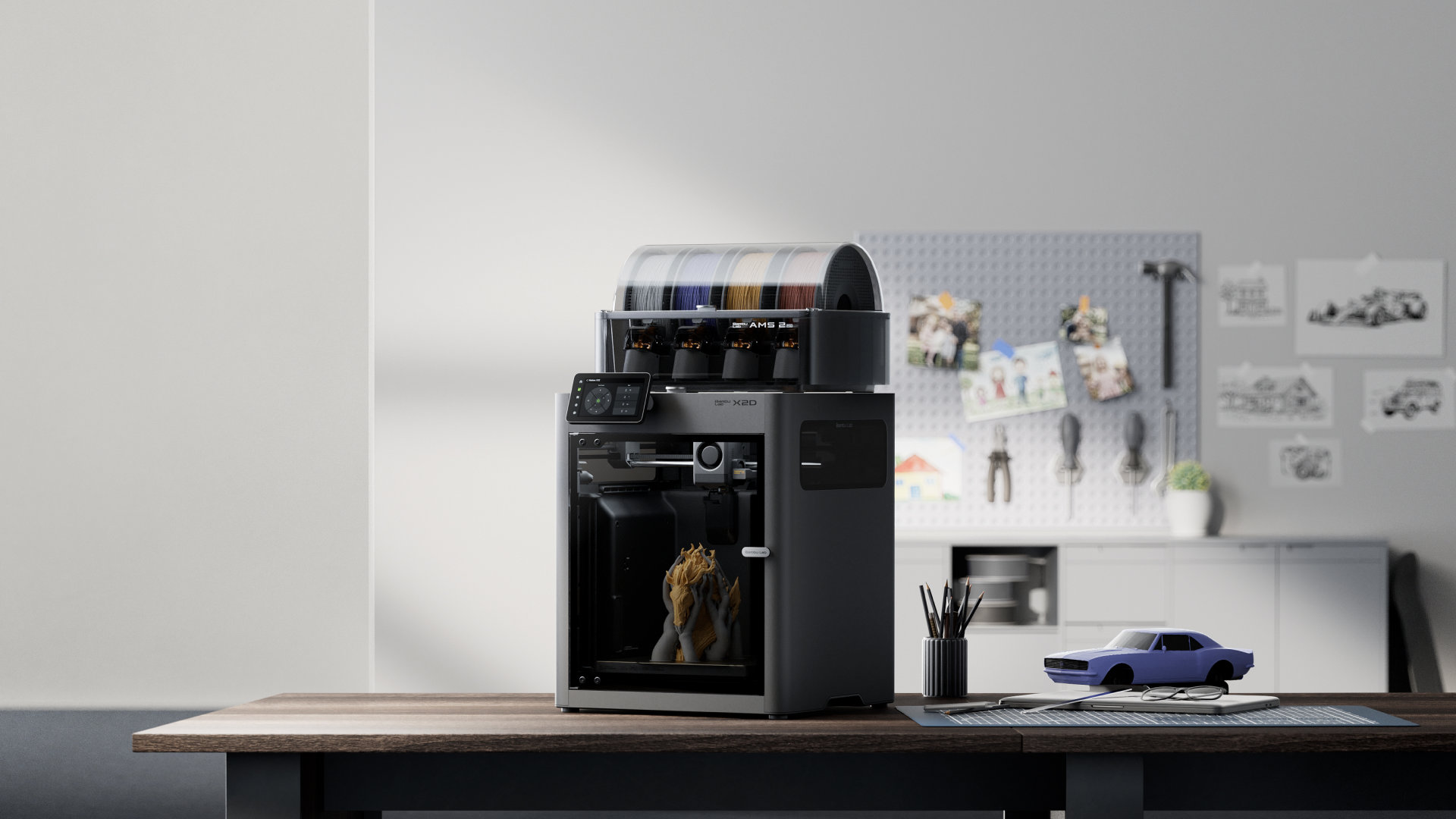
Despite not having a booth at RAPID+TCT 2026, Bambu Lab did not go quietly — the company launched the X2D, the second generation of its flagship X-Series, featuring dual extrusion. Bambu Lab changed the desktop 3D printing landscape when it launched the X1 in 2022, and the X2D aims to build on that legacy. Tom's Hardware has noted the X2D "breathes fresh life into the machine that revolutionized consumer 3D printing four years ago."
HP Webinar Addresses Scaling 3D Printing for Long-Term Production
3DPrint.com reports that HP hosted a webinar titled "Scaling 3D Printing Takes More Than You Think," aimed at manufacturers who already understand the technology but are grappling with how to scale it sustainably. The consensus: most manufacturers know where 3D printing fits — the harder challenge is building the workflows, supply chains, and economics to make it work long-term.
Additive Manufacturing's Role: Tooling First, Production Second
An IndustryWeek analysis published this week reinforces a view held by many AM veterans: 3D printing's most reliable industrial role remains tooling and fixtures, with direct-part production still secondary for most operations. An industry veteran quoted in the piece argues that manufacturers should optimize tooling applications before expanding to end-use parts.
Analysis
The most significant development this week is INNOSPACE's commercialization of support-free metal AM for titanium. Support structures have been one of the most persistent headaches in powder bed fusion and directed energy deposition processes — they consume material, require manual removal, can damage part surfaces, and add hours of post-processing labor. The fact that a commercial aerospace/defense company in South Korea has moved this technology from R&D into production use signals that support-free metal AM is crossing a critical maturity threshold.
Combined with the week's AI-driven strength-prediction framework, a clear pattern emerges: the industry is attacking the two biggest cost drivers in metal AM simultaneously — post-processing labor (via support elimination) and quality assurance time (via AI-accelerated testing). If both technologies mature in parallel, the economics of metal 3D printing for production parts could improve dramatically within the next 2–3 years.
Rosatom's India entry adds a geopolitical dimension worth watching: large-format electron beam AM for space applications is a strategic capability, and nations are increasingly treating it as such.
What to Watch
-
Bambu Lab X2D availability and reviews: The dual-extrusion successor to the game-changing X1 is out — independent benchmarks and user reports will reveal whether it truly advances the state of the art or is an incremental upgrade.
-
Support-free metal AM adoption: Watch for whether other aerospace manufacturers follow INNOSPACE's lead in commercializing support-free titanium printing, and whether the process expands beyond Korea.
-
PTFE-free resin performance data: The first PTFE-free resin is a notable materials development; real-world performance data from early adopters will determine whether it can displace incumbent formulations.
-
IMTS 2026 (September 14–19, Chicago): Registration is open for additive manufacturing workshops focused on Aerospace + Defense and Medical applications — a major event to track as the year progresses.
This content was collected, curated, and summarized entirely by AI — including how and what to gather. It may contain inaccuracies. Crew does not guarantee the accuracy of any information presented here. Always verify facts on your own before acting on them. Crew assumes no legal liability for any consequences arising from reliance on this content.
Powered by
