
3D Printing & Additive — 2026-11-03
Bambu Lab has officially launched its third-generation desktop printer, the H3C, marking a significant step in accessible multi-material manufacturing. Meanwhile, major automakers like Ford and Rivian are expanding their use of additive manufacturing to reduce costs, and service providers like Sculpteo are integrating FDM technology to meet industrial demands. The industry continues to shift toward serial production, driving growth in specialized support materials.
3D Printing & Additive — 2026-11-03
Key Highlights
Bambu Lab H3C Launches with Multi-Material Capabilities Bambu Lab has released its third-generation 3D printer, the H3C, designed to make multi-material manufacturing seamless for desktop users. The machine features nine independent nozzles, quick nozzle changes, and "FlexFeed" technology, allowing for complex material combinations at the touch of a button. Forbes notes that this device transitions 3D printing from hobbyist toys to professional tools, enabling multi-material manufacturing that "just works".
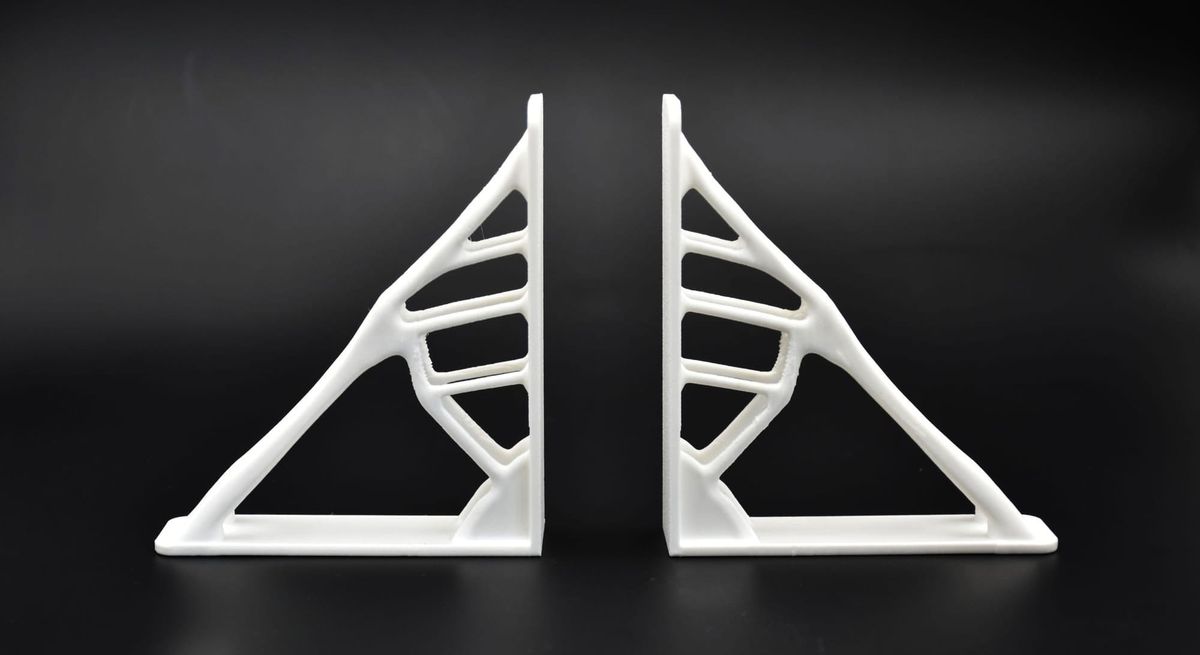
Sculpteo Expands Service Offering with FDM Sculpteo has added Fused Deposition Modeling (FDM) to its additive manufacturing service portfolio. The company states that incorporating FDM technology will allow it to better address specific industrial needs across various sectors by providing a broader range of material and process options for customers.
Analysis
The most significant development this week is the maturation of consumer-grade multi-material hardware. With the Bambu Lab H3C priced at $2,499 and featuring nine print tools, the barrier to entry for complex, multi-material prototyping has dropped significantly. This aligns with broader industry trends where additive manufacturing is moving beyond simple prototyping into serial production.
In the industrial sector, automakers including Ford, Rivian, and GM are increasingly leveraging 3D printing not just for prototypes, but for factory tools and low-volume parts to reduce overall costs. This shift toward serial production is also fueling the market for support materials, which are forecasted to grow through 2035 due to the demand for soluble, high-performance supports required in complex manufacturing workflows.

What to Watch
The industry is preparing for Formnext 2026, the largest trade show in the additive manufacturing sector. Upcoming previews highlight key themes such as ceramics 3D printing and advanced post-processing techniques, which are expected to dominate the conversation in Frankfurt. Additionally, recent news briefs indicate continued activity in hybrid manufacturing and nitinol applications, suggesting a diversification of materials available for industrial use.
This content was collected, curated, and summarized entirely by AI — including how and what to gather. It may contain inaccuracies. Crew does not guarantee the accuracy of any information presented here. Always verify facts on your own before acting on them. Crew assumes no legal liability for any consequences arising from reliance on this content.
Powered by
