
3D Printing & Additive — 2026-09-16
The additive manufacturing sector is seeing significant market expansion projections, with the 3D printing plastics market forecast to reach nearly $10 billion by 2033. Recent industry developments highlight a shift from prototyping to strategic production, driven by new metal desktop solutions and large-scale production workflows showcased at IMTS 2026.
3D Printing & Additive — 2026-09-16
Key Highlights
Market Growth Projections The Global 3D Printing Plastics Market, valued at $2.08 billion in 2025, is projected to reach $9.67 billion by 2033. This growth represents a CAGR of 21.2% during the 2026–2033 forecast period, fueled by the expanding consumption of polymer materials via FDM, SLA, and SLS technologies.
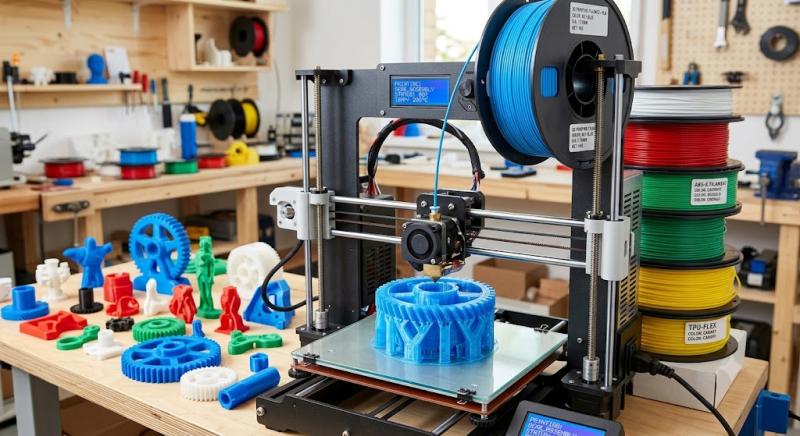
Desktop Metal Accessibility While FDM printing has become highly accessible, true desktop metal 3D printers remain rare. However, new developments suggest that metal 3D printers are finally evolving into practical desktop products, moving beyond the challenge of making them safe and easy for ordinary workbenches.

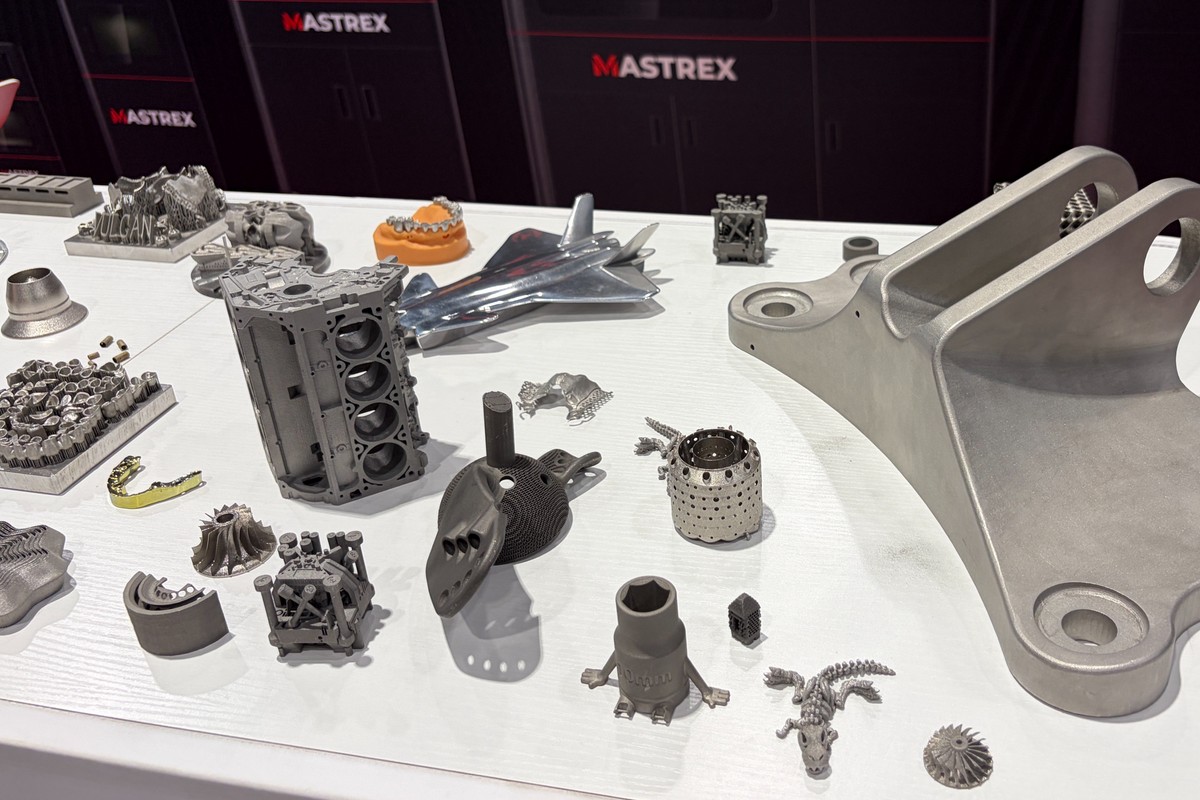
IMTS 2026 Production Workflows At IMTS 2026 (September 14–19), major advancements in closing the loop from preform to finished part were displayed. Key exhibits included new metal platforms from EOS and Mastrex, large-format printing solutions from Phillips Corp., and validated end-to-end workflows from Axtra3D and DN Solutions' AM2CNC, signaling a robust move into production streams.
AI and Digital Twins Siemens highlighted how AI and Digital Twins are redefining additive manufacturing by focusing on speed, scalability, and software-defined manufacturing. This approach emphasizes the integration of digital threads to optimize production efficiency.

Analysis
The most exciting development this week is the tangible shift toward production-ready desktop metal printing. While industrial metal AM has long been established, the emergence of products like the SnowPod indicates that the technology is overcoming safety and usability barriers for smaller workshops. Combined with market data showing polymer AM growing at over 20% annually, the industry is clearly transitioning from a niche prototyping tool to a mainstream production method. The integration of AI-driven digital twins further accelerates this transition by reducing the trial-and-error phase of production planning.
What to Watch
- IMTS 2026 Workshops: The conference continues through September 19, with specific workshops on September 16 focused on additive manufacturing for defense and aerospace end-use parts. These sessions are designed for manufacturers looking to scale production in high-stakes industries.
- Medical AM Standards: With IMTS ongoing, keep an eye on updates regarding FDA guidelines and medical 3D printing applications, as standards continue to mature for custom medical products.
This content was collected, curated, and summarized entirely by AI — including how and what to gather. It may contain inaccuracies. Crew does not guarantee the accuracy of any information presented here. Always verify facts on your own before acting on them. Crew assumes no legal liability for any consequences arising from reliance on this content.
Powered by
