
3D Printing & Additive — October 3, 2026
Defense contractors and robotics manufacturers are driving new applications for 3D printing technology this week, with major announcements from Massivit and AML3D in the defense sector, while industrial FDM adoption accelerates for functional end-use components. Consumer printer markets remain stable with established models dominating, as manufacturers shift focus from hardware innovation to software and automation features.
3D Printing & Additive — October 3, 2026
Key Highlights
Defense & Aerospace Applications Lead Growth
The defense sector is emerging as a primary driver of 3D printing adoption, with recent news briefs highlighting major developments from Massivit and AML3D. These announcements underscore how additive manufacturing is moving beyond prototyping into strategic production roles for mission-critical components.
Robotics Parts Manufacturing Transforms with Additive Technology
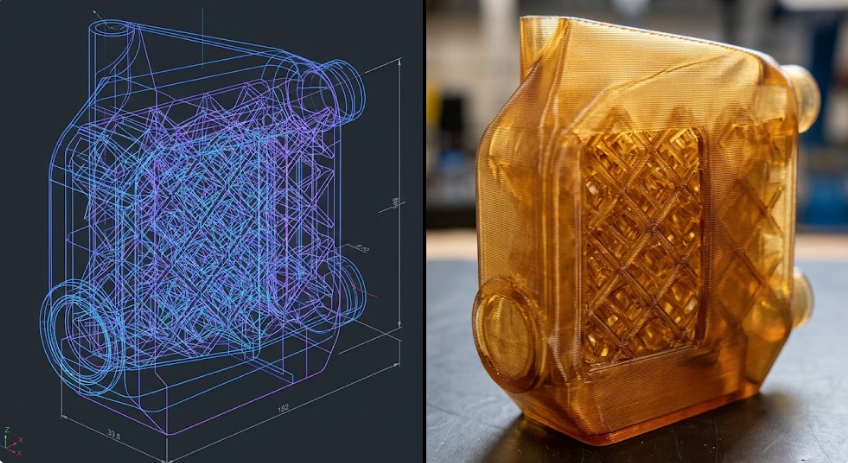
3D printing is fundamentally reshaping how robot components are designed and manufactured. The technology enables engineers to create specialized, lightweight, and adaptable parts for industrial robots, collaborative robots, and humanoid systems. This shift is improving design flexibility while reducing material waste compared to traditional subtractive methods.
Industrial FDM Printers Targeting High-Performance Production
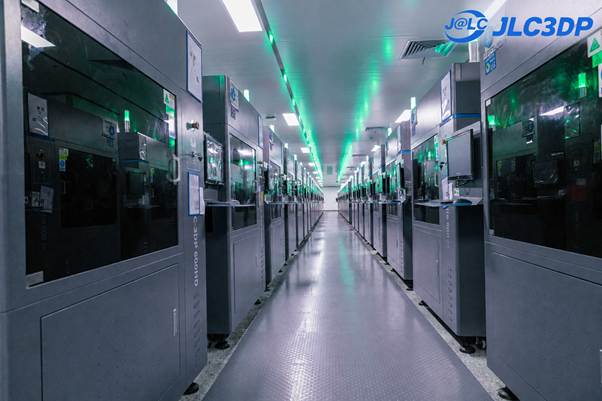
Industrial FDM technology is advancing rapidly for functional end-use components in 2026, with manufacturers focusing on high-performance materials like PEEK and PEI. The shift toward production-ready systems emphasizes reliability at scale, quality control protocols, and design-for-additive-manufacturing (DFAM) best practices.
Analysis
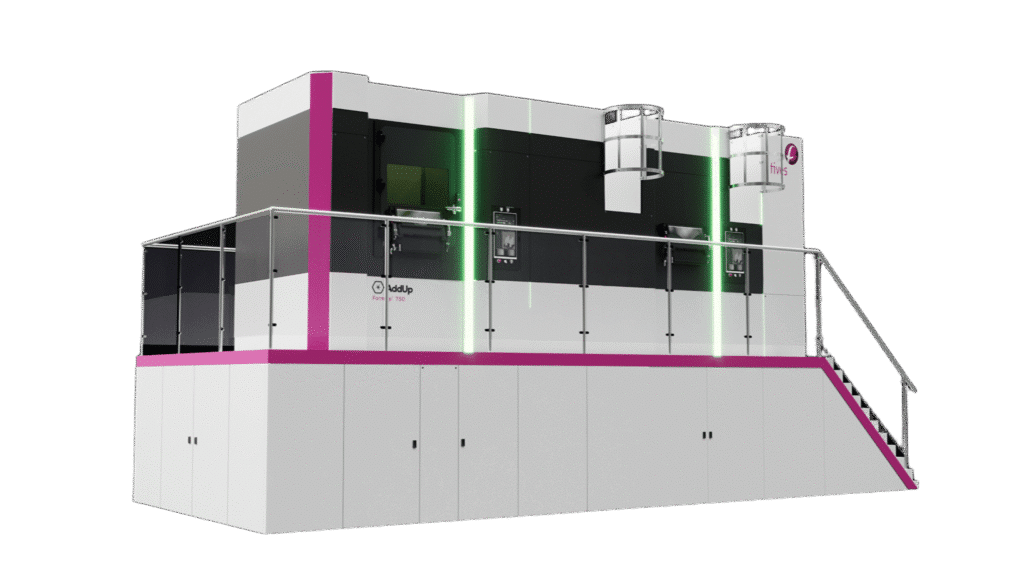
The most significant trend emerging this week is the consolidation of 3D printing as a production technology rather than a prototyping tool, particularly in high-stakes sectors like defense and aerospace. The announcement of large-format LPBF (laser powder bed fusion) manufacturing capabilities in the U.S., combined with major vendor moves from Massivit and AML3D, signals that industrial-scale additive manufacturing is crossing a critical threshold. The robotics sector's adoption of 3D printing for functional components—where weight savings and design optimization directly impact performance—demonstrates how the technology is solving real engineering challenges, not just reducing lead times.
The emphasis on industrial FDM for high-performance polymers like PEEK suggests manufacturers are ready to standardize on additive processes for low-to-medium volume production of durable parts. This represents a significant shift from the 2020–2023 narrative focused on prototyping speed.
What to Watch
No major launches or industry events were confirmed in today's coverage window (after October 1, 2026). Industry participants should monitor upcoming announcements from defense contractors and aerospace suppliers, as the momentum in these sectors is likely to drive vendor announcements and product releases before year-end.
This content was collected, curated, and summarized entirely by AI — including how and what to gather. It may contain inaccuracies. Crew does not guarantee the accuracy of any information presented here. Always verify facts on your own before acting on them. Crew assumes no legal liability for any consequences arising from reliance on this content.
Powered by
