
3D Printing & Additive — 2026-10-19
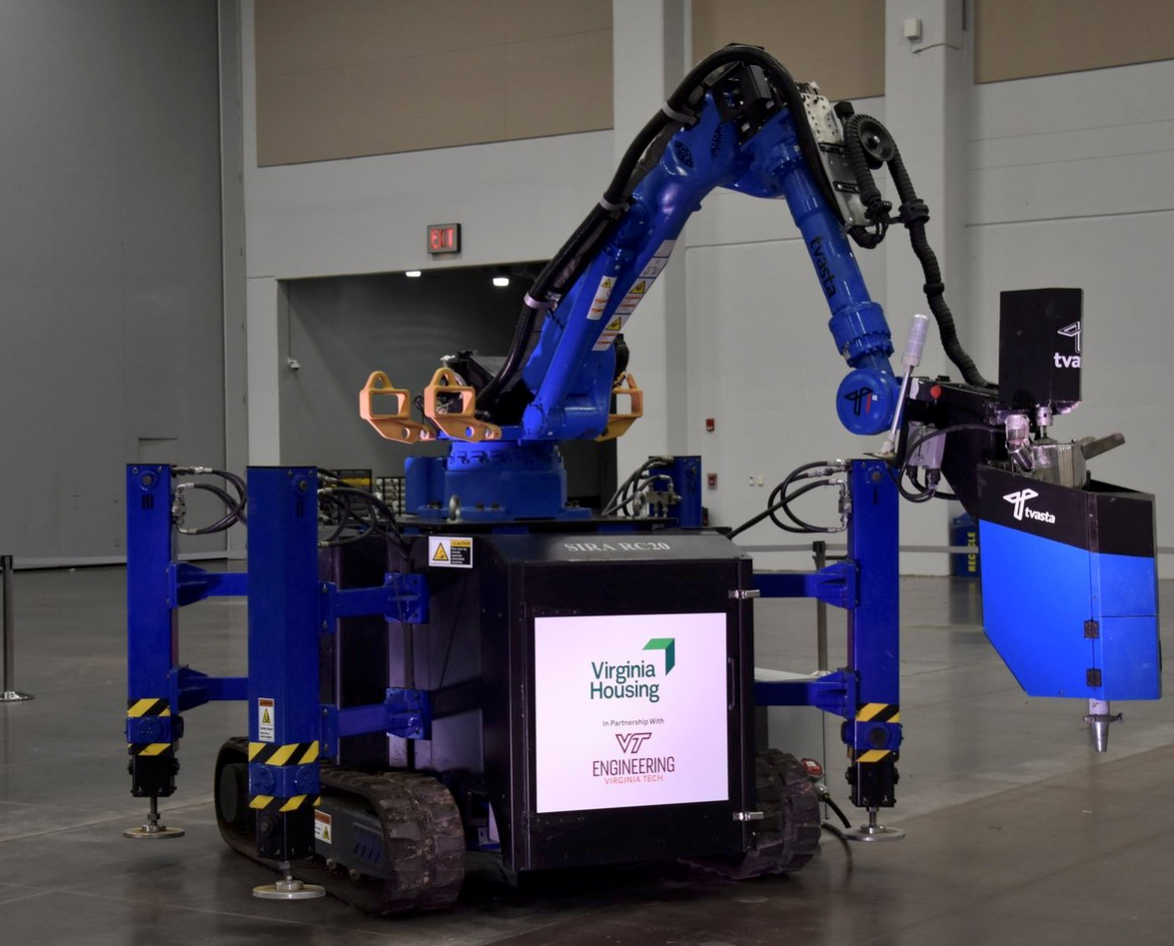
Recent developments in additive manufacturing highlight a convergence of medical applications, software market growth, and quality assurance advancements. Key stories from the past 24 hours include the FDA clearance for a new 3D printed bolus, significant projections for the 3D printing workflow software market, and new briefs on affordable housing and bone implants.
3D Printing & Additive — 2026-10-19
Key Highlights
Medical Additive Manufacturing Advances The weekend's news briefs highlighted significant progress in medical applications. Myrava received FDA 510(k) clearance for its 3D printed bolus, marking a regulatory milestone for radiation therapy accessories produced via additive manufacturing. Additionally, new developments in 3D printed bone implants were featured alongside other applications such as rubber gloves and affordable housing solutions.
Workflow Software Market Growth A new report from QY Research projects that the global 3D Printing Workflow Software market will reach USD 3.14 billion by 2032. The growth is driven by the expanding automation of additive manufacturing processes, necessitating more sophisticated software solutions for managing print jobs and production pipelines.
Quality Assurance in Metal AM Industry briefs from October 17 emphasized the increasing focus on quality assurance in metal additive manufacturing. As metal AM moves toward larger-scale production, robust QA protocols are becoming critical for aerospace and medical applications where part integrity is paramount.
Analysis

The most notable development this week is the regulatory validation of 3D printed medical accessories. The FDA 510(k) clearance for Myrava’s 3D printed bolus signals a maturing regulatory pathway for patient-specific and standardized medical devices manufactured via additive methods. This follows a trend of increasing adoption in healthcare, where AM allows for complex geometries that traditional manufacturing cannot achieve, such as optimized bolus shapes for radiation therapy.
Simultaneously, the projected $3.14 billion valuation for the workflow software market underscores that the industry's bottleneck is shifting from hardware capability to digital thread management. As printer fleets grow and multi-material capabilities expand (as seen with recent consumer and industrial releases), the software layer that orchestrates these machines is becoming as valuable as the hardware itself.
What to Watch
Industry Events and Conferences The industry continues to prepare for major upcoming events, including RAPID + TCT. These showcases remain critical for discovering new solutions in aerospace, defense, and healthcare applications. The focus for upcoming expos is expected to remain on specialized showcases that help buyers source suppliers for specific sectors like medical and defense.
Consumer Hardware Updates While specific new consumer printer releases in the last 24 hours were limited in the search results, the broader market context shows continued dominance by multi-material and high-speed FDM printers like the Bambu Lab X1C and A1 Mini series. Reviewers continue to highlight the shift toward "plug-and-play" automation in consumer hardware.
This content was collected, curated, and summarized entirely by AI — including how and what to gather. It may contain inaccuracies. Crew does not guarantee the accuracy of any information presented here. Always verify facts on your own before acting on them. Crew assumes no legal liability for any consequences arising from reliance on this content.
Powered by
