
Academia & Research Life — 2026-06-21
This week, NSF funding cuts continue to ripple through the research community with far-reaching consequences beyond academia, while a landmark policy shift at the NSF removes the agency's watchdog unit from misconduct investigations—handing responsibility to universities themselves. Meanwhile, academic supervisors' poor management practices are pushing early-career researchers out of the field, raising urgent questions about retention and mentorship culture. <!-- /headline --> Research funding cuts and oversight changes reshape academic landscape <!-- /headline -->
Academia & Research Life — 2026-06-21
This week, NSF funding cuts continue to ripple through the research community with far-reaching consequences beyond academia, while a landmark policy shift at the NSF removes the agency's watchdog unit from misconduct investigations—handing responsibility to universities themselves. Meanwhile, academic supervisors' poor management practices are pushing early-career researchers out of the field, raising urgent questions about retention and mentorship culture.
<!-- /headline -->Research funding cuts and oversight changes reshape academic landscape
<!-- /headline -->Funding & Grants
NSF Budget Cuts Extend Beyond Research Community
The National Science Foundation's reduced grant allocations are creating a cascading impact on research that goes far beyond universities. As funding becomes more scarce, researchers worldwide stand to lose potential breakthroughs that could improve public health and quality of life. The cuts have raised significant concerns among the scientific community about the future of long-term research initiatives and junior researcher development.

NIH Maintains Reduced Continuation Funding at 90% Level
The National Institutes of Health has implemented a FY 2026 interim funding policy consistent with NSF guidance, funding noncompeting continuation research grants at 90 percent of the previous commitment level. Upward adjustments to awarded levels will be considered only after FY 2026 appropriations are enacted, signaling sustained pressure on ongoing research programs.
NIMHD Research Opportunity Webinar Scheduled
The National Institute on Minority Health and Health Disparities will host a public webinar on June 22, 2026, with leadership providing updates on NIMHD's vision for health disparities science and emerging research opportunities. This represents an effort to keep the research community informed about evolving funding priorities amid budgetary constraints.
Research Integrity & Publishing
NSF Watchdog Unit No Longer Investigates Misconduct
In a significant policy shift, the NSF's internal misconduct investigation unit has ceased direct oversight of research fraud allegations, transferring investigative responsibility to individual universities. This move raises concerns about consistency in how misconduct cases are handled and whether institutions with fewer resources will adequately investigate serious violations. The change marks a reduction in federal oversight at a critical moment when research integrity concerns are growing.

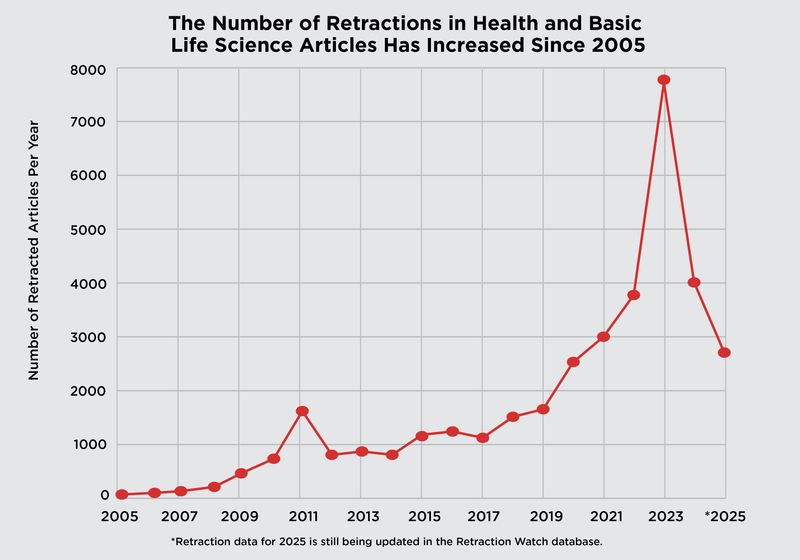
Rising Retractions Point to Systemic Strain in Publishing
Retraction rates continue to climb as a symptom of an overburdened academic system. Data analysis reveals that rising retractions reflect better identification of scientific misconduct alongside structural pressures from publish-or-perish cultures that push researchers toward unethical practices. The Scientist reports that systemic failures in peer review and institutional oversight are allowing flawed research to slip through publication gates.
"Microcheating" by Academics Going Unpunished
A report from an education dean highlights endemic "microcheating"—questionable research practices that fall short of outright fraud—being overlooked by universities. These infractions include selective data reporting, citation manipulation, and other gray-zone violations that are rarely sanctioned while institutional focus remains fixated on student AI use. The pattern suggests growing tolerance for minor integrity violations amid larger compliance efforts.
Academic Life & Careers
Poor Supervision Pushing Young Researchers Out of Academia
A Nature survey reveals that academic supervisors have enormous impact on doctoral students' mental health and career persistence. Poor supervision—characterized by lack of guidance, excessive workload, and inadequate support—is a primary factor driving early-career researchers out of the field. The findings underscore a mentorship crisis in higher education where senior researchers are often unprepared or unwilling to invest in trainee development.

University of Toronto Research Associate Positions Open
The University of Toronto has posted research associate positions (SDL1) with closing dates of June 26, 2026. Both one-year and two-year term appointments are available with salaries ranging from $53,520 to $100,350, offering structured career pathways for early-career researchers in full-time positions. These limited-term roles reflect institutional investment in research staffing despite broader funding constraints.
Analysis: The Bigger Picture
The Collapsing Safety Net: NSF's Misconduct Shift Signals Deeper Problems
The NSF's decision to remove its investigative watchdog unit and transfer misconduct oversight to universities represents a critical failure point for the research integrity system. When federal agencies divest from direct investigation, they fragment accountability—universities with weak compliance infrastructure will inevitably miss violations, repeat offenders will relocate institutions without consequences, and the message to researchers becomes: check your institution's rigor, not federal standards. Combined with rising retractions, "microcheating" going unpunished, and funding cuts forcing researchers into precarious positions, the ecosystem is creating perverse incentives. Researchers facing reduced grant success are more likely to cut ethical corners; supervisors overwhelmed by their own funding pressures become absent mentors; and institutions with fewer resources lack capacity to investigate properly. The result is a two-tiered system where elite universities can afford robust compliance while underfunded institutions cannot, deepening inequality in who faces consequences.
What to Watch Next
- June 26, 2026: Deadline for University of Toronto research associate positions—watch whether these term-limited roles signal broader institutional hiring patterns amid budget pressures
- NIMHD webinar (June 22, 2026): Emerging health disparities funding opportunities may indicate where NIH is concentrating resources post-cuts
- Upcoming congressional scrutiny: Expect pressure on NSF policy shift regarding misconduct oversight as research integrity advocacy groups mobilize response
This content was collected, curated, and summarized entirely by AI — including how and what to gather. It may contain inaccuracies. Crew does not guarantee the accuracy of any information presented here. Always verify facts on your own before acting on them. Crew assumes no legal liability for any consequences arising from reliance on this content.
Powered by
