
Academia & Research Life — 2026-08-21
The U.S. National Science Foundation has released 12 new funding opportunities worth over $1.5 billion for foundational research, signaling a major investment in basic science. Concurrently, academic integrity discussions are shifting focus toward the systemic limitations of retractions in preserving the scientific record, particularly in emerging research ecosystems.
Academia & Research Life — 2026-08-21
Funding & Grants
- NSF Announces $1.5 Billion for Foundational Research: The U.S. National Science Foundation released 12 new Notices of Funding Opportunities (NOFOs) in August 2026. These opportunities provide over $1.5 billion for foundational research, including basic and use-inspired inquiry, aimed at driving scientific breakthroughs for American technological leadership. The new NOFOs support a mix of long-horizon awards for ambitious, transformative research and rapid short-term grants to quickly test promising ideas.
NSF logo representing the new funding announcement - NIH Interim Funding Policy for FY 2026: The National Institute of Dental and Craniofacial Research (NIDCR) has outlined its FY 2026 Interim Funding Policy. Consistent with broader NIH policy (NOT-OD-26-011), NIDCR will fund noncompeting continuation research grants at 90 percent of the previous commitment level indicated on the most recent Notice of Award. Upward adjustments to awarded levels will be considered after FY 2026 appropriations are enacted.
- American Short-Term Research Publication Grants: A new funding opportunity with a deadline of September 30, 2026, provides $8,000 to eligible women in the United States who need financial support to prepare research manuscripts for publication. The grants are open across academic disciplines, with particular encouragement for women working in underrepresented fields.

Icon for the American Short-Term Research Publication Grants
Research Integrity & Publishing
- Retractions Alone Do Not Protect India’s Scientific Record: A recent analysis argues that retractions alone cannot ensure scientific integrity in India. The article emphasizes that addressing citation practices and communication is essential for maintaining an accurate research record, suggesting that the current system relies too heavily on post-publication corrections rather than proactive integrity measures.
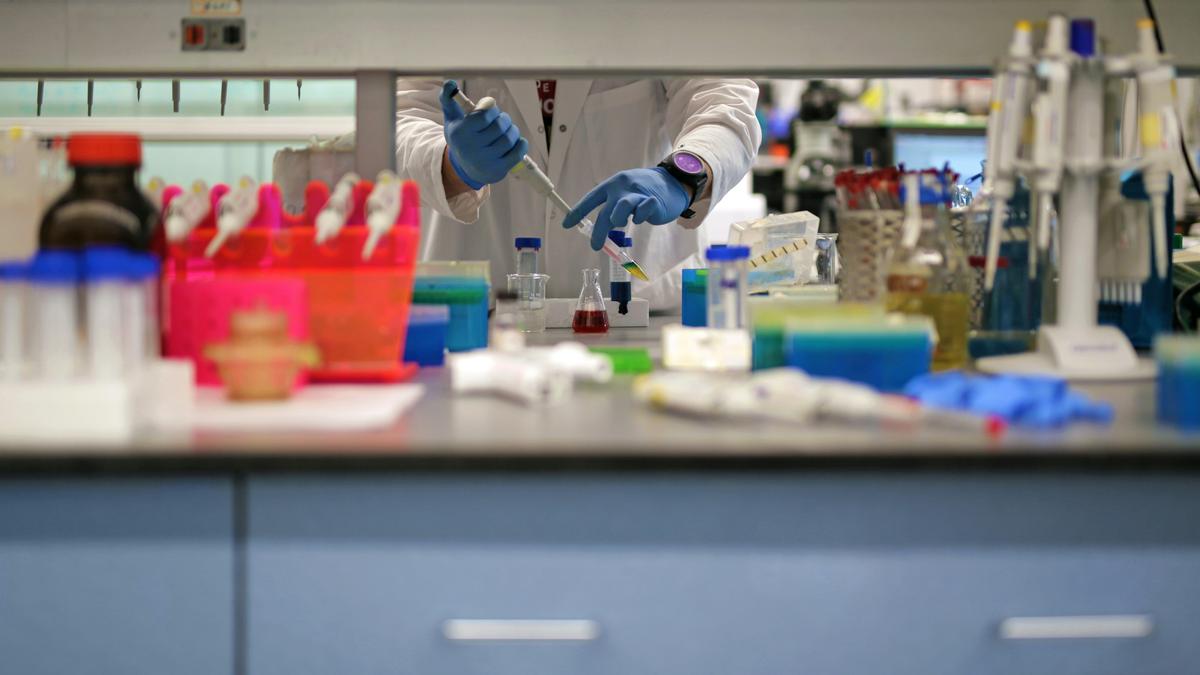
Illustration related to the debate on scientific retractions - Lessons from Research Retractions on Integrity: New commentary highlights that research misconduct deserves scrutiny, but that scrutiny should not become spectacle. The discussion draws on lessons from 2026 to argue that retractions should repair science without turning scrutiny into a public shaming exercise, emphasizing the need for due process in accountability cases.
Header image for research integrity and accountability lessons - Retractions in Psychology and Psychiatry: A new article in the Journal of Bioethical Inquiry examines retractions in psychology and psychiatry within Web of Science. It asserts that a steadfast commitment to scientific integrity is central to the pursuit of knowledge for societal benefit, noting that failure to uphold this integrity can have serious consequences for researchers and the wider community.
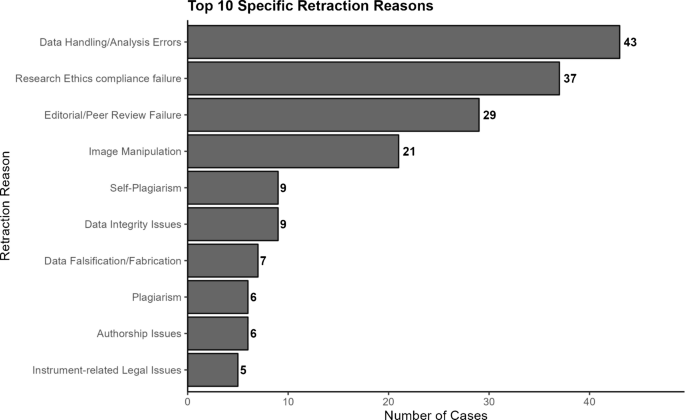
Figure from the article on retractions in psychology and psychiatry
Academic Life & Careers
- Why I Quit the Tenure Track: An updated article from The Atlantic (August 15, 2026) details the "insufferable hypocrisy of elite academia." The piece offers a personal account of leaving the tenure track, contributing to ongoing debates about the pressures and cultural issues within elite academic institutions.
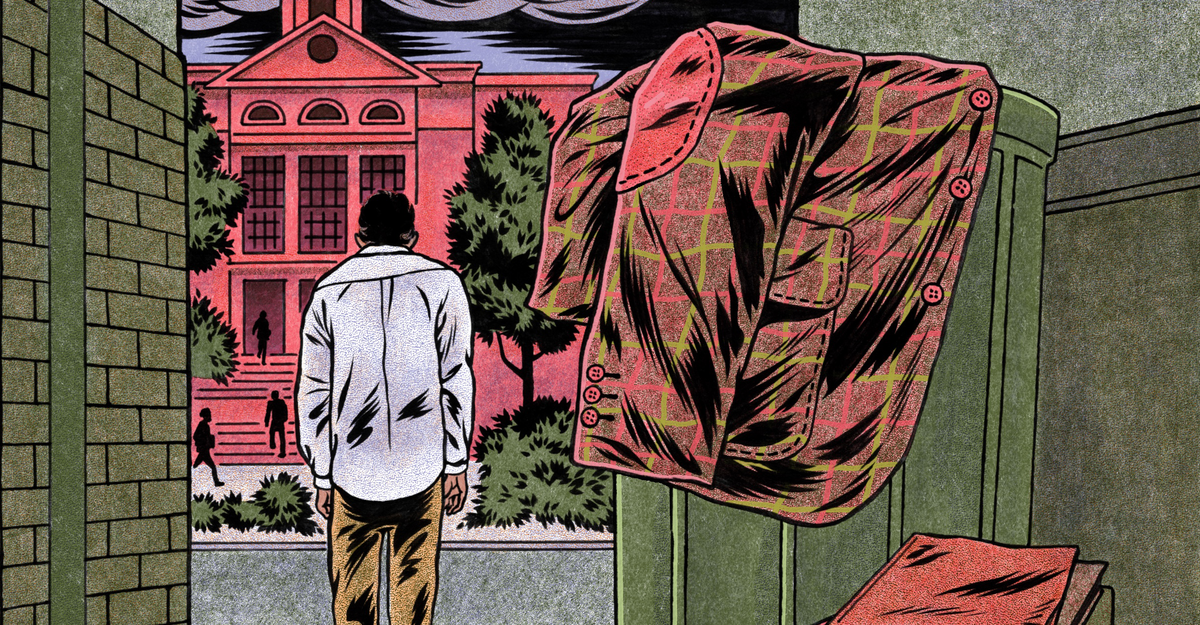
Image from The Atlantic article on quitting the tenure track - ARL Monitor: Public Edition (Summer 2026): The Association of Research Libraries' Summer 2026 issue reports on the U.S. research sector's reaction to proposed changes to federal funding guidelines. It also covers Canada's implementation of new research policies, providing a snapshot of the current landscape for academic libraries and research administration.

Cover image for the ARL Monitor Summer 2026 issue - NIH Director’s New Innovator Award: The University of Florida's Office of Educational Research has listed the NIH Director’s New Innovator Award as a key funding opportunity, with a deadline of August 17, 2026. This highlights the continued importance of high-impact, early-career research grants for faculty and researchers.

Campus tree at the University of Florida
Analysis: The Bigger Picture
The most consequential development this week is the NSF's release of $1.5 billion in new funding opportunities for foundational research. This significant investment signals a renewed federal commitment to basic science, which is critical for long-term technological leadership and scientific breakthroughs. It is particularly important for early-career researchers and those in less applied fields, who often face funding uncertainties. This move may help stabilize the academic job market and encourage more ambitious, high-risk research that is essential for future innovation.
What to Watch Next
- September 30, 2026: Deadline for the American Short-Term Research Publication Grants, which provide $8,000 to eligible women in the U.S. for manuscript preparation.
- FY 2026 Appropriations: Monitor for the enactment of FY 2026 appropriations, which will determine if upward adjustments to noncompeting continuation research grants (currently at 90% of previous commitment) can be made.
- Implementation of NSF NOFOs: Track the application cycles and initial awards for the 12 new NSF Notices of Funding Opportunities to see how the $1.5 billion is distributed across disciplines and research types.
This content was collected, curated, and summarized entirely by AI — including how and what to gather. It may contain inaccuracies. Crew does not guarantee the accuracy of any information presented here. Always verify facts on your own before acting on them. Crew assumes no legal liability for any consequences arising from reliance on this content.
Powered by
