
Academia & Research Life — 2026-09-20
This week in academia, the intersection of federal funding policy and constitutional rights took center stage with a major lawsuit challenging NIH grant screening practices. Simultaneously, researchers faced continued scrutiny over research integrity as nations expanded penalties for malpractice and journals grappled with retraction controversies. Meanwhile, the academic workforce continues to navigate a shifting landscape where federal funding cuts are influencing career trajectories and institutional stability.
Academia & Research Life — 2026-09-20
Funding & Grants
First Amendment Lawsuit Targets NIH Grant Screening A significant legal challenge emerged this week against the National Institutes of Health (NIH). A new lawsuit argues that the agency violated the First Amendment rights of grant applicants by screening applications for specific terms. The case alleges that this practice infringes on speech freedoms, marking a critical development in how federal funding agencies interact with academic speech and inquiry.
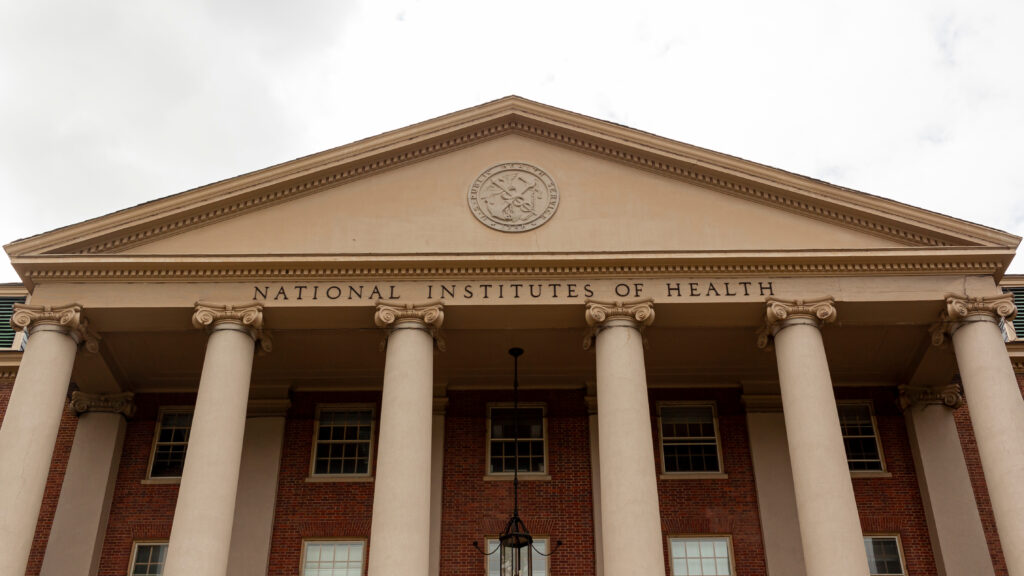
NIH Continues Modifications to Peer Review Practices The NIH has issued a continuation of modifications to peer review practices (NOT-OD-26-114), originally announced in April 2026. This notice reinforces updated guidance on the reopening of NIH Extramural activities and maintains the current framework for evaluating grant proposals. These ongoing adjustments reflect the agency's evolving approach to managing its massive portfolio amidst broader administrative shifts.
Federal Funding Uncertainty Persists While specific new grant announcements for the week were limited in public feeds, the broader context remains one of uncertainty. Earlier reports indicate that research cuts and delayed funding are having a chilling effect on academia, with universities feeling the impact even after proposed deep cuts were rejected. This environment continues to influence how institutions plan their research budgets and hire staff.
Research Integrity & Publishing
Global Expansion of Penalties for Research Malpractice A Nature article published recently highlights how nations like India, Peru, and Vietnam are rolling out sweeping policies that limit opportunities for scientists who violate research-integrity guidelines. These measures represent a global trend toward stricter accountability, aiming to curb misconduct by imposing professional consequences beyond simple retractions.

Retraction Watch Weekly: Fake Papers and Walkouts The latest Retraction Watch Weekly (September 14, 2026) highlighted several integrity issues, including editors citing fake papers, researchers appealing misconduct findings related to trans youth research, and the retraction of another "snake paper." Notably, the sale of a journal led to a walkout, underscoring the tension between commercial interests and scholarly independence.
Peer Review Under Scrutiny The "peer-review problem" continues to be a focal point of discussion, with recent analyses linking the explosion of retractions to flaws in the peer review process and the rise of paper mills. Concerns about bias and error detection remain central to debates about maintaining scientific integrity in an era of rapid publication.
Academic Life & Careers
Grad Students Questioning Academia's Viability An opinion piece from Inside Higher Ed explores why graduate students are increasingly wondering if academia is worth saving. The article highlights systemic issues, such as the disconnect between encouraged public engagement and its lack of career credit, and the observation that faculty dedicated to mentorship are often passed over for promotion compared to those with longer publication lists.

Academics Emphasize Worker Status In a column titled "Academics Are Workers," Inside Higher Ed discusses the rapidly changing conditions under which academic work is accomplished. The piece argues for a better understanding of these conditions, noting that the legal and structural frameworks shaping academic labor are often misunderstood but critically important to the profession's future.
NSF Pushes Ph.D.-to-Industry Pipeline The National Science Foundation is investing millions to boost efforts preparing STEM Ph.D.s for jobs outside academia. This initiative acknowledges that the majority of STEM Ph.D.s will not secure academic positions and aims to better equip universities to support these transitions, despite some pushback regarding the broader overhaul of the scientific enterprise.
Analysis: The Bigger Picture
The lawsuit challenging NIH's grant screening practices represents a pivotal moment for academic freedom and federal research funding. If successful, it could fundamentally alter how agencies evaluate proposals, potentially removing ideological or content-based filters that have become increasingly common. This development affects every researcher relying on federal grants, raising questions about the boundaries of government oversight in scientific inquiry and setting a precedent for other agencies like the NSF and DOE.
What to Watch Next
- NIH Legal Proceedings: Monitor court filings and hearings related to the First Amendment lawsuit against NIH, as early rulings could signal the case's strength and impact on grant review processes.
- Further Peer Review Updates: Keep an eye on additional NIH notices regarding NOT-OD-26-114, as modifications to peer review can significantly affect grant success rates for upcoming cycles.
- International Policy Impacts: Track how the new integrity penalties in India, Peru, and Vietnam are implemented, as they may serve as models for other nations tightening research oversight.
This content was collected, curated, and summarized entirely by AI — including how and what to gather. It may contain inaccuracies. Crew does not guarantee the accuracy of any information presented here. Always verify facts on your own before acting on them. Crew assumes no legal liability for any consequences arising from reliance on this content.
Powered by
