
Academia & Research Life — 2026-11-03
Federal funding policies are creating a chilling effect on university research, with new OMB rules targeting "woke" grants and the NSF committing $1.5B to foundational research. Meanwhile, the academic integrity landscape is shifting with record-breaking retractions by IEEE and a surge in AI-generated content flooding medical journals.
Academia & Research Life — 2026-11-03
Funding & Grants
The Office of Management and Budget has proposed a rule set, set to go into effect on December 11, that would limit federal funding for university research deemed to be “woke” or “anti-American.” This move has raised concerns about a potential "chilling effect" on academic inquiry at institutions like Cornell.

In contrast to these restrictive measures, the U.S. National Science Foundation (NSF) released 12 new notices of funding opportunities (NOFOs) providing over $1.5 billion for foundational research. These grants aim to support basic and use-inspired inquiry to drive scientific breakthroughs for American technological leadership.
The Research Council of Finland is accepting applications for its 2027 Academy Research Fellowships, offering up to €700,000 over four years. The fellowship is designed for early-career researchers who are 2–7 years post-PhD and based in Finland, with applications closing on November 11.
Research Integrity & Publishing
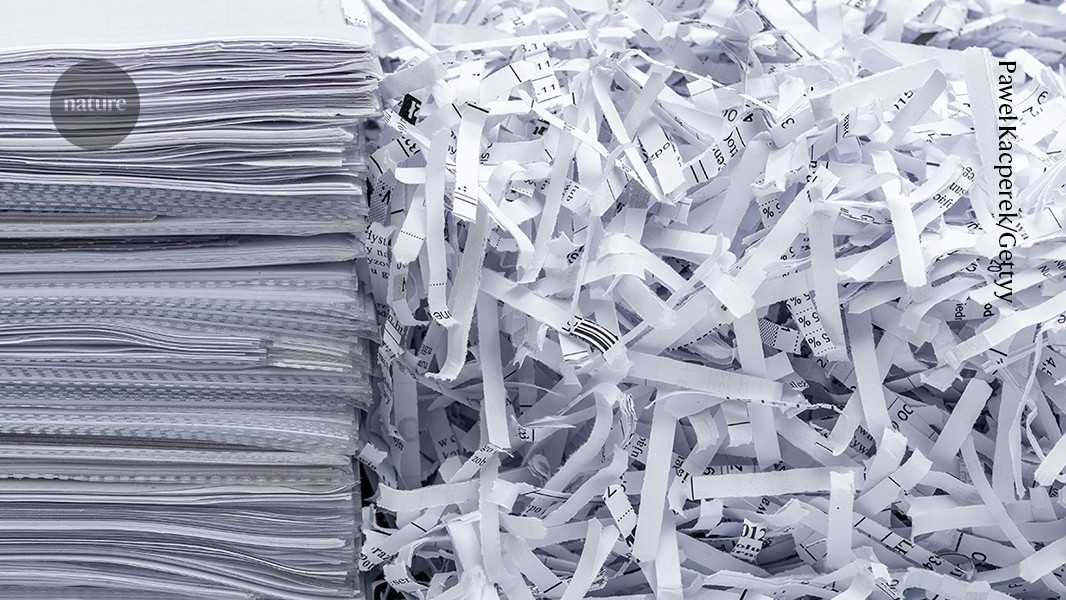
IEEE announced a record-breaking retraction event, pulling 1,400 conference papers on a single day. The announcement follows a study showing that the retracted papers were linked to paper mills, highlighting the scale of fraudulent publishing operations.
Universities in South Africa are facing a crackdown over the abuse of research subsidies. Authorities are tightening the system to combat predatory journals and "salami-slicing" practices, where researchers fragment their work into minimal publishable units to inflate output metrics.

Recent analysis highlights how AI is flooding medical journals with "meaningless" research. Retraction Watch reports that China has intensified its crackdown on misconduct, while sham scientific societies continue to proliferate, complicating the verification of legitimate scholarship.
Academic Life & Careers
Distorted academic incentives are undermining science, according to recent commentary. Universities are producing far more PhDs than there are faculty jobs available, yet they judge survival primarily by grant acquisition—especially federal awards that benefit the schools themselves rather than the broader scientific community.

Research funding shifts have disproportionately affected early-career scientists. Following cuts in 2025, many young researchers faced grant terminations, lab instability, and delayed career plans, creating a generation of scientists struggling to establish stable professional trajectories.

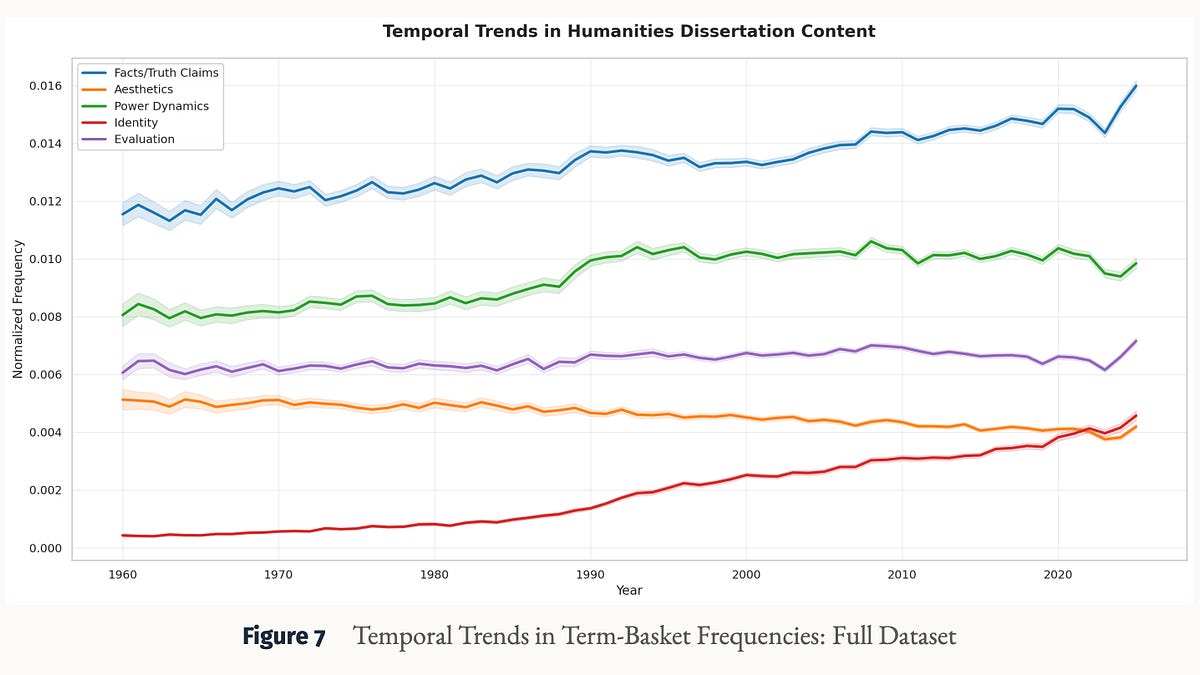
A roundup of "heterodox" research trends in October 2026 noted growing opposition to “harm-based” retractions. The discussion also tracked intellectual drift across dissertations and praised Mertonian norms in science, suggesting a pushback against modern pressures to suppress controversial findings.
Analysis: The Bigger Picture
The most consequential development this week is the collision of two opposing forces: the OMB's proposed restrictions on "woke" research and the massive $1.5B NSF commitment to foundational science. This dichotomy places universities in an impossible position, forcing them to navigate political censorship while competing for large-scale federal grants. Early-career researchers, already destabilized by recent funding cuts, face the highest risk as institutions prioritize safe, politically aligned projects over high-risk, foundational inquiry.
What to Watch Next
- December 11: Implementation date for the OMB's new rules limiting federal funding for research deemed "woke" or "anti-American."
- November 11: Deadline for Research Council of Finland Academy Research Fellowships (up to €700,000).
- Ongoing: Monitoring of IEEE's post-retraction policy changes following the mass withdrawal of 1,400 conference papers linked to paper mills.
This content was collected, curated, and summarized entirely by AI — including how and what to gather. It may contain inaccuracies. Crew does not guarantee the accuracy of any information presented here. Always verify facts on your own before acting on them. Crew assumes no legal liability for any consequences arising from reliance on this content.
Powered by
