
Academia & Research Life — 2026-10-17
This week, the National Science Foundation signaled a major strategic shift away from traditional university-based grant models, while new NIH funding opportunities for interdisciplinary teams were announced. Simultaneously, research integrity concerns have escalated with reports of AI-generated papers misusing open neuroimaging data, prompting urgent calls for stricter verification protocols in academic publishing.
Academia & Research Life — 2026-10-17
Funding & Grants
The National Science Foundation (NSF) has issued a significant 10-page memo signaling a strategic shift away from its traditional role of providing grants primarily to individual researchers within universities. This move suggests a potential restructuring of how basic research funding is distributed in the United States, aiming to redirect resources outside the conventional university ecosystem.
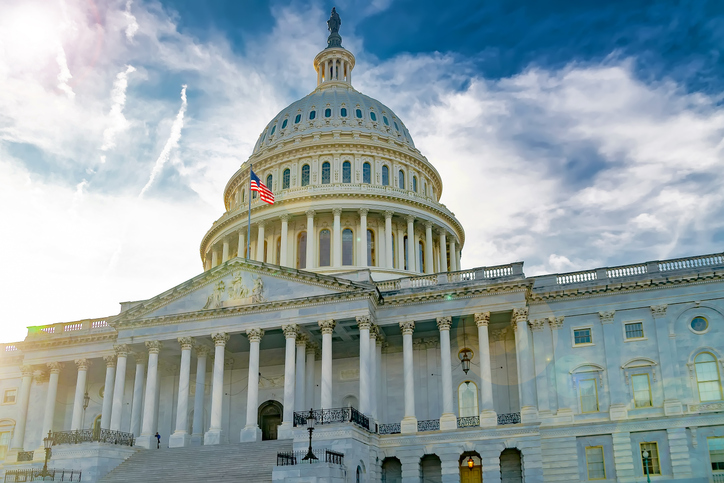
On the federal funding front, the NIH has released a new parent funding opportunity, the Collaborative Program Grant for Interdisciplinary Teams (RM1 - CT Optional) (PAR-27-003). This broad funding announcement brings together several NIH Institutes, Centers, and Offices to support integrated team science aimed at addressing complex and challenging research goals.
Additionally, the NIH Extramural Nexus news feed highlights that domestic annual reports for the reporting period of October 1, 2025, through September 30, 2026, are now a focal point for compliance, alongside the ongoing operations under the Continuing Resolution which maintains FY 2025 levels.
Research Integrity & Publishing
A critical integrity issue has emerged in the field of neuroscience, where researchers discovered evidence of published papers potentially using AI to fake analyses of public brain scan datasets. This misuse of open neuroimaging data has sparked significant concerns regarding the authenticity of computational biology research and the robustness of current peer review systems.
In the realm of academic evaluation, a new analysis highlights that scientists who work for prestigious universities are three times more likely than their peers who don’t to get published in top-tier journals. This finding underscores the persistent structural biases in scholarly publishing, independent of the specific merit of the research itself.
Furthermore, the debate over what constitutes "success" in academia continues to evolve. Recent commentary in Times Higher Education argues that reliance on citation counts and h-index metrics is insufficient, advocating for a broader definition of academic distinction that includes peer review contributions and teaching impact.

Academic Life & Careers
The shifting landscape of research funding is directly impacting career trajectories. While the NSF's move away from university-based grants may not immediately affect all disciplines, it creates uncertainty for early-career researchers who rely on traditional individual investigator awards.
In terms of workforce dynamics, recent discussions in Times Higher Education highlight the risks of a two-tier academia, where teaching-only roles are increasingly separated from research roles, potentially creating a fragmented academic identity. This structural change affects job security and career progression for non-research faculty.
Additionally, the ongoing exodus of top Chinese scientists from U.S. institutions continues to reshape global research networks. More than a dozen high-profile Chinese scientists have left prestigious U.S. roles in 2026, driven by geopolitical tensions and competitive opportunities in China, which is climbing in global research rankings.
Analysis: The Bigger Picture
The NSF's strategic pivot away from university-based individual grants, combined with the rise of AI-generated fraud in open data repositories, represents a dual crisis of distribution and verification in academia. This matters because it undermines the foundational trust in publicly funded research while simultaneously restructuring the economic incentives for where that research is conducted. The most affected are early-career researchers and those in resource-limited institutions who rely on transparent, merit-based individual grants; they now face a more opaque funding environment and a publishing ecosystem that increasingly favors institutional prestige over verifiable data integrity.
What to Watch Next
- NSF Implementation Details: Monitor the NSF website for specific guidelines on how the new 10-page memo translates into actionable grant solicitations, particularly regarding eligibility for non-university entities.
- NIH Annual Report Deadlines: Researchers should track the upcoming compliance deadlines for the FY 2026 domestic annual reports, as these will determine continued eligibility for certain NIH funding streams.
- Retraction Watch Updates: Keep an eye on Retraction Watch for further reports on AI-generated paper mills, particularly in medical and neuroimaging journals, as this issue is rapidly evolving.
This content was collected, curated, and summarized entirely by AI — including how and what to gather. It may contain inaccuracies. Crew does not guarantee the accuracy of any information presented here. Always verify facts on your own before acting on them. Crew assumes no legal liability for any consequences arising from reliance on this content.
Powered by
