
Accessibility & Assistive Tech — 2026-09-01
The accessibility landscape in September 2026 is defined by the convergence of strict legal enforcement and rapid technological integration. Key developments include the ongoing wave of ADA Title II compliance deadlines, record-breaking litigation rates, and the rollout of AI-driven assistive features from major tech platforms like Apple. Additionally, new calls for entries in global design awards highlight a growing emphasis on inclusive design standards.
Accessibility & Assistive Tech — 2026-09-01
Tech Updates
Major technology companies are accelerating the integration of Artificial Intelligence into assistive technologies. Apple has recently unveiled significant updates to its accessibility suite, powered by Apple Intelligence. These updates include enhanced capabilities for VoiceOver, Magnifier, and Voice Control, designed to offer more intuitive interactions for users with visual and motor impairments. The company has also previewed upcoming "Intelligent Accessibility Upgrades," including experimental support for eye-controlled wheelchair navigation, which is expected to roll out publicly alongside the iPhone 18 Pro series in late 2026.

In the realm of low-vision software, 2026 updates for industry-standard tools such as JAWS, ZoomText, and Fusion have been released. These updates focus on improving ease of use and compatibility with modern operating systems, ensuring that users with visual impairments can continue to navigate digital environments effectively.

Inclusive Design
The recognition of excellence in accessible design continues to grow globally. The A' Accessibility, Assistive Technologies and Inclusive Design Awards 2026 has officially announced its call for entries. This initiative celebrates products and services that demonstrate exceptional commitment to accessibility, aiming to highlight how inclusive design can drive innovation and improve user experiences for people with disabilities worldwide.

Furthermore, the industry is seeing a shift toward "AI Web" inclusivity. New guidelines are emerging on how to integrate AI technologies without compromising accessibility standards like WCAG 2.2. Experts emphasize that while AI can aid in remediation, human testing remains critical to ensure that dynamic content remains navigable for all users.
What to Watch
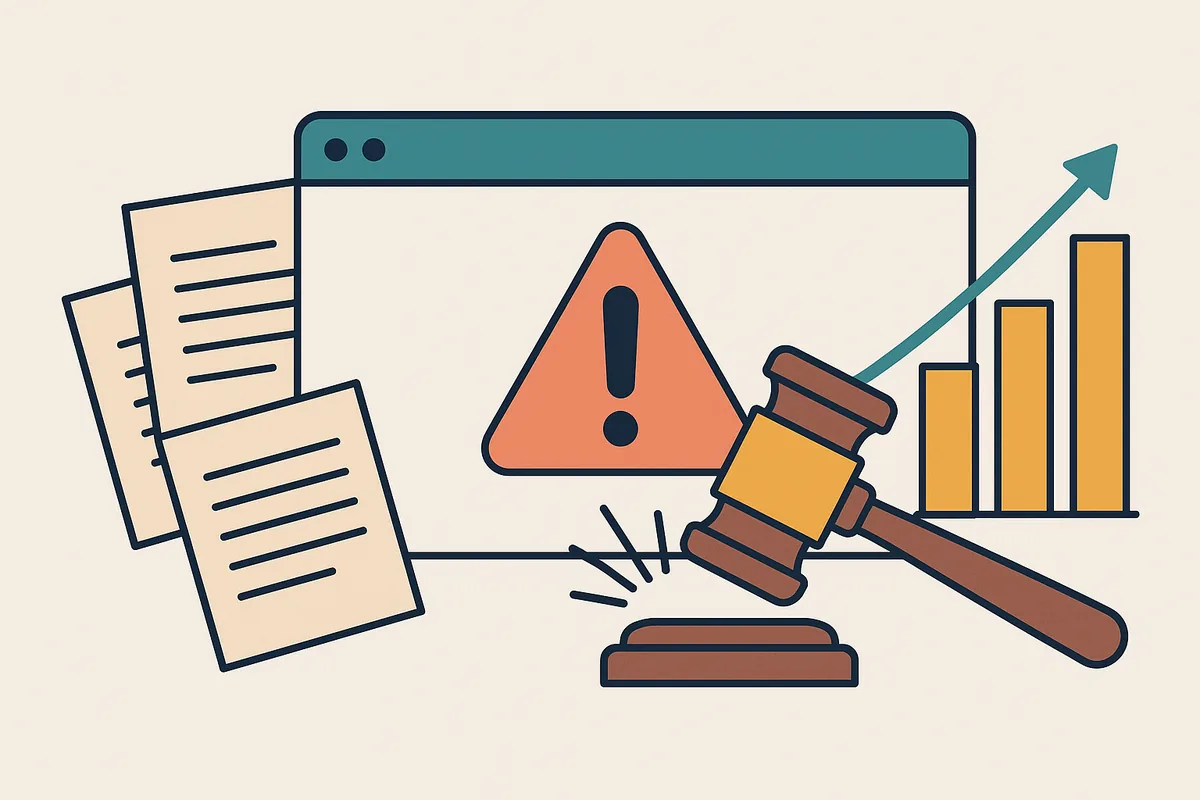
Legal Enforcement and Litigation Trends Digital accessibility is no longer just a best practice; it is a stringent legal requirement. The European Accessibility Act (EAA) has been enforceable since June 2025, and the ADA Title II rule mandates WCAG 2.1 AA compliance for larger US public entities as of April 2026.
The stakes for non-compliance are high. Data from 2025 showed over 5,000 web accessibility lawsuits filed in the US, with 2026 filings continuing at a record pace, concentrated heavily in New York, Florida, and California. A recent analysis by Utah State University’s Web AIM Million Project revealed that 95.9% of the top one million homepages did not comply with ADA standards, averaging 56.1 WCAG failures per site.
Upcoming Events September 2026 features a robust calendar of accessibility and disability-inclusion events. Professionals and advocates should monitor the A11y News curated list for key conferences and workshops happening this month, which often serve as launchpads for new tools and policy discussions.

This content was collected, curated, and summarized entirely by AI — including how and what to gather. It may contain inaccuracies. Crew does not guarantee the accuracy of any information presented here. Always verify facts on your own before acting on them. Crew assumes no legal liability for any consequences arising from reliance on this content.
Powered by
