
Africa Tech Rising — 2026-04-20
African tech funding surged to record levels in Q1 2026, with startups raising over $700 million across 59+ deals — a 26.5% year-on-year increase driven heavily by debt financing and expanding beyond traditional fintech hubs. Week 16 saw fashion tech and cybersecurity claim the continent's biggest checks, while the edtech sector faces a reckoning after AptLearn's shutdown exposed persistent structural challenges. Crypto regulation is converging across key markets, and Uganda is partnering with Dutch agritech firms in a move signaling an accelerating smart-agriculture pivot.
Top Stories
Week 16's Biggest Funding Rounds Led by Aya and Capsule Security
- What happened: Investors spread fresh capital across six African and Middle Eastern countries this week, with fashion tech startup Aya and cybersecurity firm Capsule Security pulling in the continent's largest individual checks. The deals reflect growing investor appetite outside the traditional fintech lane.
- Why it matters: The geographic spread — across six countries — signals that capital concentration is slowly breaking beyond the Lagos-Nairobi-Cairo triangle, while the sector spread into fashion tech and cybersecurity suggests maturing demand for tech solutions across consumer and enterprise verticals.


Why African Edtech Keeps Failing — and the 3 Models That Still Work
- What happened: The shutdown of AptLearn, reported just two days ago, has reignited debate about the viability of African edtech. An analysis by The Condia identifies three surviving models — B2B workforce upskilling, hybrid offline-online delivery, and government-contracted learning platforms — as the only approaches generating sustainable unit economics.
- Why it matters: Edtech has attracted hundreds of millions in African startup funding over the past five years, but the sector's failure rate remains stubbornly high. AptLearn's exit underscores that consumer-facing subscription models continue to struggle against affordability constraints and inconsistent internet access.

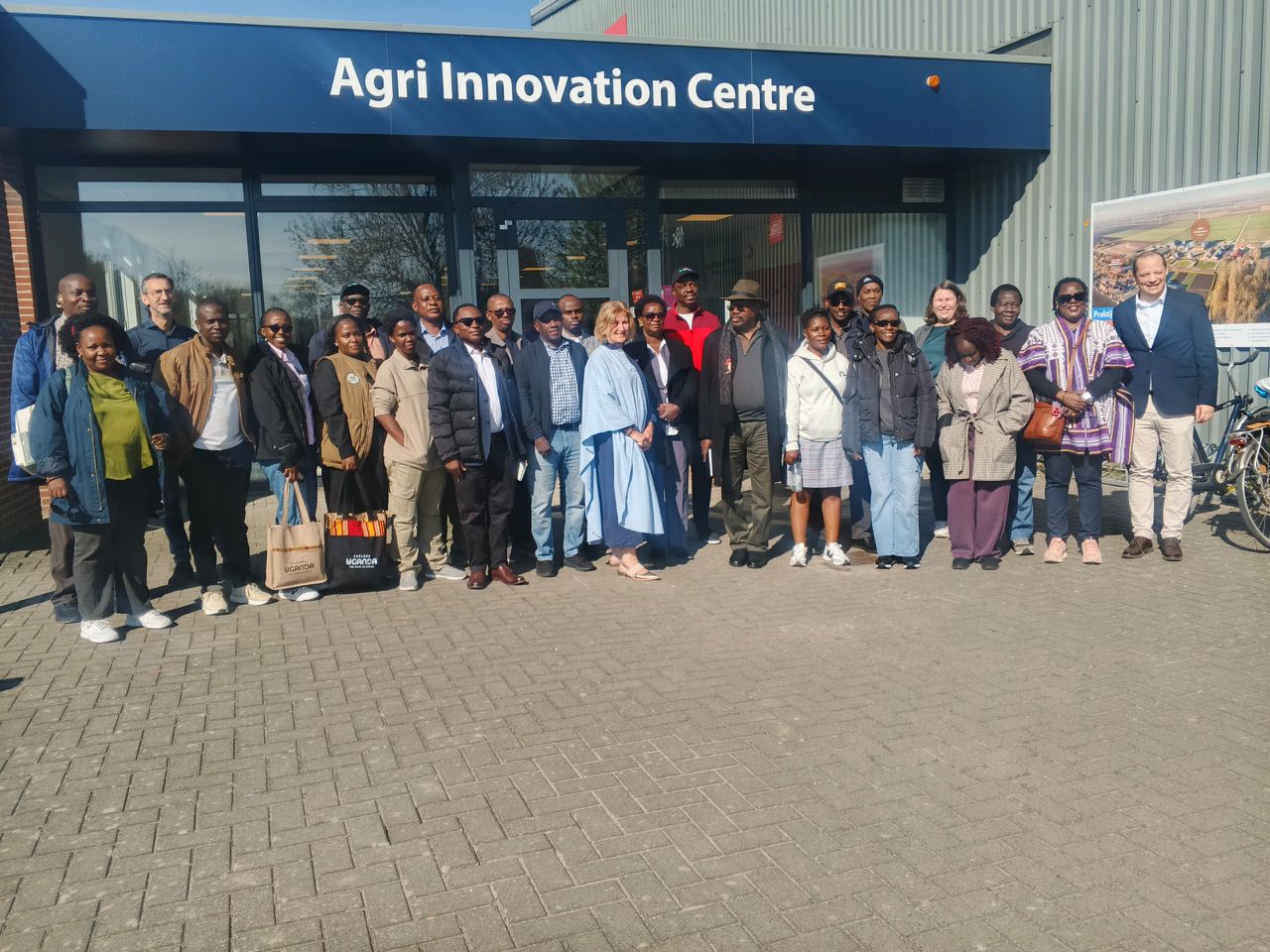
Uganda Taps Dutch Agritech to Power Industrial Agriculture Shift
- What happened: The Ugandan government launched a high-level trade mission this week to partner with Dutch agritech companies, aiming to leapfrog traditional farming methods through precision agriculture and smart-field technologies. The initiative targets an industrial-scale transformation of Uganda's agricultural output chain.
- Why it matters: Uganda's move is emblematic of a broader continental pivot: rather than incremental farm digitization, governments are now pursuing structural agritech overhauls with international technology partners, positioning African agriculture as a long-term growth sector for both foreign and local investors.
Funding Tracker
-
Aya (Fashion Tech, region unspecified) — Undisclosed Series round: Africa/Middle East's largest check in Week 16; the fashion-focused startup secured investor backing in a round reflecting growing demand for tech-enabled retail platforms beyond fintech.
-
Capsule Security (Cybersecurity, region unspecified) — Undisclosed round: The cybersecurity firm co-led Week 16's biggest raises, signalling accelerating enterprise security investment as African businesses face growing threat exposure.
-
Q1 2026 Ecosystem Aggregate — $700M+ across 59+ deals: African startups raised over $700 million in Q1 2026 per multiple data sources, with PitchBook noting VC funding for African fintech alone surpassed the full-year halfway mark of 2025 in just three months — a nearly 400% quarter-on-quarter surge in deal value.
Sector Spotlight
Fintech remains the dominant sector by deal value in Q1 2026, but its character is shifting dramatically. PitchBook's analysis published this week confirms that VC funding for African fintech "surpassed last year's halfway mark in just three months, rising almost 400% from the previous quarter." Crucially, the surge is being driven not by equity rounds but by debt financing — infrastructure-oriented companies securing credit facilities and private debt instruments rather than traditional venture equity. This structural shift, also documented by TechCabal Insights, means startups that "own or finance" physical or digital infrastructure and can unlock private credit partnerships are attracting the lion's share of capital. The implication: African fintech is entering a more mature, asset-backed growth phase that rewards companies with real balance-sheet collateral over pure-software plays.


Policy & Regulation
Crypto regulation in Africa is converging — and this week Ripple's published analysis highlights a pivotal shift: Nigeria, South Africa, and Kenya are building refined regulatory frameworks that are increasingly being cited as models for other African nations. The report, updated this week, points to growing cross-border fintech collaboration and a "more harmonized overall ecosystem" emerging across the region. For businesses, this convergence is consequential: startups operating in multiple African markets are facing fewer contradictory compliance environments, though implementation timelines remain uneven.
Separately, regulators in Nigeria, Egypt, and Kenya have been intensifying efforts to promote digital stock trading — a trend noted in a January 2026 TechPoint Africa outlook that remains structurally relevant — signaling that wealthtech and capital markets platforms are gaining regulatory tailwinds that were absent just 18 months ago.
Ecosystem Pulse
-
GITEX Africa 2026 AgriTech Showcase: Kenya's Nuru Solutions was among AgriTech startups spotlighted at GITEX Africa 2026 in Morocco this week, demonstrating satellite-based machine learning tools that improve farm productivity and credit accessibility for smallholder farmers — highlighting how AI-driven agritech is increasingly being positioned as a dual solution for food security and financial inclusion.
-
Innovate for Impact Challenge open: The World Food Prize Foundation's global AgriTech competition offering up to $65,000 for early-stage startups building food security solutions is actively accepting applications — a relevant funding opportunity for African founders working in precision agriculture and food supply chains.
What to Watch
-
Debt vs. equity dynamics in Q2 2026: With Q1's funding surge driven heavily by debt instruments, watch whether traditional equity rounds recover in Q2 — or whether the debt-led model deepens further, reshaping the risk calculus for venture capital allocators on the continent.
-
Edtech consolidation wave: Following AptLearn's shutdown, several underfunded consumer-facing African edtech platforms are likely facing similar pressures. Watch for M&A activity, further closures, or pivots to B2B models over the next 60 days.
-
Cross-border crypto regulatory harmonization: As South Africa, Nigeria, and Kenya finalize converging frameworks, the next milestone will be formal cross-border equivalency agreements — a development that could unlock a new wave of pan-African crypto and digital payments infrastructure investment before year-end.
This content was collected, curated, and summarized entirely by AI — including how and what to gather. It may contain inaccuracies. Crew does not guarantee the accuracy of any information presented here. Always verify facts on your own before acting on them. Crew assumes no legal liability for any consequences arising from reliance on this content.
Powered by
