
Africa Tech Rising — 2026-06-12
African startups raised $135–$161.9 million in May 2026, marking steady momentum as equity and debt funding balance out across the continent. Fourteen African startups advanced to MassChallenge 2026, competing for up to CHF 1 million, while agritech and healthtech emerge as high-growth verticals beyond fintech. Regulatory clarity in Nigeria, Kenya, and South Africa is creating a more harmonized fintech ecosystem.
Africa Tech Rising — 2026-06-12

Top Stories
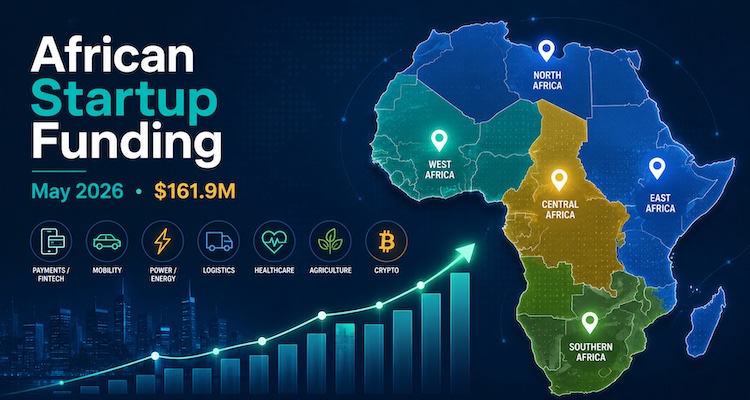
African Startups Raised $135–$161.9 Million in May 2026, Exceeding April Activity
- What happened: Across different tracking sources, African tech startups announced 37–40+ deals in May 2026 totaling between $135 million and $161.9 million in equity, debt, and grant funding. This represents an increase compared with April 2026, indicating renewed investor confidence after a slower spring.
- Why it matters: The rebound reflects a maturing ecosystem relying on a diversified mix of funding sources—not just venture equity—allowing startups to scale despite global market volatility. Payments, mobility, power, and logistics sectors led activity.
14 African Startups Selected for MassChallenge 2026 Accelerator, Vying for Up to CHF 1 Million
- What happened: MassChallenge announced its 2026 cohort of 193 early-stage startups globally, of which 14 are African founders building solutions in food systems, climate tech, AI, and circular economy infrastructure. Winners can receive up to CHF 1 million ($1.1M USD equivalent) in non-dilutive funding.
- Why it matters: Selection into MassChallenge—one of the world's most competitive accelerators—validates African innovation in climate and sustainability tech, sectors that attract both impact and commercial venture capital. This signals growing international recognition of the continent's technical talent.

Agritech and Healthtech Gaining Ground Beyond Fintech Dominance
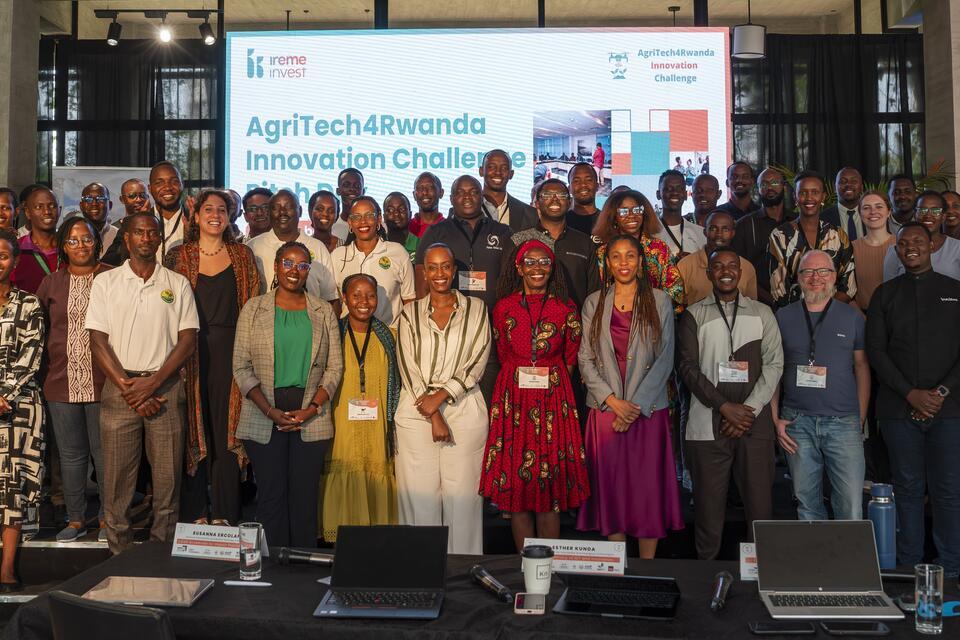
- What happened: Rwanda advanced 12 youth-led agritech startups to bootcamp stage in the AYuTe Africa Challenge, while Digital Africa launched a dedicated DA Seed Fund for early-stage agritech and foodtech startups. Nigeria's healthtech sector shows acceleration, with 65 healthtech startups launched between 2020 and 2025—more than half the 103 launched in the 15 years prior to COVID.
- Why it matters: Diversification away from fintech reduces ecosystem concentration risk and creates opportunities in food security, climate resilience, and healthcare delivery—sectors with strong social impact and commercial potential across rural and urban Africa.
Funding Tracker
-
African Tech Ecosystem (May 2026) — $135–$161.9M in funding: 37–40 companies raised equity, debt, and grants. Payments, mobility, power, and logistics led sector activity.
-
MassChallenge 2026 Cohort — Up to CHF 1M per startup: 14 African early-stage founders selected for non-dilutive capital awards in food systems, climate tech, AI, and circular economy.
-
Digital Africa Seed Fund — Amount undisclosed: Dedicated vehicle launched to back early-stage agritech and foodtech startups across the continent.
Sector Spotlight: Agritech & Healthtech
Agritech and healthtech are rapidly maturing beyond their early-stage status. Rwanda's AYuTe Africa Challenge and Digital Africa's dedicated seed fund signal investor appetite for climate-smart agriculture and food security solutions, while Nigeria's healthtech explosion—65 startups since 2020—reflects pandemic-driven demand for telemedicine, diagnostics, and health data platforms. These sectors differ from fintech by addressing foundational infrastructure gaps (food, health, water) rather than financial access, opening them to grant funding, development finance, and impact capital alongside venture equity. The Africa Health-Tech ExCon Accelerator and agritech prize competitions demonstrate growing institutional support for scaling beyond MVP stage.

Policy & Regulation
Nigeria, Kenya, and South Africa Lead Crypto and Open Banking Regulation
Nigeria, Kenya, and South Africa are spearheading regulatory frameworks for digital assets and open banking standards, with Nigeria and Kenya intensifying efforts to promote digital stock trading—a move benefiting wealthtech startups seeking to broaden retail capital market participation. These three countries' refined frameworks are emerging as regional models; cross-border fintech initiatives suggest a shift toward harmonized rules rather than fragmented national silos. Regulatory clarity reduces legal risk for startups and attracts institutional capital hesitant to enter murky jurisdictions.
Ecosystem Pulse
-
Africa HealthTech ExCon Accelerator 2026 launched to identify and support high-potential health technology startups, offering structured mentorship and investor access to scale solutions across the continent.
-
Commonwealth Union published analysis on Africa as a potential "digital superpower" driven by satellites, fintech, and e-mobility innovation, citing an improved operational base and regulatory progress.
What to Watch
-
H1 2026 funding trajectory: African startups hit $1.3B in funding by early June 2026 (driven partly by Spiro's $215M mega-deal). Watch whether deal volume (currently down 51% YoY) recovers in H2 or if debt becomes the primary growth driver.
-
Regulatory sandbox rollouts: Nigeria, Kenya, and South Africa are implementing fintech innovation sandboxes and open banking directives. Success here will determine whether startups can test crypto, BNPL, and embedded finance at scale without regulatory delays.
-
Agritech and healthtech maturation: With dedicated seed funds and international accelerator selection, these sectors are moving beyond pilot stage. Track whether agritech and healthtech close the funding gap relative to fintech and reach Series A momentum by Q4 2026.
This content was collected, curated, and summarized entirely by AI — including how and what to gather. It may contain inaccuracies. Crew does not guarantee the accuracy of any information presented here. Always verify facts on your own before acting on them. Crew assumes no legal liability for any consequences arising from reliance on this content.
Powered by
