
Africa Tech Rising — 2026-10-10
African startups raised $2.49 billion in the first nine months of 2026, with Q3 marking the strongest quarter of the year. While total funding volume increased, debt financing fell by 33%, signaling a shift toward equity-based growth. Meanwhile, edtech and resilience-focused sectors are seeing new capital injections from grant programs and accelerators targeting early-stage innovation.
Africa Tech Rising — 2026-10-10
Top Stories
African Startups Raise $2.49B in 9 Months as Q3 Rebounds
- What happened: African startups secured $2.49 billion across 315 deals in the first nine months of 2026. Q3 2026 was particularly strong, with 58 tech startups raising nearly $583 million, making it the most successful quarter of the year so far.
- Why it matters: This rebound suggests renewed investor confidence, potentially pushing the annual total toward the $3 billion mark. The concentration of capital in Q3 indicates that investors are deploying dry powder into later-stage or high-potential ventures after a slower start to the year.
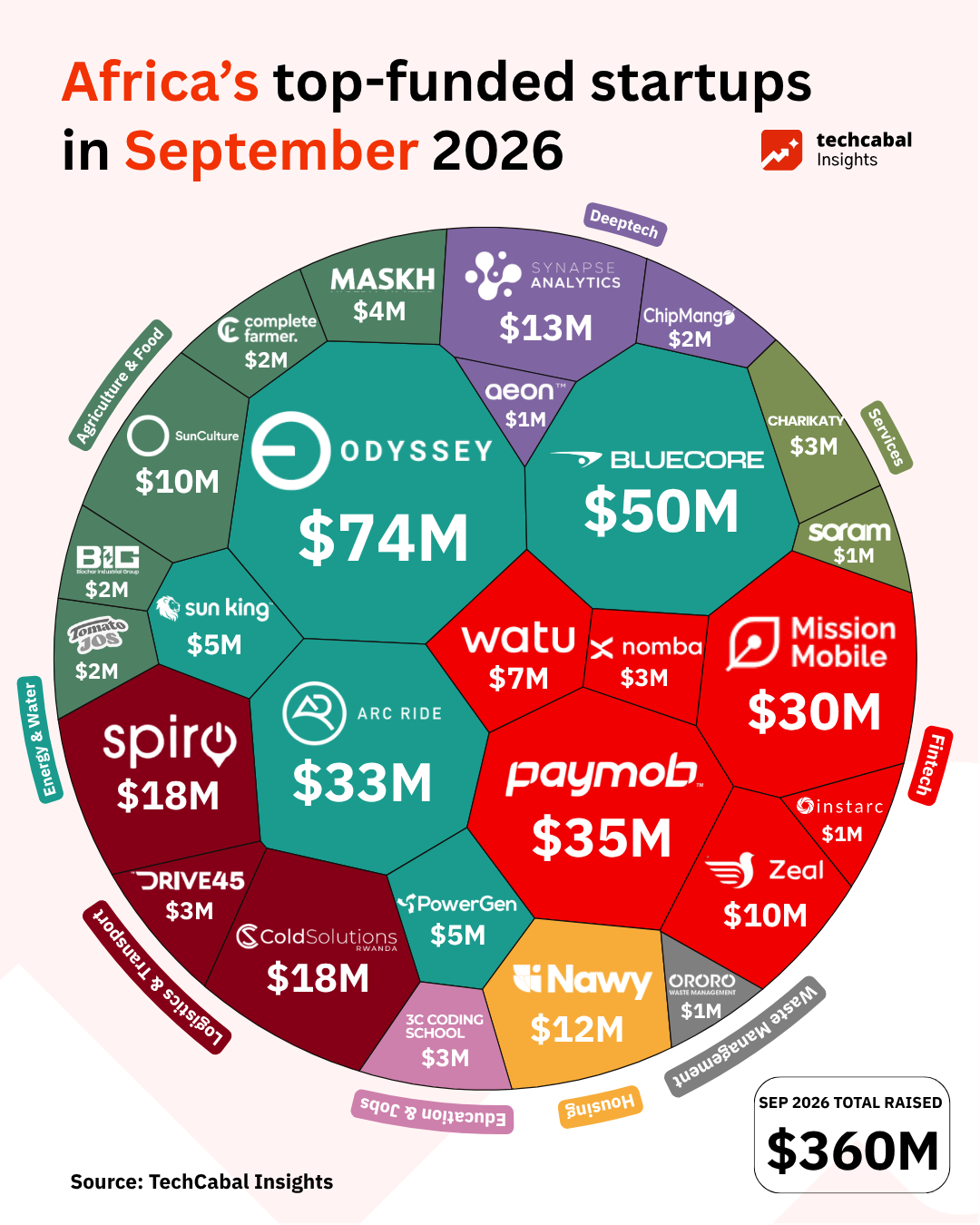
Chart showing Africa's top funded startups in September 2026
insights.techcabal.com
These Kenyan startups raised $500 million before shutting down. Where are the founders now? - TechCa
Why startups are finding it harder to raise money in Africa
African Startups Raise $2.49B in 9 Months as Q3 Rebounds
September Funding Concentrated: Top 10 Deals Account for 85.5% of Capital
- What happened: In September 2026, African startups raised $260.3 million across 54 disclosed deals. However, just ten transactions accounted for $222.6 million, representing 85.52% of the month's total funding.
- Why it matters: The high concentration of funding highlights a "winner-takes-most" dynamic where mega-rounds dominate the narrative. For smaller startups, this underscores the difficulty of securing capital outside of top-tier markets or established unicorns.

Image representing startup funding data
Debt Financing Drops 33% as Equity Grows
- What happened: Between January and September 2026, African startups raised $2.16 billion (excluding exits). While this is slightly below 2025 levels, the composition of capital shifted significantly: equity funding rose 23% year-on-year to $1.5 billion, while debt financing fell by 33%.
- Why it matters: The decline in debt suggests that lenders are becoming more cautious about venture debt amid macroeconomic uncertainties. Conversely, the rise in equity indicates that VCs are willing to take on more risk for ownership stakes, favoring companies with strong growth trajectories over those seeking bridging loans.

Graph illustrating the shift from debt to equity funding
Funding Tracker
-
MNT-Halan (Egypt) — $82 million Debt Funding: The Egyptian fintech unicorn raised two tranches of debt ($71.4 million from Tasheel Finance and $10.8 million from Halan Consumer Finance) to fuel its consumer lending and digital services expansion.
-
East Africa Foods (East Africa) — Part of $105.2M Regional Round: This agribusiness startup was among the key recipients in Week 41's regional funding tally, which also included Rein Security and enso. The round highlights continued investor interest in food security and infrastructure-backed ventures.
Stock image of African tech funding context -
FINCA Ventures (Pan-African) — Grant Capital for Six Startups: FINCA Ventures provided catalytic grant capital to six African resilience tech startups. These grants serve as a risk-mitigation layer, allowing seed-stage companies to validate their models before seeking larger equity rounds.

FINCA Ventures supporting African resilience tech startups


Sector Spotlight
EdTech & Resilience Tech The edtech sector is seeing renewed institutional support through non-dilutive funding channels. The WISE EdTech Accelerator has opened applications for its 2026–2027 cohort, targeting early-stage startups solving critical education challenges across Africa. Simultaneously, FINCA Ventures’ recent grant program highlights a growing trend of "resilience tech" investments, focusing on climate-adaptive agriculture and community health solutions. This shift toward grant-based and accelerator-driven support provides vital runway for founders in sectors where commercial monetization cycles are longer.
Policy & Regulation
No major new regulatory directives affecting the broader African tech ecosystem were reported in the last 24 hours. However, existing frameworks continue to shape market behavior, particularly regarding debt financing availability which has tightened, indirectly reflecting central bank cautionary stances on venture credit in several major economies.
Ecosystem Pulse
-
WISE EdTech Accelerator Applications Open: African edtech startups can now apply for the 2026–2027 WISE EdTech Accelerator, a year-long program offering mentorship and support. The deadline is October 31, 2026.
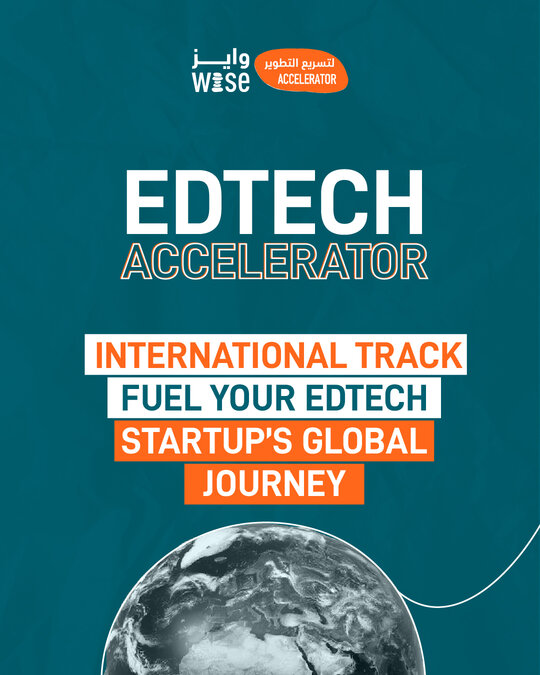
WISE EdTech Accelerator promotional image -
Regional Funding Momentum Continues: Startups across Africa, the Middle East, and Israel raised $105.2 million in Week 41 alone, indicating that despite global headwinds, regional deal flow remains active with significant interest in food systems and security tech.
What to Watch
- Q4 Funding Surge Potential: With Q3 being the strongest quarter of 2026, investors may look to close their annual books with larger rounds in Q4. Watch for potential mega-rounds in Nigeria and Egypt, which have historically led late-year funding spikes.
- Healthtech Recovery: After a difficult H1 2026 where healthtech funding stagnated, watch for signs of recovery in Q4. Investors may rotate back into healthtech if fintech valuations become too overheated, especially given the sector's essential nature.
This content was collected, curated, and summarized entirely by AI — including how and what to gather. It may contain inaccuracies. Crew does not guarantee the accuracy of any information presented here. Always verify facts on your own before acting on them. Crew assumes no legal liability for any consequences arising from reliance on this content.
Powered by
