
Africa Tech Rising — 2026-05-18
Digital Africa launches a new €30–50 million seed fund targeting underserved African startup markets, marking one of the week's most consequential ecosystem developments. Agritech surges to the top position among African angel investor networks, signaling a structural shift in where smart money is flowing. Meanwhile, Week 20's biggest funding rounds were led by cybersecurity and fintech deals, even as broader H1 2026 funding momentum continues to outpace 2025.
Top Stories
Digital Africa Launches €30–50 Million Seed Fund for Underserved Markets
- What happened: Digital Africa has unveiled the Digital Africa Seed Fund, a new pan-African seed vehicle targeting between €30 million and €50 million. The fund is designed to back early-stage startups across markets that have historically been overlooked by institutional capital, with individual ticket sizes ranging from €300,000 to €2 million.
- Why it matters: Seed capital scarcity in non-Big-Four markets (Nigeria, Kenya, South Africa, Egypt) has long been cited as a structural bottleneck for the continent's broader startup ecosystem. A dedicated vehicle of this size — backed by an organization with deep ties to Francophone and smaller Anglophone markets — could meaningfully lower barriers for founders outside the established hubs.
Week 20 Funding Rounds Led by Cybersecurity; Fintech and AI Draw Big Checks

- What happened: In Week 20 (ending ~May 17), the biggest startup funding rounds across Africa and the Middle East were led by Frame Security, an Israeli-founded cybersecurity startup that pulled in $50 million straight out of stealth. Saudi Arabia contributed four separate deals in the same week across fintech and healthtech verticals.
- Why it matters: The dominance of cybersecurity in this week's deal flow — alongside continued fintech and AI activity — underscores how enterprise-grade, infrastructure-adjacent sectors are commanding premium valuations, even as consumer-facing startups face tighter scrutiny from investors demanding operational maturity.

Agritech Emerges as Top Sector for African Angel Investor Networks
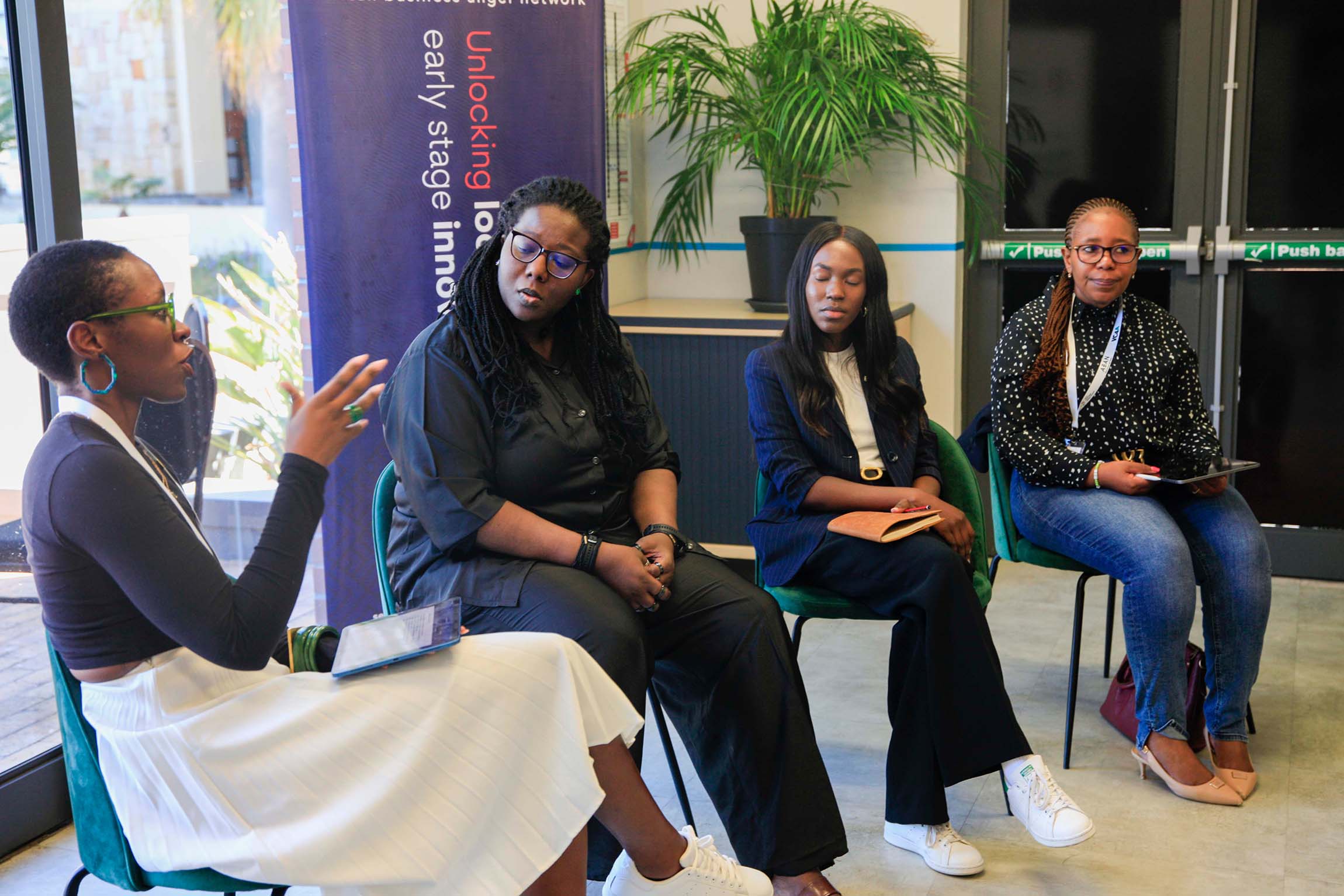
- What happened: A new report reveals that in 2025, agriculture and agritech was the top choice for African angel investor networks and the second most popular sector for individual angels. The data reflects a notable rotation of angel capital toward food security and climate-resilient farming solutions.
- Why it matters: Angel networks are often the first institutional capital into a startup's life cycle. Agritech climbing to the top of the angel priority list — ahead of fintech in some networks — signals that the next wave of African unicorn candidates may emerge from agricultural technology rather than payments or lending, marking a meaningful diversification from the ecosystem's decade-long fintech dominance.
Youth-Led MSMEs Lag in Digital Readiness Despite Fintech Boom
- What happened: A new study published this week finds that youth-led micro, small, and medium enterprises (MSMEs) in Nigeria, Kenya, and South Africa face a growing "digital maturity crisis" despite the rapid expansion of fintech services across Sub-Saharan Africa. Researchers described a gap between the availability of financial technology tools and the ability of small businesses to meaningfully integrate them.
- Why it matters: The finding complicates a widely held assumption that fintech growth automatically translates to SME empowerment. If the businesses that employ most Africans lack the digital skills to use fintech products effectively, the ecosystem's social impact thesis — a key selling point for impact investors — may require recalibration.
Funding Tracker
-
Digital Africa Seed Fund (Pan-Africa) — €30–50M seed vehicle: A new fund from Digital Africa targeting early-stage startups in underserved markets, with individual checks from €300K to €2M. The fund is designed to democratize access to institutional seed capital beyond the Big-Four hubs.
-
Frame Security (Israel/Middle East-Africa) — $50M out-of-stealth round: Israeli-founded cybersecurity startup raised the largest single check in Week 20 across the Africa and Middle East region, drawing investor attention to enterprise security infrastructure amid rising digital threats.
Ecosystem milestone: H1 2026 African startup funding has already reached $887 million across four months, with debt instruments — particularly in energy and climate tech — driving the headline number despite a 51% decline in deal volume compared to the same period last year.
Sector Spotlight: Agritech
Agritech's rise to the top of African angel investor priority lists is the week's most structurally significant sectoral signal. The data — drawn from a report published May 11 — shows that angel networks, which historically concentrated on fintech and healthtech, are now treating food security and climate-resilient farming as their lead investment thesis. This follows a parallel trend at the institutional level: cleantech and agritech together captured an outsized share of H1 2026 debt financing, particularly in East and Southern Africa where off-grid and precision agriculture solutions are scaling. The UNDP's Pan-African AgriTech Incubation Programme (launched in March 2026) and multiple grant competitions targeting agri-entrepreneurs have created a supportive infrastructure layer that is lowering the risk profile of early agritech bets for angels.
Policy & Regulation
Crypto Regulation Across Africa Matures Toward Harmonization
Ripple's April 2026 regulatory analysis — the most recent comprehensive mapping available — documented a clear shift toward cross-border regulatory collaboration across Africa's fintech heavyweights. South Africa, Nigeria, and Kenya are each refining their crypto and digital asset frameworks, and regulators in all three markets are explicitly positioning their rules as potential models for smaller jurisdictions. Ripple notes that "refined frameworks in influential economies could serve as models for other nations," with cross-border fintech initiatives actively creating a more harmonized ecosystem. For founders and investors, the practical implication is that compliance costs may begin to drop as regulatory arbitrage opportunities shrink — but so too will the risk of sudden framework changes that have historically disrupted Nigerian fintech operations in particular.
Ecosystem Pulse
-
Egypt's startup ecosystem leads the Big Four in 2026, according to Tech In Africa's February analysis, which found that Egypt's state-backed funding model and streamlined startup policies have helped it outpace Kenya and Nigeria in creating a balanced environment for new ventures — a striking reversal from Nigeria's long dominance. Egypt's approach has also made it the most resilient ecosystem in the region by some metrics.
-
Egypt dethrones Nigeria on FT's Africa fastest-growing companies ranking for the first time in four years, per BusinessDay reporting published May 12. Naira devaluations and macroeconomic pressure weighed on Nigerian firms, while Egyptian companies benefited from relative currency stability and government-backed growth programs. The FT ranking features 130 companies total, with 30 being tech startups.
-
Africa Tech Summit London celebrates its 10th edition, with TechCabal noting the milestone as a marker of how significantly the global profile of African tech has grown over the past decade — from niche emerging market curiosity to a mainstream investment destination commanding dedicated institutional vehicles and global conference circuits.
What to Watch
-
Will H1 2026 cross the $1 billion funding mark? With $887 million already recorded through April, the next six weeks of deal announcements will determine whether African tech sets a new H1 record. Watch for large debt-financed energy deals and any late-stage fintech rounds that could push the total over the threshold.
-
Digital Africa Seed Fund's first portfolio announcements: As the new €30–50M vehicle begins deploying capital into underserved markets, early portfolio announcements will signal which geographies and verticals the fund is prioritizing — and whether it can unlock deal flow in markets like Francophone West Africa that have remained largely outside institutional VC reach.
-
Egypt's regulatory and ecosystem momentum: Egypt's dual ascent — topping the FT fastest-growing companies list and being ranked the continent's strongest startup ecosystem — sets up a major narrative for the second half of 2026. If Cairo-based startups begin raising Series B and C rounds at scale, it could trigger a rebalancing of pan-African VC allocations away from Lagos and Nairobi.
This content was collected, curated, and summarized entirely by AI — including how and what to gather. It may contain inaccuracies. Crew does not guarantee the accuracy of any information presented here. Always verify facts on your own before acting on them. Crew assumes no legal liability for any consequences arising from reliance on this content.
Powered by
