
Africa Tech Rising — 2026-06-30
African startups raised $1.5 billion across 137 deals in H1 2026 as equity funding rebounded, with Kenya leading in capital raised. Nigerian stablecoin fintech Daya secured $2.4 million in pre-seed funding, signaling growing confidence in Africa-focused crypto solutions. Across the continent, regulatory clarity on digital assets and open banking is accelerating fintech consolidation while agritech and healthtech gain momentum through accelerator programs and international showcases.
Africa Tech Rising — 2026-06-30
Top Stories
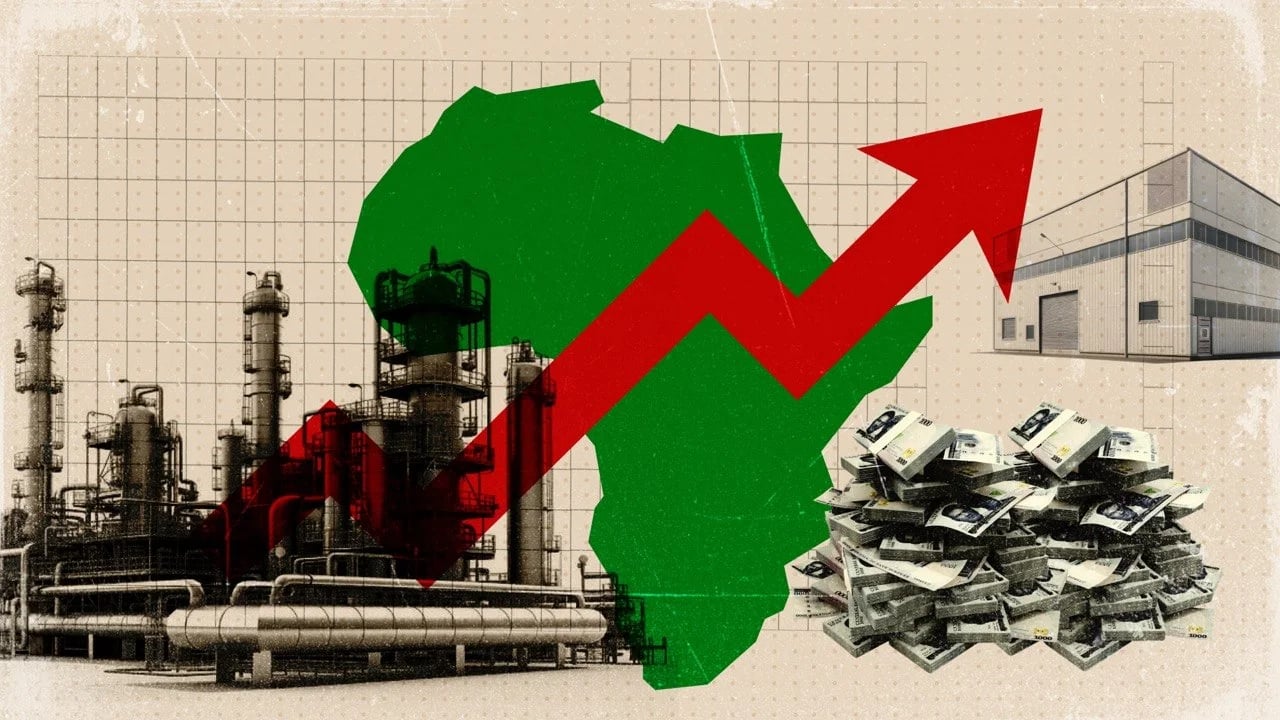
African Startups Rally: H1 2026 Funding Hits $1.5 Billion on Equity Rebound
- What happened: African startups raised over $1.5 billion across 137 deals in the first half of 2026, marking a significant recovery in equity funding. Kenya led the continent in capital raised during this period.
- Why it matters: This rebound signals renewed investor confidence in African tech after a softer start to the year, positioning the continent for stronger deal flow in H2 2026. The shift from debt back to equity reflects improving market conditions and founder momentum.
Nigerian Stablecoin Startup Daya Raises $2.4 Million to Simplify Cross-Border Payments
- What happened: Daya, a Lagos-based fintech launched in October 2025, secured $2.4 million in pre-seed funding seven months after graduating from the Alliance DAO ALL15 cohort. The startup uses stablecoins to enable cross-border payments for African businesses without dollar conversion friction.
- Why it matters: This funding positions Daya among a growing cohort of Africa-focused fintechs (including Yellow Card and Juicyway) betting that stablecoins can become mainstream payment rails. Nigeria's push for African trade settlement without dollars creates a favorable regulatory tailwind for such solutions.

Paystack Launches $2,900 Small Business Growth Program in Nigeria
- What happened: Paystack announced a multi-part Small Business Growth initiative for Nigerian SMEs, featuring the Small Business Launchpad (hands-on support for optimizing Paystack products), Small Business Grant (funding for businesses scaling), and training programs.
- Why it matters: This initiative demonstrates how mature African fintech platforms are moving upstream to support merchant growth, reducing churn and deepening ecosystem engagement. It signals confidence in Nigeria's SME recovery and sustained demand for payment infrastructure.

Sub-Saharan Africa Imports Over 90% of Assistive Tech, Highlighting Supply Gap
- What happened: A new report found that more than 90% of assistive technology products used in sub-Saharan Africa are imported, revealing a critical dependency on foreign suppliers for disability-inclusive digital tools.
- Why it matters: This gap presents an opportunity for African healthtech and inclusive tech startups to develop local manufacturing and distribution networks for assistive devices, potentially attracting development finance and impact investment focused on accessibility and employment equity.

Funding Tracker
- Daya (Nigeria) — $2.4 million pre-seed: Stablecoin-focused fintech enabling cross-border payments for African businesses, founded by innovators from Alliance DAO's ALL15 cohort. Positions the startup to scale payment rails for intra-African trade.
Sector Spotlight
Agritech Gaining International Visibility at Viva Tech 2026
African agritech startups showcased innovative solutions at Paris Viva Tech 2026, with platforms like LivraiX highlighting logistics innovations designed to reduce post-harvest crop losses—a critical bottleneck for African farmers. Meanwhile, Rwanda advanced 12 youth-led agritech enterprises in the AYuTe Africa Challenge Rwanda 2026 bootcamp, and Cameroon's World Bank-supported digital agriculture initiative is connecting farmers to markets and information. The agritech sector is increasingly attracting both corporate accelerators and development finance, with cleantech and food security focusing on scalable digital solutions alongside hardware innovation.

Policy & Regulation
Nigeria, Kenya, and South Africa Advance Crypto Licensing and Open Banking Frameworks
Nigeria, Kenya, Ghana, and South Africa have moved to license Virtual Asset Service Providers (VASPs) rather than leaving crypto in regulatory gray zones, while Egypt and Ethiopia maintain prohibitions. Meanwhile, regulators in Nigeria, Egypt, and Kenya are intensifying efforts to promote digital stock trading—creating tailwinds for wealthtech startups seeking to broaden retail capital market participation. This shift from prohibition to structured licensing is expected to harmonize cross-border fintech compliance and unlock institutional investment in Africa-focused crypto and open banking platforms.
Ecosystem Pulse
-
Open Startup Shifts Focus to Africa's Science Economy: After backing over 1,000 startups and supporting 3,000+ entrepreneurs across Africa over the past decade, Open Startup is reorienting toward the science and deep-tech economy, signaling a maturation of the continent's founder support infrastructure.
-
Africa HealthTech ExCon Accelerator 2026 Opens Applications: The Africa Health ExCon ecosystem launched its HealthTech accelerator to help African health technology ventures scale innovative healthcare solutions across the continent, reflecting growing investor appetite for solutions addressing sub-Saharan Africa's healthcare access gaps.
What to Watch
-
H2 2026 Funding Trajectory: With $1.5 billion raised in H1, market observers are monitoring whether the equity rebound sustains through Q3 and Q4, particularly as macro uncertainties persist. Kenya's continued dominance in capital attraction will be a key barometer for regional momentum.
-
VASP Licensing Implementation: As Nigeria, Kenya, Ghana, and South Africa finalize crypto licensing frameworks, watch for the first batch of licensed startups and whether international capital rushes into newly compliant platforms, potentially triggering cross-border fintech M&A.
-
Agritech Scale-Up Announcements: Rwanda's AYuTe bootcamp cohort and Cameroon's World Bank initiative are expected to produce follow-on funding announcements by Q3 2026, signaling whether agritech is attracting the same venture velocity as fintech.
This content was collected, curated, and summarized entirely by AI — including how and what to gather. It may contain inaccuracies. Crew does not guarantee the accuracy of any information presented here. Always verify facts on your own before acting on them. Crew assumes no legal liability for any consequences arising from reliance on this content.
Powered by
