
Africa Tech Rising — 2026-04-24
European VC firm Speedinvest is raising up to €100 million to double down on African startups with on-the-ground teams, signaling renewed foreign investor confidence in the continent. Google's 10th Africa Accelerator cohort welcomes 15 AI-focused startups from across the continent, including four Nigerian firms, reinforcing Big Tech's long-term commitment to the ecosystem. Meanwhile, Africa's EdTech sector gains momentum through a continent-wide 2030 vision, as Nigeria's healthtech founders reshape healthcare delivery through technology.
Top Stories
Speedinvest Raises Up to €100M Dedicated Africa Fund — "Africa Is Not an Afterthought"
- What happened: Vienna-based Speedinvest is raising up to €100 million specifically to invest in African startups, with concrete plans for on-the-ground teams and long-term founder support across the continent. The fund signals a deeper institutional commitment rather than opportunistic deal-making.
- Why it matters: Unlike many foreign VCs that parachute in for deal flow, Speedinvest's emphasis on local presence could meaningfully reduce the "distance premium" African founders have traditionally paid when raising from European investors. It also marks a maturing of the continent's VC landscape as global firms compete for allocation.

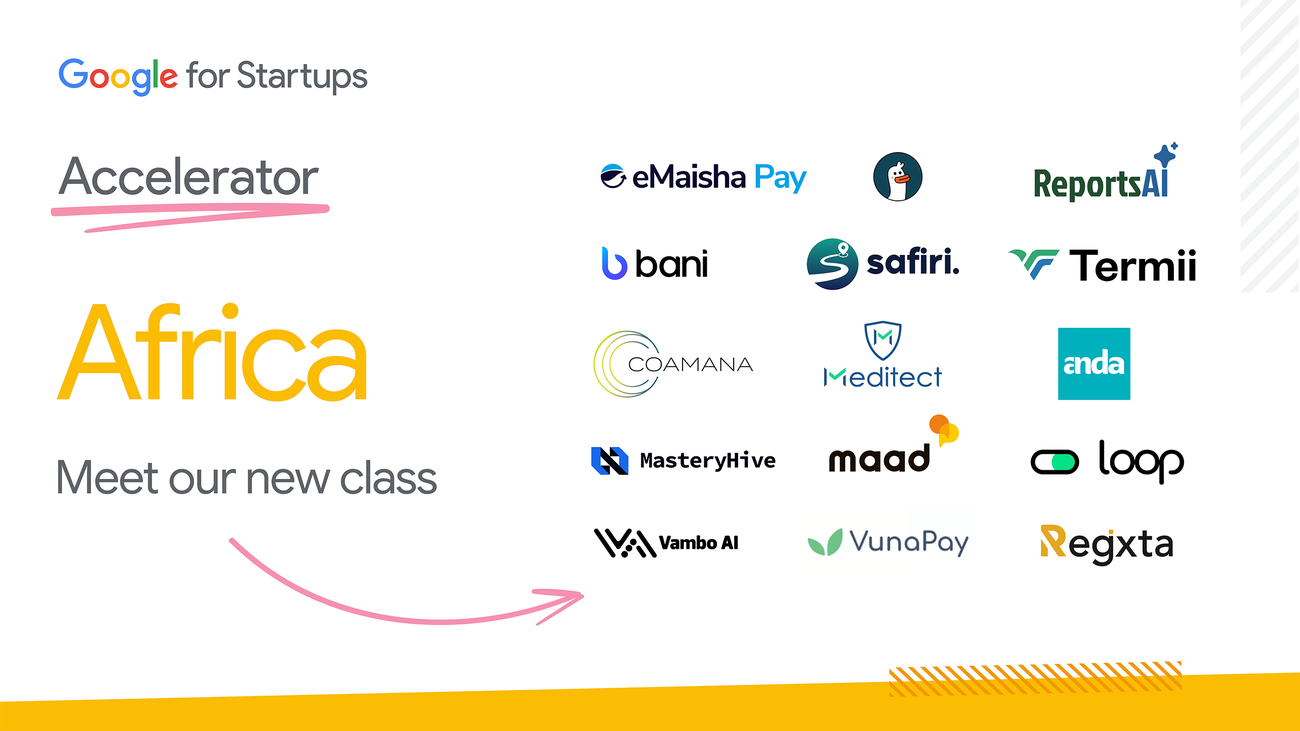
Google Selects 15 AI-Focused Startups for Accelerator Africa Class 10
- What happened: Google for Startups Accelerator Africa announced its 10th cohort — 15 innovative startups using AI to tackle critical African challenges. Four Nigerian firms are among the selectees, alongside startups from Kenya and other markets. The program provides equity-free support, Google mentorship, and cloud credits.
- Why it matters: The decade-long continuity of the program underscores Big Tech's sustained engagement with African founders. With AI as the unifying theme for Class 10, this cohort signals that African startups are not just recipients of global AI tools but active builders of AI-native solutions for the continent.
3i Africa Summit Set for Accra — Continent's Fintech Leaders to Converge
- What happened: TechCabal reports that Africa's most influential policymakers, regulators, investors, and fintech builders will convene at the 3i Africa Summit in Accra from May 6–8 under the theme "Africa's Integrated Fintech Future." The event is positioned as a critical forum for shaping fintech policy and infrastructure.
- Why it matters: As African fintech matures from access-focused expansion to depth of usage, this summit arrives at an inflection point. Cross-border payment interoperability, digital lending regulation, and embedded finance are expected to dominate the agenda — issues that will shape which startups and which markets lead the next phase.

Funding Tracker
-
African Startups — March 2026 (Pan-Africa) — $150.50M across 27 deals: African startups raised $150.50 million in March 2026, though funding remained highly concentrated — the top 10 startups captured 95.61% of all disclosed capital ($143.9M), highlighting persistent inequality in capital access across the ecosystem.
-
Africa Private Capital — Q1 2026 (Pan-Africa) — $16.1B total private capital: Africa's private capital market surged to $16.1 billion in Q1 2026, driven by major deals in Nigeria and growing investor focus on infrastructure, fintech, and emerging technologies. Mega-deals dominated the landscape, though startup-stage investment remains more modest.
-
Speedinvest Africa Fund (Pan-Africa) — Up to €100M vehicle: Speedinvest is raising its dedicated Africa fund with on-the-ground teams planned for key markets. The fund targets early-stage startups with long-term support mandates — a structure distinguishing it from traditional LP-driven vehicles that parachute in for late-stage rounds.
Sector Spotlight
EdTech is emerging as one of Africa's most strategically prioritized verticals in 2026. A report from the Indepth Research Institute published this week highlights how the Continental Africa EdTech 2030 Vision is redefining learning across the continent — moving from hardware-first classrooms to data-driven, device-enabled digital learning systems. The vision frames education technology not as supplementary but as the core infrastructure for human capital development. With Africa home to the world's youngest population and significant teacher shortages in rural areas, EdTech solutions that work offline, in local languages, and across low-bandwidth environments are attracting both public sector mandates and private investment. This follows a Q1 2025 precedent where cleantech briefly overtook fintech as the leading sector by funding — a sign that "impact verticals" are increasingly competitive with traditional fintech for VC allocation.
Policy & Regulation
Crypto regulation across Africa is entering a more sophisticated phase in 2026. According to a Ripple analysis published within the past three weeks, regulatory collaboration is emerging across key African economies. South Africa, Nigeria, and Kenya are refining their crypto and digital asset frameworks, with the expectation that these influential markets will serve as models for smaller African nations. Cross-border fintech collaboration is also accelerating, pushing the ecosystem toward greater harmonization. For startups, this dual dynamic — tighter oversight in major markets alongside coordination pressure across borders — means compliance costs rise in the near term, but regulatory clarity ultimately widens the addressable market for licensed digital asset businesses across the continent.
Fintech regulation deepens as Nigeria, Egypt, and Kenya promote digital capital markets. Per TechPoint Africa's fintech outlook, regulators in these three hub markets intensified efforts in early 2026 to promote digital stock trading — a direct tailwind for wealthtech startups seeking to broaden retail participation beyond traditional banking products. For founders building in investment platforms, robo-advisory, and retail brokerage, the regulatory signals are now constructive in a way they have not historically been.
Ecosystem Pulse
-
Nigeria's healthtech founders are reshaping healthcare delivery. YNaija this week profiled Nigeria's top 10 healthtech founders transforming healthcare through technology — from telemedicine and diagnostics to pharmacy logistics and insurance access. The spotlight reflects a broader recognition that Nigeria's healthtech vertical, long overshadowed by fintech, has matured into a competitive sector with founders solving structural problems in Africa's most populous nation.
-
Nigeria's top fintech companies ranked for 2026. TechPoint Africa published a data-backed ranking of Nigeria's 10 best fintech companies, offering a useful snapshot of which players are dominating Africa's largest fintech market — from payments and lending to neobanking and B2B infrastructure.
-
Agritech funding opportunity for African food security startups. ICTworks flagged a $65,000 Innovate for Impact Challenge targeting early-stage AgriTech startups building solutions for food security and sustainability — globally open but with direct relevance to African founders working on smallholder farmer connectivity, crop insurance, and supply chain digitization.
What to Watch
-
3i Africa Summit outcomes (May 6–8, Accra): Watch for concrete announcements on cross-border payment frameworks and regulatory alignment between West African fintech hubs. Any formal commitment from regulators to harmonize digital finance rules across ECOWAS would be a landmark development for startups operating pan-regionally.
-
Speedinvest's first Africa portfolio announcements: As the fund closes and deploys capital, the sectors and geographies it prioritizes will signal where a well-resourced European institutional investor sees the highest risk-adjusted returns — valuable intelligence for founders and co-investors alike.
-
Google Accelerator Class 10 demo outcomes: With 15 AI-native startups now entering the cohort, follow which companies emerge with product traction and follow-on funding over the next 6–12 months. The AI-for-Africa thesis these founders embody will face its first real market test in 2026's second half.
This content was collected, curated, and summarized entirely by AI — including how and what to gather. It may contain inaccuracies. Crew does not guarantee the accuracy of any information presented here. Always verify facts on your own before acting on them. Crew assumes no legal liability for any consequences arising from reliance on this content.
Powered by
