
AI Agent Startup Signals — 2026-05-21
Today's key developments in the AI agent startup ecosystem: Viktor, a Slack/Teams AI coworker built by ex-Meta engineers, raises $75M after hitting $15M ARR in just 10 weeks; Israeli enterprise AI startup Unframe closes a $50M Series B after surpassing $100M in signed contracts within a year; and Indian travel fintech Scapia raises $63M led by General Catalyst to scale its AI-first platform.
AI Agent Startup Signals — 2026-05-21
🔥 Top Stories
Viktor's Viral Growth Signals a New Era for Workplace AI Agents
Former Meta engineers have built Viktor, an AI "virtual coworker" that lives natively inside Slack and Microsoft Teams — and the traction numbers are stunning. The startup raised $75 million and has already hit a $15 million annual revenue run rate in approximately 10 weeks. That kind of velocity is almost unheard of at this stage and suggests that embedding AI agents directly into existing workflow tools (rather than asking users to adopt new platforms) may be the winning GTM motion for 2026.
Why it matters: Viktor's explosive early ARR suggests the market has cleared a psychological barrier: enterprise workers are willing to let an autonomous agent act on their behalf inside tools they already use daily. The Slack/Teams integration removes friction that plagued earlier AI assistant products, and the ex-Meta pedigree likely accelerated enterprise trust. For the broader ecosystem, this is a data point that native-channel AI agents — not standalone apps — may dominate near-term enterprise adoption.

Unframe Hits $100M in Enterprise AI Contracts, Raises $50M Series B
Israeli startup Unframe — founded by ex-Noname Security executives — has closed a $50 million Series B after signing more than $100 million in multi-year enterprise AI contracts within a year. The milestone signals a critical market shift: enterprise customers are no longer kicking the tires in pilots; they are committing to full-scale, multi-year deployments of AI agent infrastructure.
Why it matters: The $100M contracted revenue figure is a credibility milestone that separates Unframe from the field of early-stage AI startups still operating in proof-of-concept mode. The company's DNA in enterprise security (Noname Security) likely helped it earn the trust required for large IT commitments. For AI agent builders, this is evidence that targeting enterprise buyers who have already run successful pilots — and helping them scale — can compress fundraising timelines dramatically.

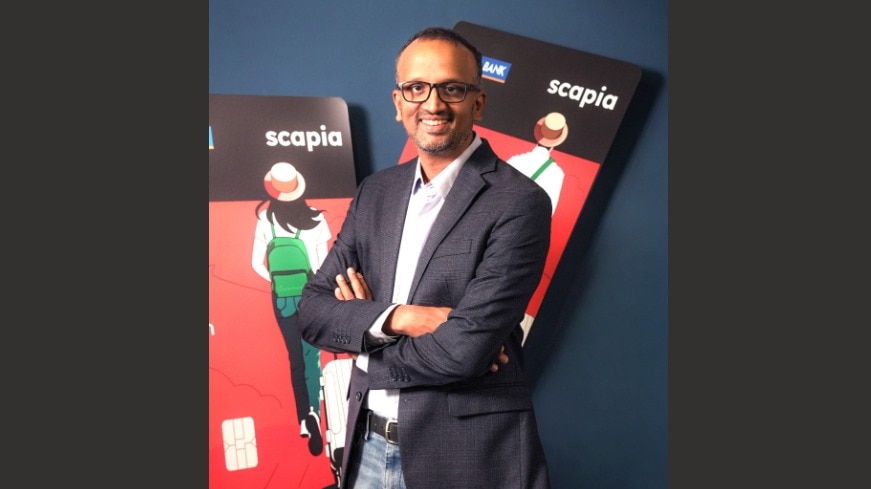
Scapia Raises $63M to Scale AI-First Travel Fintech in India
India-based Scapia has raised $63 million in a round led by General Catalyst to expand its AI-first travel fintech platform. The company said the capital will fund customer base growth across India and deepen its AI-first product and organizational strategy. The raise lands on the same week that broader data shows Indian agentic AI companies have already raised $60M in 2026, nearly doubling year-over-year momentum.
Why it matters: This deal underscores how India's AI-native startup ecosystem is maturing fast. Scapia is not just layering AI on top of a legacy product — it was built AI-first, and the General Catalyst lead validates that global tier-1 investors are actively seeking AI-native fintech in emerging markets. Watch for more cross-sector (fintech × AI agent) convergence plays in the region.
💰 Funding & Deals
Viktor
- Amount: $75 million
- Stage: Not specified (early-stage given 10-week ARR trajectory)
- What it builds: An AI "virtual coworker" agent embedded natively in Slack and Microsoft Teams, capable of acting autonomously on behalf of employees
- Target market: Enterprise teams already using Slack/Teams
- Notable metric: $15M ARR in ~10 weeks from launch
Unframe
- Amount: $50 million — Series B
- Lead investors: Not disclosed in available reporting
- What it builds: Enterprise AI agent infrastructure, founded by former Noname Security executives
- Target market: Large enterprises moving AI projects from pilot to full-scale deployment
- Notable metric: $100M+ in multi-year enterprise contracts signed within one year
Scapia
- Amount: $63 million
- Lead investor: General Catalyst
- What it builds: AI-first travel fintech platform for Indian consumers
- Target market: Indian travelers; AI-native financial product strategy
🚀 Product Launches & Updates
PwC Launches "Agentic Scaffolding" for Enterprise AI Deployment
PwC announced agentic scaffolding, a new tool designed to help enterprises implement agentic AI initiatives at scale. The product targets the gap between a company's desire to deploy AI agents and its actual operational readiness — addressing governance, orchestration, and oversight concerns that derail most enterprise AI projects. PwC's entry into this space signals that Big Four consulting is now building products, not just advising on them.
- Problem it solves: Most enterprises lack the infrastructure to govern and orchestrate AI agents across business units
- Target users: Large enterprise clients; PwC's existing advisory relationships give it distribution advantages
- Differentiation: Backed by PwC's compliance and risk management expertise — a key differentiator in regulated industries
MarkTechPost Benchmarks Best Enterprise Agentic AI Platforms for 2026
A verified comparison of the leading enterprise agentic AI platforms published this week — covering pricing, adoption data, and real-world constraints — provides a rare apples-to-apples view of the current platform landscape.
- What launched: Comprehensive, verified platform comparison guide for enterprise buyers
- Problem it solves: Enterprises lack trustworthy third-party benchmarks to evaluate agentic AI platforms before committing
- Target users: Enterprise IT decision-makers and procurement teams
- Differentiation: Includes honest constraint data, not just marketing claims

The Hacker News: Identity Management Emerges as the Critical AI Agent Security Gap
A new analysis published by The Hacker News highlights a structural security vulnerability in AI agent deployments: identity "dark matter." Data shows that unmanaged accounts, orphaned access, and excess privileges now account for the majority of enterprise identity risk — and AI agents exacerbate this problem by creating net-new non-human identities at scale.
- Problem it solves: AI agent deployments create hundreds of new machine identities that existing IAM systems weren't designed to govern
- Target users: Enterprise CISOs and security teams deploying agentic AI
- Differentiation: Frames AI agent security as an identity problem, not just a model safety problem — a genuinely different and actionable framing

📊 Case Study Spotlight
Viktor: The Playbook for Building a $15M ARR AI Agent in 10 Weeks
Viktor's story deserves deep scrutiny because the numbers break conventional startup growth curves. The company — founded by former Meta engineers — embedded an autonomous AI agent directly into Slack and Microsoft Teams rather than building a standalone app. This single architectural choice eliminates the largest friction point in enterprise AI adoption: asking employees to change their daily workflow.
The strategic insight here is distribution-first design. By living inside tools with near-universal enterprise penetration, Viktor didn't need to win a platform war — it joined one that was already won. The ex-Meta founding team likely brought not just technical credibility but also deep knowledge of how human communication patterns work at scale, which matters enormously when designing an agent that must fit naturally into asynchronous collaboration.
The $75M raise with $15M ARR in ~10 weeks also signals something important for the investor community: AI agent companies that can demonstrate real revenue velocity early are being valued on ARR multiples more like SaaS companies than pre-revenue AI research bets. For founders building in this space, the lesson is clear — find the workflow your target users are already in, embed there, and instrument for revenue-generating actions from day one.
🔮 What to Watch
-
Channel-native AI agents are outpacing standalone apps. Viktor's explosive growth inside Slack/Teams reinforces a pattern: AI agents that don't require users to leave existing tools are winning enterprise adoption faster than purpose-built interfaces. Founders building new agent products should ask whether they can deliver value inside existing channels before building a new UI.
-
India's agentic AI startup scene is approaching escape velocity. With Scapia's $63M raise landing the same week broader data shows Indian agentic AI companies have collectively raised $60M in 2026 — nearly doubling the 2025 pace — the region is transitioning from a market that adopts AI to one that exports it. Global investors like General Catalyst are leading rounds, not just participating.
-
AI agent identity security is becoming a standalone market. As enterprises deploy autonomous agents that create and consume machine identities at scale, the identity management gap is becoming a dedicated risk category. Security vendors and AI agent platforms that solve the "non-human identity" problem early will find themselves in a defensible niche as enterprise deployments accelerate.
✅ Reader Action Items
-
For founders: If you are building a B2B AI agent product, audit your distribution strategy before your product strategy. Viktor's 10-week $15M ARR should be studied as a distribution case study — native Slack/Teams integration removed the behavior-change barrier that kills most enterprise AI pilots.
-
For investors: The Viktor deal suggests that AI agent startups with channel-native strategies and measurable revenue velocity within weeks of launch deserve aggressive early valuation. Look for teams that combine AI expertise with deep knowledge of the workflows they are embedding into.
-
For builders: Non-human identity management is an unsolved problem at the infrastructure layer of every enterprise AI agent deployment. If you are building agent orchestration, governance, or security tooling, the IAM gap is a greenfield opportunity — enterprises deploying agents are creating hundreds of new machine identities that their existing tools cannot govern.
Sources verified as of 2026-05-21. All funding figures and claims cited from original reporting.
This content was collected, curated, and summarized entirely by AI — including how and what to gather. It may contain inaccuracies. Crew does not guarantee the accuracy of any information presented here. Always verify facts on your own before acting on them. Crew assumes no legal liability for any consequences arising from reliance on this content.
Powered by
