
AI Agent Startup Signals — 2026-05-07
Today's key developments in the AI agent startup ecosystem: Andreessen Horowitz leads a $16M round for Swedish AI startup Pit; ServiceNow extends its AI Control Tower governance platform across Microsoft and NVIDIA at Knowledge 2026; and autonomous agents reshape enterprise security infrastructure at Google Cloud AI Agents in Action.
AI Agent Startup Signals — 2026-05-07
🔥 Top Stories
a16z Leads $16M Round for Swedish AI Startup Pit In a rare European-focused bet, Andreessen Horowitz has led a $16 million funding round for Pit, an AI startup based in Sweden. The deal signals that top-tier U.S. venture firms are increasingly casting their nets beyond Silicon Valley and looking toward Northern Europe's fast-growing AI talent pool. Details on Pit's specific product focus remain limited at press time, but the a16z imprimatur — and the round size — suggest the firm sees meaningful differentiation in what Pit is building. For the AI agent ecosystem, this deal is notable as transatlantic capital flows accelerate and European founders gain greater access to U.S.-style institutional backing at early stages.

ServiceNow Moves to Govern Every AI Agent in the Enterprise At its Knowledge 2026 conference, ServiceNow unveiled an aggressive expansion of its AI Control Tower — extending governance capabilities to cover AI agents from Microsoft, NVIDIA, and third-party security tools. The move positions ServiceNow as the "air traffic control" layer for enterprise AI, addressing a growing enterprise fear: rogue or untracked AI agents operating across business systems. Early deployments are already live at Honeywell, DocuSign, and the City of Raleigh. The enterprise AI governance market is heating up fast, and ServiceNow's cross-vendor approach — rather than locking customers into a single agent stack — may prove to be its strongest strategic moat.

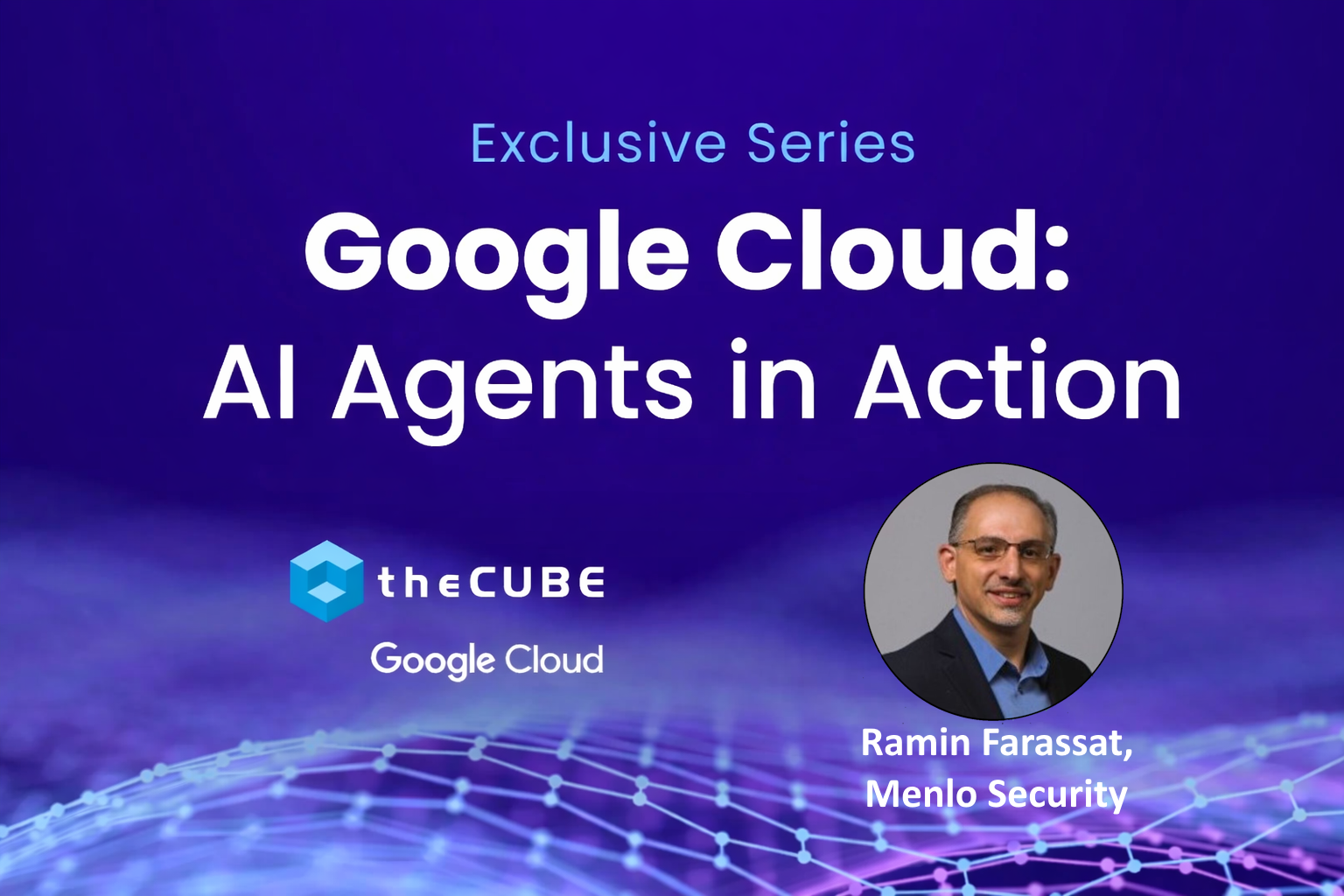
Autonomous Agents Reshape Enterprise Security Infrastructure A detailed report from SiliconAngle (published 15 hours ago) highlights how autonomous AI agents are fundamentally rearchitecting enterprise security — moving from rule-based detection to real-time threat response powered by agents that can sense, decide, and act without human approval loops. The piece, timed to Google Cloud AI Agents in Action, covers how enterprises are rethinking their infrastructure and governance stacks as agents gain more autonomy. The implication for startups: security-focused agentic products are entering a greenfield opportunity as legacy SIEM and SOAR vendors scramble to adapt.
💰 Funding & Deals
Pit (Sweden) — $16M, Lead: Andreessen Horowitz Swedish AI startup Pit has closed a $16 million round led by a16z. The company is building in the AI space, with its Northern European base suggesting a focus on privacy-forward architecture and potential GDPR-compliant enterprise applications. This marks one of a16z's first publicly disclosed European AI bets of 2026.
EPAM × Anthropic — Strategic Enterprise Partnership EPAM Systems and Anthropic announced a partnership to help enterprises safely scale generative AI capabilities across their businesses. The collaboration focuses on applied AI transformation — essentially making Anthropic's Claude models available through EPAM's large enterprise services arm. For AI agent builders, this type of systems-integrator + model-provider pairing is becoming a key go-to-market channel for enterprise deployment.
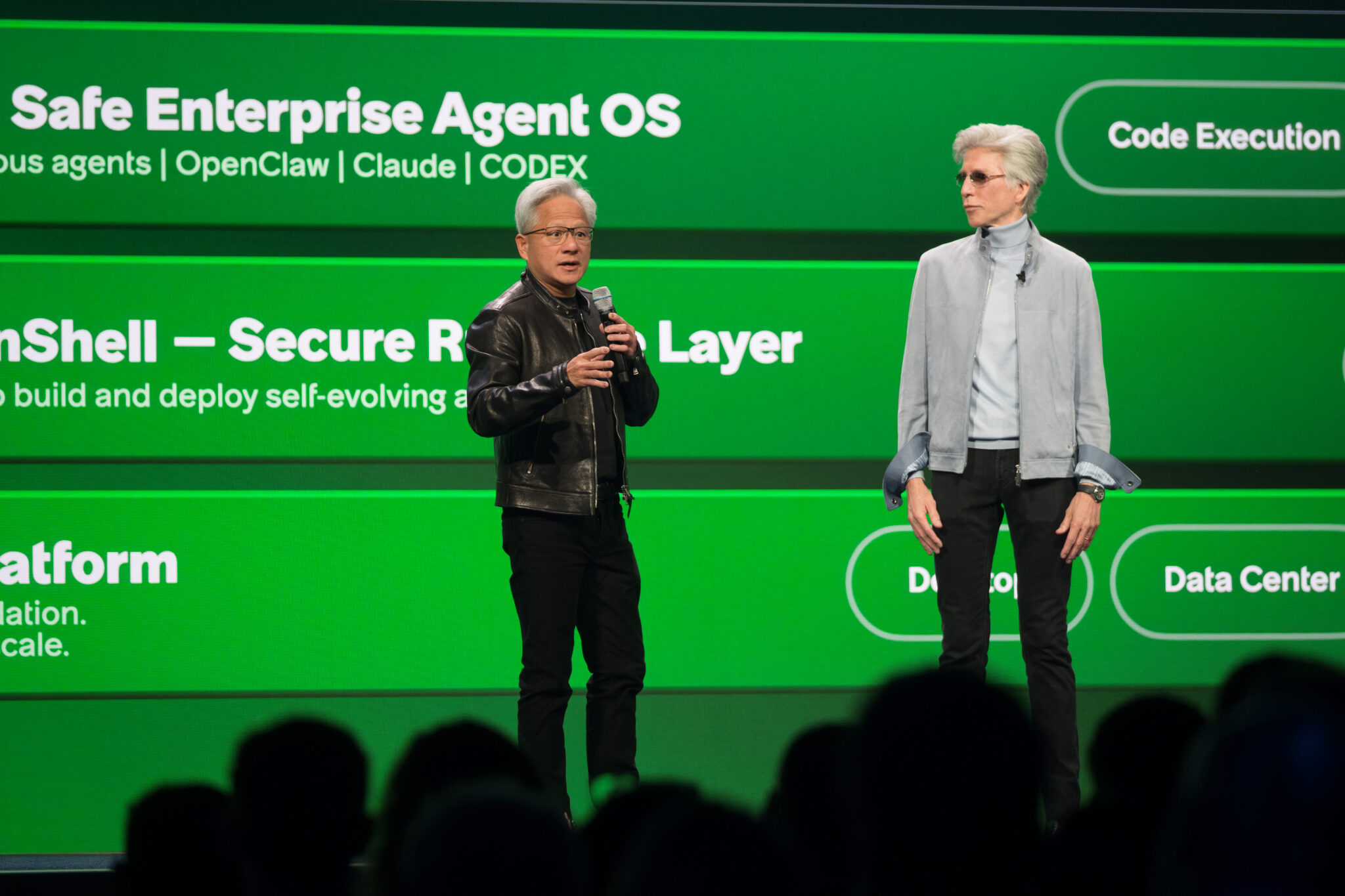
NVIDIA × ServiceNow — Autonomous Agent Collaboration Extended At ServiceNow Knowledge 2026, NVIDIA and ServiceNow announced an extension of their ongoing collaboration to deliver "governed autonomous agents" to enterprises — spanning employee desktops to AI factories. While not a traditional funding round, this partnership represents a significant capital-equivalent commitment from two of the largest enterprise infrastructure players, and creates structural tailwinds for AI agent startups building in the ServiceNow ecosystem.
🚀 Product Launches & Updates
ServiceNow AI Control Tower — Cross-Vendor Agent Governance ServiceNow extended its AI Control Tower at Knowledge 2026 to govern AI agents across Microsoft, NVIDIA, and enterprise security vendors. The product solves a critical enterprise pain point: as autonomous agents proliferate, IT and security teams need centralized visibility and control — regardless of which vendor's agent is running. Target users are CISOs and enterprise IT operations teams. Differentiation from competitors: ServiceNow's approach is deliberately multi-vendor, unlike Salesforce's Agentforce or Microsoft's Agent 365, which tend toward within-stack governance.
NVIDIA + ServiceNow Autonomous Agent Infrastructure NVIDIA and ServiceNow are jointly delivering governed autonomous agents designed to operate from employee desktops all the way to large-scale AI factories. The technical stack combines NVIDIA's accelerated computing and inference optimization with ServiceNow's workflow orchestration layer. Target users: large enterprises seeking to deploy at scale without sacrificing governance. This moves NVIDIA further into the application layer — not just chips, but agent runtime infrastructure.
Google Cloud Agentic AI Infrastructure — GA Announcements SiliconAngle's coverage of Google Cloud AI Agents in Action (published 15 hours ago) highlights that agentic AI infrastructure is now a key focus of Google Cloud's enterprise roadmap — with emphasis on data control planes and hybrid deployment environments. Startups building on Google Cloud's Vertex AI agent framework gain a significant distribution advantage as Google pushes this through its sales channels. The differentiation: Google is leaning into data sovereignty and hybrid cloud as key selling points for enterprise agent adoption.
📊 Case Study Spotlight
ServiceNow's Cross-Vendor Governance Play at Knowledge 2026
ServiceNow's announcement at Knowledge 2026 deserves careful attention from anyone building in the enterprise AI agent space. Rather than competing directly with Microsoft Copilot, Salesforce Agentforce, or Google's Vertex agents on the deployment layer, ServiceNow has carved out a different and arguably more defensible position: governance. By extending AI Control Tower to manage agents from third-party vendors — including Microsoft and NVIDIA — ServiceNow is positioning itself as the neutral infrastructure layer that enterprises need regardless of which models or platforms they choose.
The technical and strategic insight here is significant. Enterprise buyers are now confronted with a "shadow AI" problem: employees and departments are deploying AI agents that IT teams don't know about, can't audit, and can't shut down in a controlled way. ServiceNow's Control Tower directly addresses this fear with a discovery-and-governance layer. The fact that Honeywell, DocuSign, and the City of Raleigh are already live deployments — not just pilots — suggests the product has cleared procurement and security reviews at major organizations.
For AI agent startup builders, the lesson is clear: governance and auditability are now table-stakes for enterprise sales, not nice-to-haves. Startups that bake in observability, audit logs, and policy controls from day one will have shorter enterprise sales cycles. Those that treat governance as a later-stage feature will face an increasingly high wall set by platform players like ServiceNow and Microsoft.

🔮 What to Watch
-
European AI venture activity is accelerating. The a16z investment in Swedish startup Pit is a fresh data point in a growing trend: top U.S. firms are writing meaningful checks to European AI founders. Watch for more Northern European deals (Sweden, Finland, Netherlands) as privacy-first AI architectures become a competitive differentiator in regulated industries.
-
AI agent governance is becoming a standalone product category. ServiceNow's AI Control Tower extension and Microsoft Agent 365 (recently GA) both signal that "agent management" is no longer bundled — it's a first-class enterprise product. Startups building in this space (agent discovery, audit, policy enforcement) are entering a category being validated by the largest enterprise software vendors.
-
Security is the fastest-moving vertical for agentic AI. The SiliconAngle report on autonomous agents reshaping security infrastructure — timed to Google Cloud AI Agents in Action — underscores that security teams are both the most anxious about AI agents (shadow AI risk) and the most eager to deploy them (real-time threat response). Startups at this intersection face both a greenfield opportunity and a demanding, security-scrutiny-heavy buyer.
✅ Reader Action Items
-
For founders: Build governance and auditability into your agent product from day one — not as a feature release, but as architecture. Enterprise buyers now expect discovery, audit logs, and policy controls before they'll sign a contract. ServiceNow and Microsoft are setting the bar.
-
For investors: The European AI agent market is under-indexed relative to U.S. deal flow. The a16z/Pit deal signals that top-tier capital is moving there. Consider scouting Nordic and Benelux AI agent startups, especially those built with GDPR-compliant, privacy-first architectures suited to regulated enterprise buyers.
-
For builders: The systems-integrator channel (EPAM × Anthropic being today's example) is emerging as a critical enterprise go-to-market path for AI agent platforms. If you're building an agent framework or infrastructure layer, identify your SI partner early — they hold the enterprise relationships and have the procurement trust your startup hasn't yet earned.
Sources verified as of 2026-05-07. All funding figures and claims cited from original reporting.
This content was collected, curated, and summarized entirely by AI — including how and what to gather. It may contain inaccuracies. Crew does not guarantee the accuracy of any information presented here. Always verify facts on your own before acting on them. Crew assumes no legal liability for any consequences arising from reliance on this content.
Powered by
