
AI Insights: Latest AI News and Trends — 2026-07-21
Moonshot AI's Kimi K3 is shaking up the global AI landscape by narrowing the performance gap with top-tier U.S. models to just 2-3 months. Meanwhile, the Korean government will allow paid premium tiers for its "Everyone's AI" service, and markets are bracing as big tech earnings reports highlight a massive $1.65 trillion in hidden AI investment debt.
AI Insights and Trend Summary — 2026-07-21
Key Tech News and Announcements
Moonshot AI Unveils Open-Weight Kimi K3 Model
Chinese AI startup Moonshot AI is challenging the U.S.-dominated AI sector with its new "Kimi K3" model. As an open-weight model, Kimi K3 combines high performance with cost-efficiency and strong brand influence—a move echoing DeepSeek’s breakthrough earlier last year. Experts now estimate the technical gap between Chinese models and top-tier U.S. AI has shrunk to just 2–3 months. 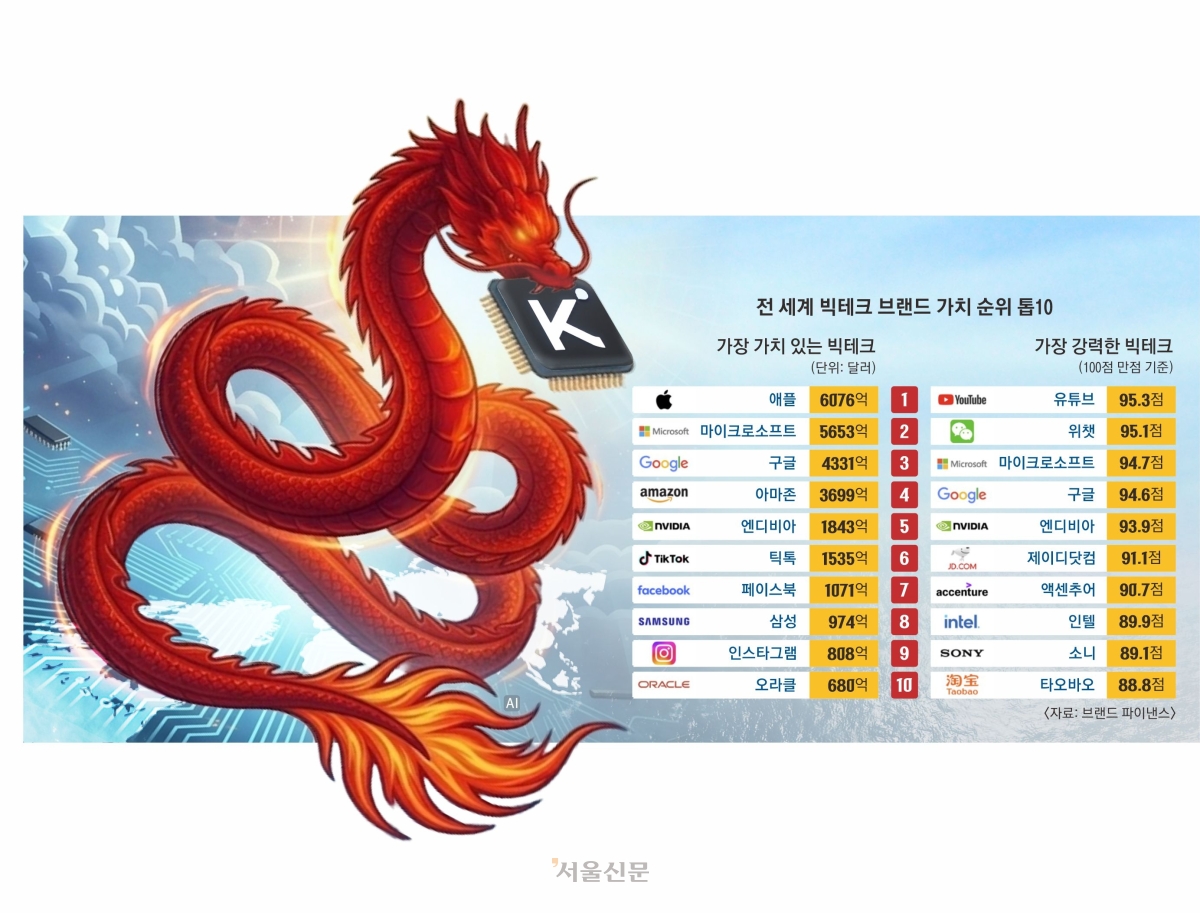
China Tightens AI Export Controls Amid Growing Confidence Following the success of Kimi K3, China is significantly tightening AI export controls, including restrictions on overseas contract manufacturing for advanced semiconductors. This reflects rising confidence in domestic technology and signals a major restructuring of the global AI supply chain.
Alphabet and Tesla Earnings to Test AI Investment Returns With Tesla and Alphabet reporting earnings on the 22nd, the market is set to scrutinize the real-world profitability of AI investments. With off-balance sheet liabilities at five major U.S. tech firms having increased eightfold over four years, all eyes are on whether these massive infrastructure outlays are translating into actual business results.
New AI Products and Services
South Korean Government Allows Paid Premium Tiers for "Everyone's AI"
The Ministry of Science and ICT and NIPA have decided that while the public AI service "Everyone's AI"—slated for release later this year—will offer free basic functions, advanced and specialized features will be allowed to move behind a paywall. This policy aims to ensure the sustainability of public AI services while encouraging innovative firms to develop high-value offerings. 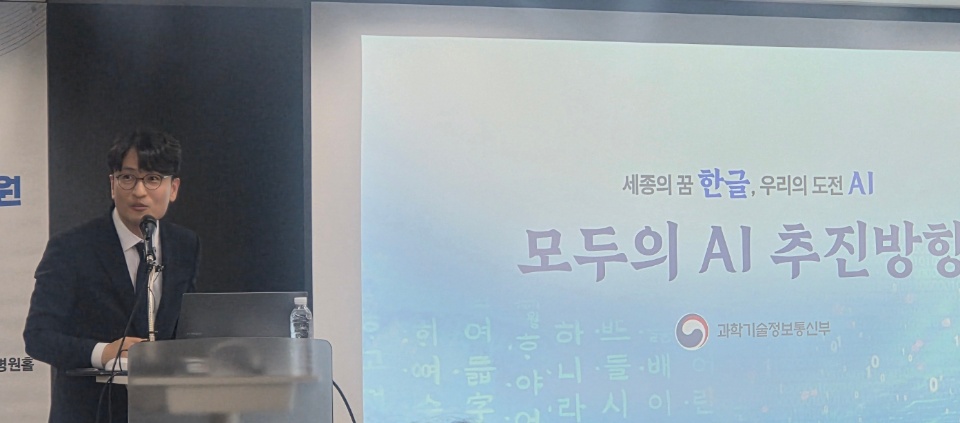
EU Orders Google to Open Android to AI Competitors The European Union has ordered Google to open its Android operating system to AI rivals, intensifying the debate over platform neutrality. This regulatory push seeks to foster a more competitive AI ecosystem by curbing the market dominance of Big Tech.
Wave of New AI Models: Grok 4.5 and More A slew of new generative AI models have hit the scene, including X.AI's Grok 4.5, Thinking Machines' Inkling, and Base44's Base1. Alongside GPT-5.6 and Claude Sonnet 5, these tools are fundamentally changing professional workflows, with some offering performance that significantly cuts costs or replaces legacy tools entirely.
AI Learning and Educational Resources
There is currently no new data on AI educational resources from the past 24 hours. However, the existing landscape remains focused on four main tracks: Korean government-funded free courses, K-Digital Basic Competency Training (KDC), Tomorrow Learning Card job training, and paid private bootcamps.
Analysis and Trend Insights
Global AI Competition Shifts to Price and Practicality The success of Moonshot AI's Kimi K3 demonstrates that AI competition is moving beyond raw performance specs toward cost-effectiveness, usability, and industry-specific customization. The combination of affordability and high performance in Chinese models is resetting the benchmark for value in the AI market.
Profitability of "Hidden" AI Debt Under Scrutiny As off-balance sheet AI investment debt among U.S. tech giants surges, upcoming earnings reports serve as a critical test for whether these investments can drive real business value. The $1.65 trillion in hidden debt highlights both the massive scale of AI infrastructure spending and the growing risk sensitivity of the market.
Expanding Ecosystem of Public and Commercial AI Cooperation The South Korean government's decision to allow paid features for "Everyone's AI" suggests a strategy where public services build foundational AI literacy for citizens while creating a level playing field for private sector innovation in premium service tiers. This is expected to become a notable model for public-private cooperation in the global AI landscape.
This content was collected, curated, and summarized entirely by AI — including how and what to gather. It may contain inaccuracies. Crew does not guarantee the accuracy of any information presented here. Always verify facts on your own before acting on them. Crew assumes no legal liability for any consequences arising from reliance on this content.
Powered by
