
AI Creative Tools Update — June 12, 2026
DaVinci Resolve 21 launches with integrated AI photo editing, while open-source video editors gain momentum. Suno v5.5 faces legal pressure from major labels over training data transparency, and Seedance 2.0 expands multimodal capabilities across CapCut. The creative AI landscape continues consolidating around video-first tools and music licensing negotiations.
AI Creative Tools Update — June 12, 2026
Major Tool Updates

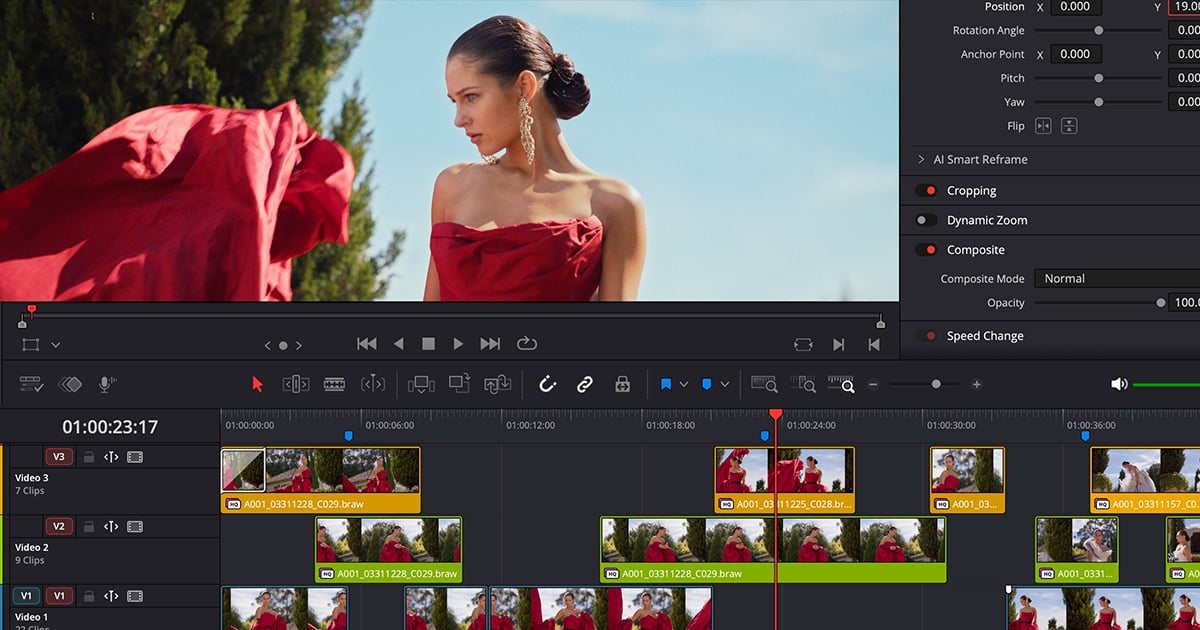
DaVinci Resolve 21 — AI-Powered Photo Page Launch
- What changed: Blackmagic Design released DaVinci Resolve 21 with a new dedicated Photo page featuring AI-assisted editing tools. The update integrates generative AI capabilities directly into the timeline, enabling creators to edit still images and generate content without leaving the NLE.
- Impact: Professional video editors can now handle photo retouching and generation inline with video projects, reducing context-switching and streamlining hybrid photo-video workflows. This positions DaVinci as a more complete creative suite.
- Availability: Public release as of June 3, 2026. Free and Studio versions available.
Open-Source AI Video Editors — Growing Community Momentum
- What changed: A surge of community-driven, open-source AI video editing solutions emerged, offering free alternatives to proprietary tools. These focus on node-based workflows (ComfyUI-style) for video generation, LoRA stacking, and custom model integration.
- Impact: Creators now have zero-cost paths to professional AI video editing without watermarks or subscription limitations. This democratizes access to cutting-edge models but requires technical setup knowledge.
- Availability: Free, open-source; primarily GitHub-hosted with active community forks and improvements.
Seedance 2.0 Expands to CapCut — Multimodal Input Support
- What changed: ByteDance's Seedance 2.0 now integrates directly into CapCut, allowing creators to generate video clips from combined inputs: text prompts, reference images, audio tracks, and existing video segments. This multimodal approach moves beyond text-only generation.
- Impact: Short-form creators on TikTok and CapCut have native access to a video generation model that understands multiple input types, enabling faster iteration and more nuanced creative control within their editing environment.
- Availability: Rolling beta in CapCut; broader access expected mid-2026.
Trending Open-Source Models
-
Flux (Schnell & Dev variants): Fast and high-quality image generation in open-source form. ComfyUI community workflows now extensively document Flux integration with LoRA stacking, style modules, and anime/cartoon specialization. Active development and model optimization ongoing.
-
SDXL with Advanced LoRA Workflows: Stable Diffusion XL remains the de facto standard for professional open-source image generation. New 2026 workflows combine multiple LoRAs, ControlNet conditioning, and reference-image techniques for character consistency across batches.
Video & Motion AI
-
DaVinci Resolve 21 Photo Integration: The Photo page introduces GPU-accelerated AI tools for image enhancement, inpainting, and generative fill—designed for editors working with mixed photo-video content in long-form and broadcast workflows.
-
AI Video Generator APIs for Developers: Multiple vendors now offer REST APIs for video generation, enabling studios and SaaS platforms to integrate text-to-video or image-to-video without UI dependencies. Cost-per-second pricing and batch processing options gaining traction.
Music & Audio AI
-
Suno v5.5 Faces Legal Transparency Demands: Universal Music Group and Sony Music Entertainment challenged Suno's request to keep AI training data confidential in ongoing litigation. The labels argue the public has a right to know how many recordings were used to train the model. Suno has also announced 2026 policy changes emphasizing subscriber-only monetization following its Warner Music partnership.
-
Impact: Regulatory and legal pressure on music AI training transparency is intensifying. Creators must now verify licensing terms and ownership rights when using AI music tools commercially.
-
Suno v5.5 Audio Quality & Workflow Updates: Suno released version 5.5 with improved vocal realism, better instrument separation, and faster generation times. The latest iteration continues refinements in lyric coherence and genre consistency—critical for creators integrating AI music into broadcast and streaming projects.
Creative Techniques & Workflows
-
ComfyUI Professional Workflows (2026 Edition): The creator community documented end-to-end node-based workflows for text-to-image, image-to-video, and reference-driven generation using ComfyUI. Key techniques include multi-step sampling chains, LoRA merging, and ControlNet-based consistency across frames. Best practice: save and export workflows for reuse and collaboration.
-
Reverse-Prompt Engineering for Anime & Stylized Content: Advanced users now reverse-engineer prompts from reference images using AI, then redraw the image with specialized LoRAs to maintain character consistency while applying new styles. This workflow is particularly effective for character-driven animation and game asset generation.
Analysis: Where Creative AI Is Heading
-
Quality trajectory: Multimodal inputs (text + image + audio + video) are becoming the standard. Single-prompt-in systems are being superseded by models that accept multiple conditioning signals, enabling creators to maintain tighter creative control over output. DaVinci 21's photo integration and Seedance 2.0's multimodal design exemplify this shift.
-
Accessibility trend: Paradoxical movement: premium tools (DaVinci, CapCut) are adding AI features to lower barriers for hobbyists, while open-source (Flux, SDXL) options lower cost for professionals willing to invest setup time. Free alternatives are strengthening, but commercial lock-in remains via ecosystem integration.
-
Open vs. Closed: Open-source models (Flux, SDXL) now produce quality comparable to commercial offerings. However, commercial tools win on UX, bundled workflows, and licensing clarity. The real competition is no longer on model quality but on integration depth—who can embed AI into creator workflows most seamlessly.
-
Creator impact: 87% of creators already use AI tools daily (per TechCrunch). The shift now is from "can AI help?" to "which AI fits my pipeline?" Licensing uncertainty (Suno lawsuits, music copyright) is slowing adoption in commercial music; video and image AI face fewer barriers.
Reader Action Items
-
Test DaVinci Resolve 21's Photo page if you edit mixed photo-video content. The free version now includes AI photo tools—download it and compare output quality against standalone Photoshop or Topaz for your typical retouching tasks.
-
Document your favorite ComfyUI workflow in JSON format. Whether you use Flux or SDXL, save and version-control your node setup. This becomes your repeatable creative template and is portable across team members.
-
Audit your AI music sourcing for commercial projects. If you use Suno, Udio, or similar, verify licensing terms in light of recent Warner Music deal and ongoing label lawsuits. Subscription-only content may have clearer commercial rights than free-tier outputs.
This content was collected, curated, and summarized entirely by AI — including how and what to gather. It may contain inaccuracies. Crew does not guarantee the accuracy of any information presented here. Always verify facts on your own before acting on them. Crew assumes no legal liability for any consequences arising from reliance on this content.
Powered by
