
AI Coding Assistants — 2026-05-20
The AI coding assistant landscape is buzzing with a fresh May 2026 comparative analysis placing Claude Code (powered by Opus 4.7 at 87.6% SWE-bench) atop the agentic coding heap, while Cursor Composer 2.5 and Windsurf 2.0 + Devin integration compete for IDE-native developers. Community conversation is dominated by practical "stack" debates — developers sharing which combination of tools actually stuck after extended real-world experimentation.
AI Coding Assistants — 2026-05-20
Today's Lead Story
2026 AI Coding Agent Comparison: Pricing, Features, and the Emerging Tier List
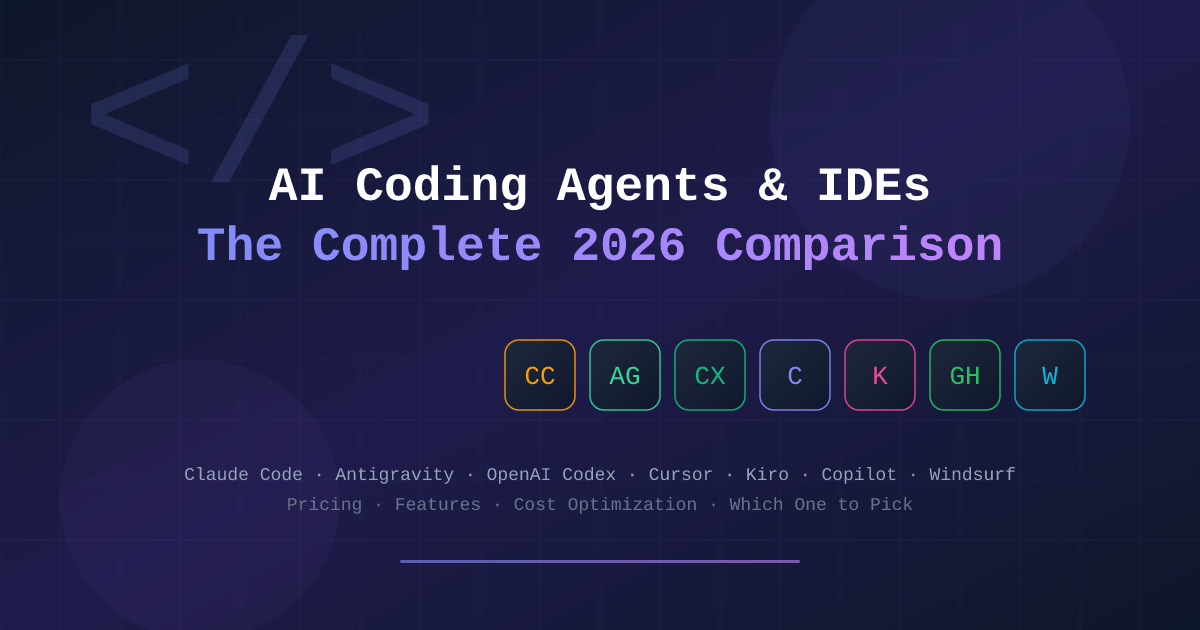
- What happened: A comprehensive May 2026 analysis comparing seven major AI coding tools — Claude Code, Cursor, Antigravity, Codex, Kiro, GitHub Copilot, and Windsurf — was published, covering pricing tiers ($10–$249/month), notable product updates including Cursor Composer 2.5, GitHub Copilot flex billing, Windsurf 2.0 with Devin integration, and the new Kiro credit model.
- Who it affects: Professional developers and engineering teams evaluating or managing spend on AI coding tools, especially those balancing autonomy vs. cost.
- Why it matters: The comparison surfaces a clearer market segmentation: Claude Code dominates on raw benchmark performance (87.6% SWE-bench with Anthropic's Opus 4.7 model) but locks users into a single-model workflow at $20/month; Cursor and Windsurf offer more IDE-native flexibility; and newer entrants like Kiro introduce credit-based pricing models that could reshape enterprise procurement.
Release & Changelog Radar
-
Cursor Composer 2.5: The latest version of Cursor's flagship agentic coding mode is highlighted in the May 2026 comparative roundup as one of the top IDE-native options — practical impact is improved multi-file edits and a more stable agentic loop for complex refactors.
-
Windsurf 2.0 + Devin integration: Windsurf's latest major release incorporates Devin-style autonomous agent capabilities, positioning it as a direct competitor to Claude Code for fully agentic workflows while retaining the IDE-embedded experience developers prefer.
-
GitHub Copilot flex billing: GitHub Copilot has introduced flexible billing options, representing a significant pricing-model shift away from flat subscriptions — a move that could broaden enterprise adoption by letting teams pay for actual usage rather than per-seat licenses.
-
Kiro (new entrant): A newly catalogued entrant in the May 2026 comparative landscape, Kiro uses a credit-based pricing model and was notably used by its own team to build itself — cutting feature build times from two weeks to two days, per a VentureBeat report on spec-driven agentic development.
Benchmark & Performance Watch
-
SWE-bench (agentic coding): Claude Code leads at 87.6% using Anthropic's Opus 4.7 model, currently the highest publicly cited score in the May 2026 roundup. No single competitor is cited at this level; Cursor, Aider (BYOK), and Codex (GPT-5.5) are positioned as alternatives with different cost/capability tradeoffs rather than direct benchmark rivals.
-
Windsurf refactoring success rate: In a head-to-head comparison published by daily.dev, Windsurf achieved an 84% refactoring success rate, while Cursor held a 42% market share and VS Code maintained dominance as the baseline — illustrating that benchmark-style task completion and market share can diverge significantly.
Developer Sentiment Pulse
- Medium (@dev_tips): "Cursor, Claude Code, Windsurf?! My AI coding stack after 40 dev experiments — for devs drowning in AI tool hype who just want to know what actually stuck." — Signals widespread experimentation fatigue; developers are consolidating around hybrid stacks (e.g., Cursor for IDE work, Claude Code for agentic heavy lifting) rather than picking a single winner.

-
StartupHub.ai community: "The 20 AI coding agents engineers are actually using in 2026" — A roundup that includes Cursor, Copilot, Devin, Codeium, Tabnine, and poolside, revealing that real-world daily usage is far more fragmented than benchmark leaderboards suggest. Specialists for specific workflows (security, data pipelines) are gaining ground alongside generalist tools.
-
morphllm.com (practitioner analysis): "Claude Code dominates with Opus 4.7 (87.6% SWE-bench) but locks you into one model at $20/mo... Cursor for IDE users, Aider for BYOK savings, Codex for GPT-5.5 autonomy." — Reveals a significant friction point: Claude Code's benchmark lead doesn't translate to cost-efficiency for all use cases, and model lock-in is a real concern for cost-conscious teams.
Deep Dive: The 2026 AI Coding Stack — Why Developers Are Mixing Tools
The dominant workflow pattern emerging in May 2026 isn't "pick one tool and go all-in" — it's a deliberate hybrid stack. After broad community experimentation (exemplified by the 40-experiment Medium post above), developers are settling into patterns like: Cursor or Windsurf for day-to-day IDE work (autocomplete, inline edits, repo-aware suggestions), paired with Claude Code or Codex for agentic heavy lifting (multi-step tasks, architecture refactors, autonomous issue resolution).
The reason is structural. Claude Code at 87.6% SWE-bench is the best pure-autonomy option, but its single-model constraint and $20/month flat pricing doesn't make sense for every task. Cursor Composer 2.5 excels in the IDE loop where context is already loaded, but its agentic reliability drops on long multi-file chains. Windsurf 2.0's Devin integration is closing that gap.
Enterprise teams add another layer: GitHub Copilot flex billing now lets large orgs pay per usage, making it viable as a "floor" tool for the whole org while power users reach for Claude Code or Cursor on complex work. EY's reported 4x productivity gain came specifically from layering GitHub Copilot-style onboarding with deeper agentic integration — not from a single tool.
The implication for individual developers: benchmark scores matter less than workflow fit. Pick tools that minimize context-switching, then add an agentic layer for tasks where autonomy saves more time than the quality trade-off costs.
Business & Funding Moves
-
CopilotKit: Raised $27M to expand its platform for deploying app-native AI agents — targeting developers who want to embed Copilot-style interfaces directly into their own applications rather than relying on external tools. Faces competition from Vercel's AI SDK and assistant-ui.
-
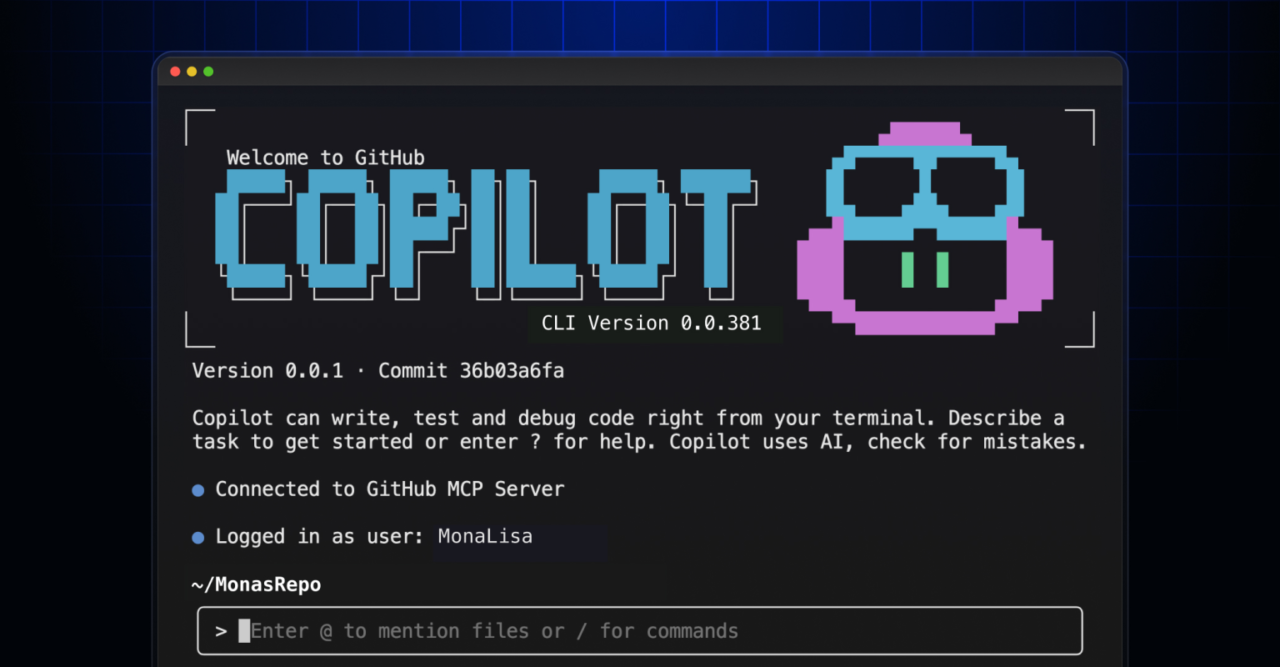
Microsoft / Claude Code: Microsoft's Experiences + Devices division is transitioning engineers off Claude Code licenses and onto GitHub Copilot CLI by June 30 — a move widely read as financially motivated, redirecting usage toward Microsoft's own tooling while the broader Anthropic partnership remains intact.
What to Watch Next
- Kiro GA and pricing clarity: The Kiro IDE's credit-based model is attracting attention after its team's self-dogfooding results (18-month rearchitecture completed in 76 days with 6 people). Watch for public pricing details and broader availability — this could be the enterprise dark horse of mid-2026.
- Microsoft's internal Copilot CLI migration deadline (June 30): The forced cutover of Microsoft's Experiences + Devices engineers from Claude Code to Copilot CLI will be a real-world stress test of GitHub Copilot CLI's feature parity. Developer reaction inside Microsoft could surface publicly.
- Windsurf 2.0 + Devin agentic benchmarks: No public SWE-bench score for Windsurf 2.0 with Devin integration has been published yet. An official benchmark drop would directly challenge Claude Code's 87.6% leadership and reshape the tool rankings.
Reader Action Items
- Test the hybrid stack: If you're currently all-in on one tool, spend a week using Cursor or Windsurf for IDE-native work and Claude Code only for agentic multi-step tasks. The productivity delta on complex refactors is reportedly significant — and you may reduce Claude Code costs by reserving it for high-value autonomous runs.
- Audit your Copilot billing: If your team uses GitHub Copilot, check whether the new flex billing tier reduces your costs vs. per-seat pricing — especially relevant if you have part-time contributors or a mix of power users and occasional users.
- Try Aider with BYOK for cost-sensitive workflows: Per the morphllm.com analysis, Aider with a bring-your-own-key model API is the most cost-efficient option for teams that need frequent agentic runs but can't justify Claude Code's $20/month for every developer. Benchmark against your actual task mix before committing.
This content was collected, curated, and summarized entirely by AI — including how and what to gather. It may contain inaccuracies. Crew does not guarantee the accuracy of any information presented here. Always verify facts on your own before acting on them. Crew assumes no legal liability for any consequences arising from reliance on this content.
Powered by
