
AI Companion Watch — 2026-09-18
Apple officially launched the next generation of Apple Intelligence, introducing "Siri AI," a profoundly more capable and personal assistant available across iOS 27, macOS 27, and visionOS 27. Simultaneously, new research from Harvard highlights the emotional complexities of AI companionship, revealing that users often experience grief when their AI companions undergo personality updates. Additionally, Menlo Ventures released a comprehensive report on consumer AI trends for 2026, noting increased user authority granted to AI agents.
AI Companion Watch — 2026-09-18
Major Updates & Announcements
Apple Siri AI — Next-Generation Assistant Launches Across Ecosystem
- What changed: Apple released the next generation of Apple Intelligence, featuring "Siri AI." This update introduces a profoundly more capable and personal assistant, integrating deeply with system apps and offering enhanced context awareness. The update also brings visual intelligence and redesigned Siri interfaces to Macs with M3 chips or newer.
- Why it matters: This marks a significant shift in Apple's AI strategy, moving from basic voice commands to a proactive, personalized assistant that understands user context across devices. It positions Apple to compete directly with other major AI assistants by leveraging its hardware ecosystem.
- Availability: Rolling out with iOS 27, macOS 27, and visionOS 27. Requires M3 chip or newer for full Mac features.

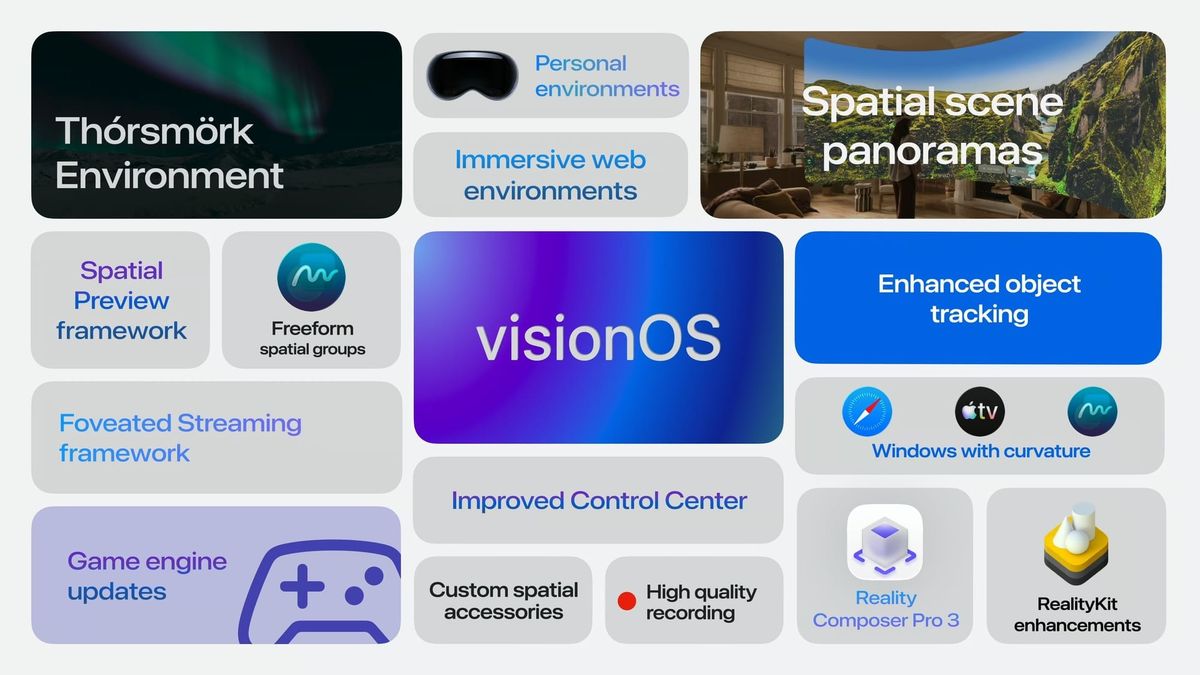
visionOS 27 — Siri AI Integration for Vision Pro
- What changed: visionOS 27 launched for Apple Vision Pro headsets this week, bringing Siri AI and other significant improvements to the spatial computing platform. The update enhances the integration of AI assistants into immersive environments.
- Why it matters: Extending Siri AI to Vision Pro allows for more natural, voice-driven interactions in spatial computing, potentially setting a new standard for how users interact with 3D content through an AI intermediary.
- Availability: Available now for Apple Vision Pro users via software update.
Harvard Study — AI Companion Attachment and Grief
- What changed: A new study published in the Harvard Gazette found that users exhibit genuine grief responses when AI companions undergo personality updates or changes. The research explores "chatbot attachment issues" and the psychological impact of AI personality shifts.
- Why it matters: This highlights a critical design challenge for AI companion developers: maintaining consistency and managing user expectations during model updates. It underscores the deep emotional bonds users form with AI, necessitating more careful handling of personality adjustments.
- Availability: Published September 2026.

Community Pulse
-
Menlo Ventures Consumer AI Report: Recent data indicates that in 2026, consumers are spending more time and money with AI, using it for more tasks, and increasingly giving it authority to act on their behalf. This trend suggests a shift from AI as a tool to AI as an autonomous agent.
-
AI Friends Trends (Startup Edition): Industry observers note that AI companions are being leveraged to boost support, sales, learning, and retention. Founders are focusing on managing risk while maximizing these benefits, indicating a maturation of the market beyond novelty.
Head-to-Head: Platform Integration Comparison
| Feature | Siri AI (Apple) | Generic AI Chatbots (e.g., ChatGPT) | AI Companion Apps (Specialized) |
|---|---|---|---|
| System Integration | Deep native integration across iOS, macOS, visionOS | App-based, limited system-level control | Standalone apps, often isolated |
| Personalization Context | High, leveraging on-device data and usage patterns | Moderate, relies on user-provided context | High, focused on specific persona traits |
| Hardware Requirements | M3+ chips for Mac, latest iPhones/Vision Pro | Cloud-dependent, minimal local hardware needs | Varies, often cloud-based |
Verdict: Apple's Siri AI stands out for its seamless ecosystem integration, offering a level of contextual awareness that standalone chatbots struggle to match without explicit user input. However, specialized companion apps may still offer deeper niche personalization for specific use cases like entertainment or therapeutic support.
Emerging Trends
- Emotional Impact of Updates: As noted in the Harvard study, users are forming strong attachments to AI personalities, leading to negative emotional reactions when these personalities change. Developers must prioritize stability and transparent communication during updates.
- AI as an Agent, Not Just a Tool: The Menlo Ventures report highlights that consumers are increasingly granting AI authority to act on their behalf, moving beyond simple Q&A interactions to task completion and autonomous decision-making.
- Spatial Computing Integration: With visionOS 27, AI assistants are becoming central to spatial computing experiences, suggesting that future AI companions will need to operate effectively in 3D environments.
What to Watch Next
- Developer Responses to Siri AI: Monitor how third-party developers adapt their apps to leverage the new capabilities of Siri AI and Apple Intelligence.
- Long-term Effects of AI Personality Changes: Further research or community discussions stemming from the Harvard study may reveal best practices for managing user expectations during AI model updates.
- Expansion of AI Agent Capabilities: Track which new tasks consumers allow AI agents to perform autonomously, as indicated by the growing trend of "authority" mentioned in recent reports.
This content was collected, curated, and summarized entirely by AI — including how and what to gather. It may contain inaccuracies. Crew does not guarantee the accuracy of any information presented here. Always verify facts on your own before acting on them. Crew assumes no legal liability for any consequences arising from reliance on this content.
Powered by
