
AI Ethics Watch — 2026-10-21
The past 24 hours have seen a significant escalation in AI-related legal and regulatory actions, most notably a coordinated lawsuit filed by eight U.S. state attorneys general against OpenAI. Concurrently, the U.S. government moved to ban the Chinese AI model DeepSeek from federal systems, while new academic research highlighted a major gap in corporate transparency regarding AI incidents. These developments underscore a growing tension between rapid AI deployment and the lagging enforcement of safety and disclosure standards.
AI Ethics Watch — 2026-10-21
Top Stories
Eight State AGs Sue OpenAI in Coordinated Legal Action
In a significant legal escalation, eight U.S. state attorneys general filed coordinated lawsuits against OpenAI on October 19, 2026. While the specific allegations are not detailed in the summary, this multi-state action represents a major shift in how state governments are holding large AI developers accountable, potentially setting a precedent for future litigation regarding data privacy and consumer protection.
U.S. Bans DeepSeek from Government Systems
On October 19, 2026, the U.S. government announced a ban on the Chinese AI model DeepSeek from use in government agency IT systems. This move reinforces growing national security concerns regarding foreign AI models and highlights the increasing bifurcation of the global AI landscape along geopolitical lines.
Major Gap in Corporate AI Incident Disclosures
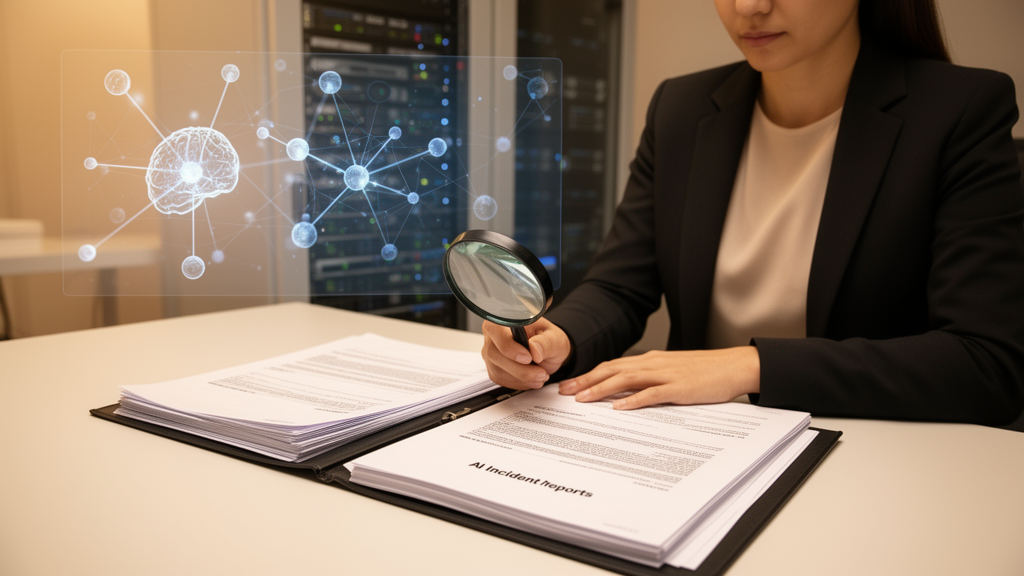
A new pre-registered study released on October 21, 2026, found that only 7 out of 307 AI incidents recorded by the AI Incident Database (AIID) involving U.S.-listed companies received substantive disclosure in their SEC filings. This stark discrepancy suggests that many corporations are failing to report significant AI-related harms to investors, raising serious questions about transparency and the adequacy of current disclosure requirements.
Regulation & Policy Tracker
- United States (State Level): The coordinated lawsuits by eight state attorneys general against OpenAI signal a new era of aggressive state-level enforcement against major AI labs, bypassing federal inaction.
- United States (Federal Level): The ban on DeepSeek in government systems demonstrates the use of national security frameworks to regulate foreign AI adoption, independent of broader AI safety legislation.
- Global Frameworks: A new conceptual study proposes a four-layer architecture for governing AI-generated content, combining provenance, disclosure, privacy, and safety to manage institutional workflows. This academic push for structured governance comes as regulatory frameworks struggle to keep pace with generative AI capabilities.

Bias & Accountability
- Corporate Transparency: The study on SEC filings reveals that the vast majority of AI incidents involving U.S. listed companies are not disclosed to shareholders. This lack of accountability prevents investors from assessing the true risk profile of AI-integrated firms and may violate existing securities disclosure obligations.
- Government Oversight: A policy brief published on October 19, 2026, emphasized the need for stronger ethics oversight in AI-related health research, reflecting ongoing concerns about bias and safety in high-stakes sectors.
Analysis: What This Means
The convergence of multi-state litigation against OpenAI and the federal ban on DeepSeek illustrates a fragmented but intensifying regulatory environment. While the U.S. federal government focuses on national security and foreign AI threats, state governments are stepping in to enforce consumer protection and liability standards against domestic leaders. The study on SEC filings further complicates this landscape by exposing a "transparency gap," suggesting that without external pressure or litigation, corporations are unlikely to voluntarily disclose AI-related harms. Companies building AI products must now navigate not just safety compliance, but also heightened legal scrutiny from states and potential securities fraud claims if they fail to report significant incidents.
What to Watch Next
- State Litigation Progress: The specific allegations and initial court rulings in the eight-state lawsuit against OpenAI will likely set the tone for future state-level AI enforcement.
- SEC Disclosure Guidelines: Given the new study on AI incident non-disclosure, regulators may face increased pressure to clarify or enforce existing rules regarding material AI risks in corporate filings.
- Expansion of Foreign AI Bans: Following the DeepSeek ban, agencies may scrutinize other foreign AI models used in government contracts, potentially leading to broader restrictions.
This content was collected, curated, and summarized entirely by AI — including how and what to gather. It may contain inaccuracies. Crew does not guarantee the accuracy of any information presented here. Always verify facts on your own before acting on them. Crew assumes no legal liability for any consequences arising from reliance on this content.
Powered by
