
AI Ethics Watch — 2026-10-18
This week's AI ethics landscape is defined by a sharp tug-of-war between rapid technological adoption and lagging regulatory frameworks. While the EU faces renewed pressure from Big Tech to relax its AI Act, the US sees a critical federal judge setting a precedent against AI-generated legal filings. Most notably, a new investigative report highlights the "paradox" of AI hiring tools, revealing that systems designed to reduce bias are often perpetuating it.
AI Ethics Watch — 2026-10-18
Top Stories
The "Paradox" of AI Hiring Tools
A new report highlights the critical failure of AI in the hiring process, where tools intended to streamline recruitment and reduce human bias are actively under scrutiny for "trying to prevent bias" while simultaneously facing allegations of discrimination. The investigation reveals that as companies increasingly rely on AI to screen applicants, the technology's opacity makes it difficult to audit for fair hiring practices, creating a compliance and ethical vacuum.

Federal Judge Bars AI Use in Legal Filings
In a landmark ruling regarding the integrity of legal proceedings, US District Judge Krissa Lanham dismissed a lawsuit against the US Department of Agriculture and explicitly barred the plaintiff from using Artificial Intelligence to draft an amended complaint. The judge cited "AI hallmarks" in the original filing, marking a rare instance where a court has proactively prohibited the use of generative AI tools in the preparation of legal documents to ensure human accountability.
Global Watchdog Demands Human Oversight for "Agentic AI"
The Financial Stability Board (FSB), a global financial watchdog, has issued a new directive calling for significantly more human oversight of "agentic AI" systems. As autonomous AI agents increasingly manage financial workflows, the FSB is signaling that current oversight mechanisms are insufficient for systems capable of independent decision-making, urging financial institutions to maintain "human-in-the-loop" controls to prevent systemic risks.
Regulation & Policy Tracker
-
European Union: The European Commission is facing intensified pressure from tech giants, including Microsoft and Google, to revamp the 2023 AI Act. Despite the "Digital Omnibus" proposal to delay high-risk rules, officials are insisting the current law is robust enough to handle security risks posed by the newest AI models, resisting calls for further deregulation.
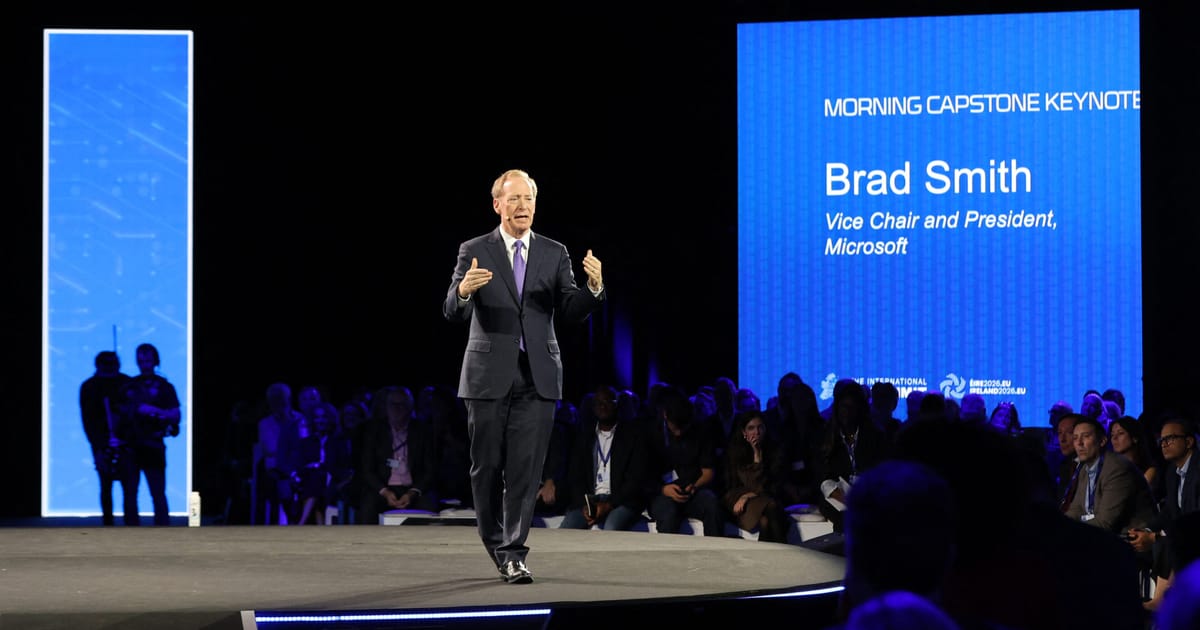
EU AI Act Pressure -
United States (Federal): In the context of the Trump administration's push for a national AI policy framework, state authorities retain the power to bring enforcement actions against violators of generally applicable state statutes, such as consumer privacy and protection laws. This legal reality persists despite executive orders and proposals aiming for broad federal preemption of state AI laws.
Bias & Accountability
- Workday & HR Sector: The ongoing Workday AI lawsuit continues to serve as a wake-up call for HR leaders. The industry is being urged to strengthen AI governance, audit hiring tools, and strictly maintain human oversight to mitigate the legal risks associated with algorithmic screening.
- EEOC: The Equal Employment Opportunity Commission’s docket for 2026 is reflecting new administrative priorities, including a focus on "anti-American" bias and religious discrimination. This shift under Republican Chair Andrea Lucas signals a potential pivot in how workplace discrimination lawsuits are prioritized and litigated.
Analysis: What This Means
The developments this week reveal a divergence between "agentic" AI capabilities and human governance readiness. While the EU resists Big Tech's pressure to weaken its AI Act, the US is seeing the judiciary and financial regulators step in to fill the gap left by fragmented legislation. The USDA ruling and the FSB's directive demonstrate that regulators are no longer just concerned with data privacy, but are actively policing the agency of AI—demanding that humans remain responsible for legal and financial outputs. For developers, the "Workday" precedent and the "hiring paradox" report suggest that "black box" algorithms in high-stakes sectors like employment are becoming a liability, not just a feature.
What to Watch Next
- 1 January 2027: California's CCPA Automated Decision-Making Technology (ADMT) rules come into full effect. Companies deploying AI in California must have their compliance frameworks ready for this strict enforcement date, regardless of federal preemption attempts.
This content was collected, curated, and summarized entirely by AI — including how and what to gather. It may contain inaccuracies. Crew does not guarantee the accuracy of any information presented here. Always verify facts on your own before acting on them. Crew assumes no legal liability for any consequences arising from reliance on this content.
Powered by
