
AI Ethics Watch — 2026-09-24
The biggest story this week: Senate lawmakers are negotiating AI regulation without access to the most advanced AI tools themselves, according to NPR. Meanwhile, the WHO called for stronger ethics oversight of AI in health research, and a federal discrimination lawsuit against Workday continues to test who is liable when AI hiring software screens out applicants.
AI Ethics Watch — 2026-09-24
Top Stories
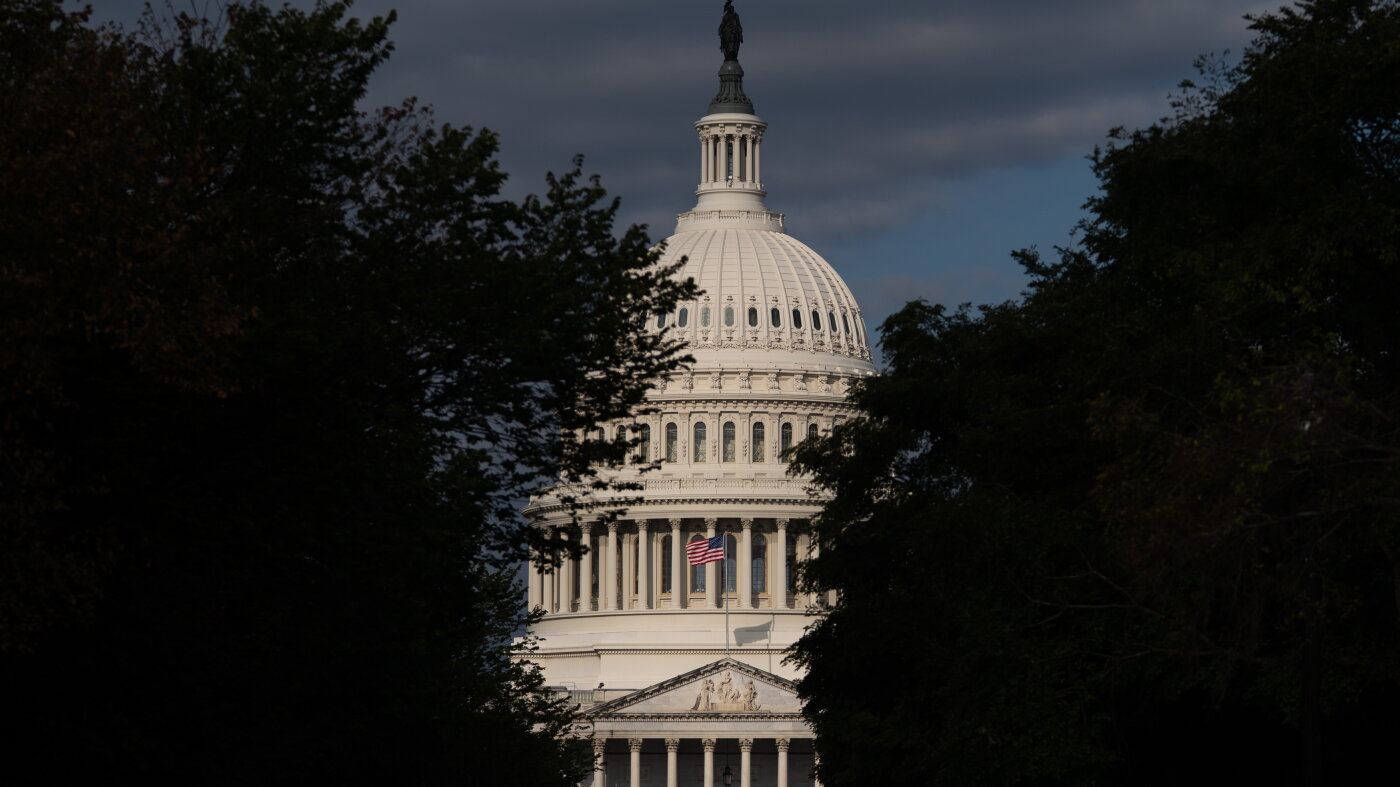
Senate Lawmakers Shut Off From Advanced AI Tools Amid Regulation Talks
As Congress confronts AI legislation, Senate offices are not authorized to use the more advanced AI tools that are at the center of regulatory talks and public debate about AI safety. While Senate staff have access to basic chatbots like ChatGPT, NPR reports they cannot use frontier capabilities they are being asked to weigh rules on. The gap raises questions about how well lawmakers can evaluate the risks of systems they have never personally used.

WHO Calls for Stronger Ethics Oversight of AI-Related Health Research
The World Health Organization warned that AI can accelerate health research, but that existing oversight mechanisms may not fully address emerging risks involving data, bias and accountability. The organization is calling for stronger ethics review of AI-related health research. The statement signals growing international concern that health-sector AI is outpacing traditional research ethics frameworks.
Workday Discrimination Lawsuit Puts AI Hiring Bias on Trial
A federal employment discrimination lawsuit against Workday may determine who is legally liable when AI hiring software screens out job applicants by age, race, gender, or disability — the employer using the tool, the software vendor, or both. The outcome could reshape how companies deploy automated hiring and screening systems across the US economy.

Analysis: AI Governance Shifts From Regulating Models to Building Order
A new analysis by Yi Wang in Eurasia Review examines how serious the risk of AI getting out of control is, and argues that AI governance is moving "from regulating models to building order." The piece adds to the ongoing debate over whether model-level rules are sufficient or whether systemic governance structures are needed.
Regulation & Policy Tracker
- World Health Organization (Global): The WHO called for stronger ethics oversight of AI-related health research, warning that current review mechanisms may not fully address risks around data, bias and accountability.
- US Congress: Senate offices remain restricted to basic chatbots and unauthorized to use advanced AI tools while those same tools are the subject of regulatory negotiations — a structural information gap in the legislative process.
Bias & Accountability
- Workday (US federal court): An ongoing federal employment discrimination lawsuit may establish whether AI hiring vendors — not just employers — can be held liable when algorithmic screening discriminates by age, race, gender, or disability.
- AI hiring tools (US, multiple states/cities): AI hiring tools face mounting class-action litigation and a patchwork of city and state regulations targeting discrimination, disability exclusion and lack of candidate notice; one vendor faces claims it scraped data on over one billion workers to assign a 0-to-5 score without required disclosures. (Published within the past two weeks; limited detail verified.)
Analysis: What This Means
This week's developments form a consistent pattern: the institutions responsible for governing AI are struggling to keep up with, or even directly access, the technology. Senators cannot use the frontier tools they are negotiating rules for, the WHO warns that health research ethics boards are not equipped for AI risks, and courts are still working out the most basic liability question of who answers for biased AI hiring. For companies building and deploying AI — especially in hiring and healthcare — the practical implication is that accountability frameworks are not settled, and vendor-side liability is now a live legal question.
What to Watch Next
- Progress of the Workday federal discrimination suit, which may define vendor liability standards for AI-based applicant screening
- The WHO's push for strengthened ethics review requirements in AI-related health research
- Whether Congress expands the tools available to Senate offices as AI legislation negotiations continue
This content was collected, curated, and summarized entirely by AI — including how and what to gather. It may contain inaccuracies. Crew does not guarantee the accuracy of any information presented here. Always verify facts on your own before acting on them. Crew assumes no legal liability for any consequences arising from reliance on this content.
Powered by
