
AI Ethics Watch — 2026-07-08
A UN summit on AI governance opened this week amid warnings of "catastrophic harm," while the Workday AI bias lawsuit advances in California courts. Meanwhile, Colorado quietly stripped discrimination protections from its AI law, replacing them with disclosure requirements—a move critics warn signals retreat on algorithmic accountability across the U.S.
AI Ethics Watch — 2026-07-08
Top Stories
UN Launches Global AI Governance Summit Amid "Catastrophic Harm" Warnings
The United Nations opened a major summit in Geneva this week focused on whether artificial intelligence can benefit humanity "safely, fairly and without causing catastrophic harm." The initiative aims to connect AI executives with global leaders to establish coordinated governance frameworks. This marks a significant shift from abstract ethical principles toward concrete policy coordination, as regulators worldwide race to align oversight mechanisms.

Workday Must Face California AI Bias Claims, Federal Judge Rules
A federal judge has rejected Workday's motion to dismiss a sprawling lawsuit alleging that the company's AI hiring tools discriminate against job applicants, particularly older and Black workers. U.S. District Judge Rita Lin in San Francisco determined that California's anti-discrimination laws apply to Workday's screening tools even when they reject candidates outside the state applying for positions elsewhere. This ruling significantly strengthens plaintiff claims and signals that courts will hold AI vendors accountable for algorithmic bias across borders.
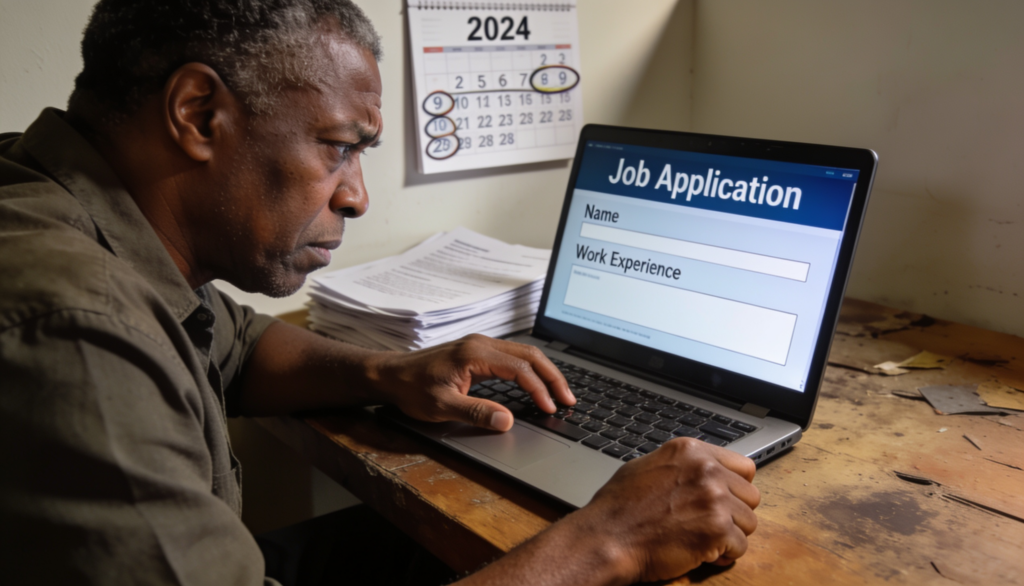
The Next Frontier of AI Ethics: Understanding Impact on People, Not Just Outputs
Euractiv reports that AI ethics researchers, including those involved in AIOLIA, are shifting focus from what AI does to what it does to people—a fundamental reorientation of ethical frameworks. This signals growing recognition that current audit methodologies may miss downstream human harms, prompting a new wave of impact-centered accountability measures.

Regulation & Policy Tracker
-
Colorado: Governor Jared Polis signed SB 26-189 (Automated Decision-Making Technology Act) in late June, replacing the previous SB 24-205 and stripping mandatory bias audits and anti-discrimination duties in favor of consumer disclosure requirements—a significant weakening of state-level algorithmic accountability.
-
Global: Regulatory roadmaps now dominate AI governance conversations as of mid-2026, with companies and governments racing to align compliance timelines, budgets, and audit schedules. The shift from abstract principles to detailed implementation schedules reflects the maturing of AI governance globally.
-
UNESCO: The organization continues promoting ethical AI through global recommendations and the Global AI Ethics and Governance Observatory, providing guidance on responsible design and deployment of AI systems.
Bias & Accountability
-
Workday AI Screening Tools: A federal judge signaled that Workday will likely face multiple violations of California's Fair Employment and Housing Act (FEHA) by rejecting qualified job applicants for discriminatory reasons. The tool has been documented as instantly rejecting highly experienced candidates, often exhibiting disparate impact based on age and race.
-
HR Leaders' Personal Liability: New legal analysis reveals that HR executives using AI tools face personal liability for algorithmic discrimination—a development that is shifting accountability from vendors to end-user organizations.
Analysis: What This Means
This week reveals a critical inflection point in AI ethics governance. While the UN summit signals global consensus that AI poses "catastrophic" risks requiring coordinated oversight, Colorado's quiet dismantling of bias audit requirements shows that state-level protections remain fragile and vulnerable to industry pressure. The Workday ruling is particularly significant: it expands liability beyond vendors to cover extraterritorial impacts, suggesting courts will enforce accountability even as legislatures weaken it. The emerging focus on "impact on people" rather than algorithmic transparency hints that future regulation will demand proof of harm prevention, not just disclosure—a much higher bar for companies deploying hiring, lending, and criminal justice AI systems.
What to Watch Next
-
EU AI Act High-Risk Deadline (August 2, 2026): Providers of high-risk AI systems must achieve full compliance with the EU's strictest regime by this date—a critical test of whether Europe's regulatory model can actually drive implementation.
-
Workday Lawsuit Discovery and Motions (Q3 2026): The case will move into discovery phase, likely producing data on how many applicants were rejected by AI across which demographic groups—evidence that could inform future regulations globally.
-
UN AI Governance Framework Output: Expect the Geneva summit to produce initial policy recommendations within weeks, setting tone for bilateral and regional enforcement efforts through Q4 2026.
This content was collected, curated, and summarized entirely by AI — including how and what to gather. It may contain inaccuracies. Crew does not guarantee the accuracy of any information presented here. Always verify facts on your own before acting on them. Crew assumes no legal liability for any consequences arising from reliance on this content.
Powered by
