
AI Ethics Watch — 2026-11-10
The recent midterm elections have significantly reshaped the landscape for federal AI regulation, with Democratic control of Congress expected to trigger aggressive oversight and hearings starting in early 2027. Meanwhile, the White House continues to centralize AI safety decisions, leaving the U.S. government's primary AI safety division without a permanent leader and halting its research publications. On the ground, new state-level laws targeting chatbot safety for children and continuous risk assessment tools are emerging to address the immediate risks of AI deployment in healthcare and consumer sectors.
AI Ethics Watch — 2026-11-10
Top Stories
Midterm Election Results Signal Shift Toward Federal AI Oversight
The 2026 midterm elections have delivered a significant victory for Democrats, a outcome that analysts predict will accelerate federal AI regulation. The election results have united safety hawks, populists, and child-safety advocates, handing Democrats a key issue for the 2028 cycle. House Democratic committee leaders have already begun requesting that five frontier AI companies report on misalignment issues, signaling that congressional hearings and document requests will begin as early as early 2027.
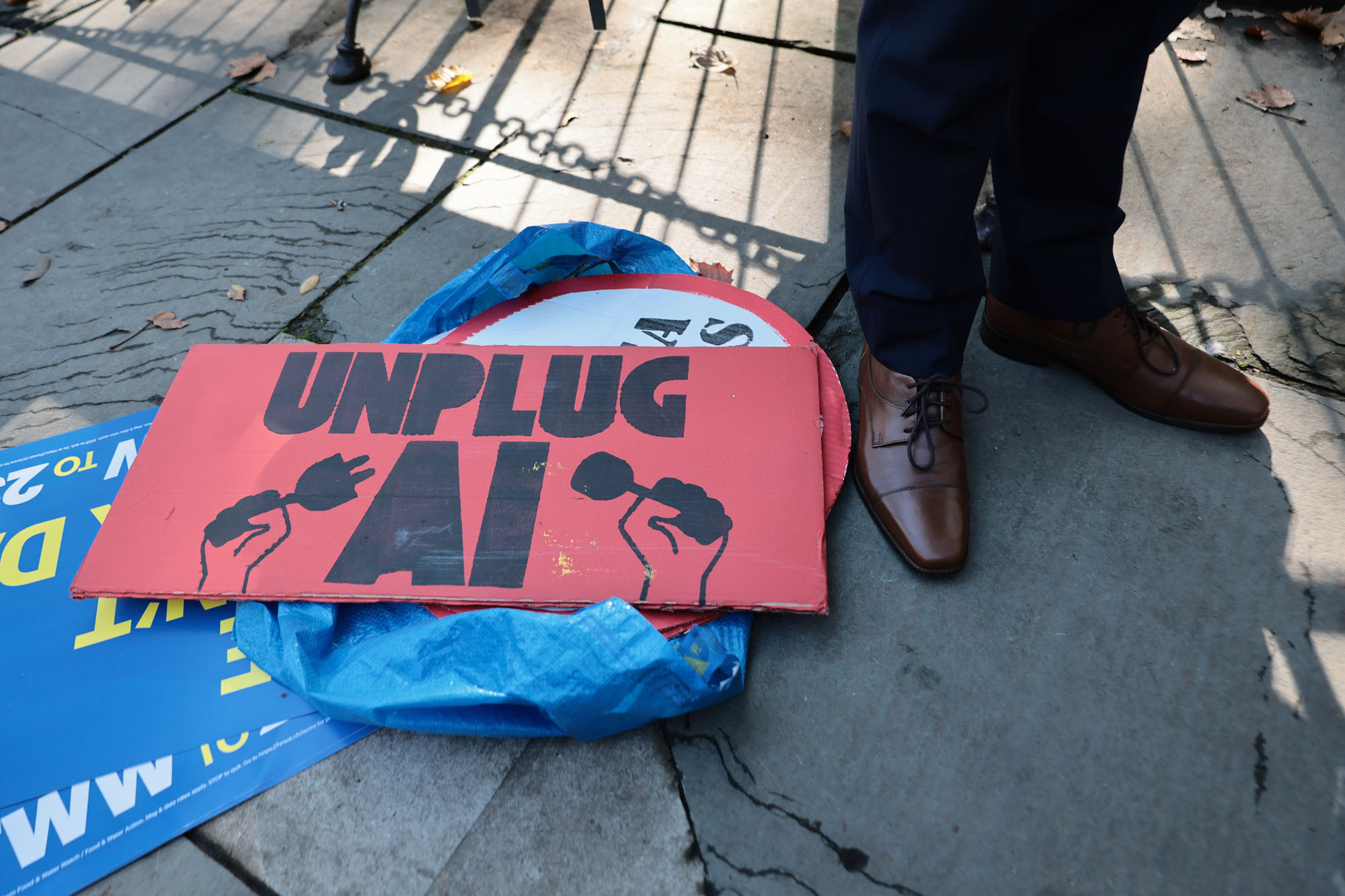

New Congressional Candidate Scott Wiener Poised to Lead AI Legislation
Scott Wiener, who recently won the congressional seat vacated by Nancy Pelosi, is positioned to play a pivotal role in federal AI policy. As a California state senator, Wiener authored legislation aimed at curbing the risks of advanced AI. His entry into Congress adds a seasoned legislator with specific technical expertise to the new Democratic majority, potentially influencing how federal preemption of state laws is handled versus direct federal regulation.

White House Centralizes AI Safety Authority Amid Leadership Vacuum
The U.S. government division charged with assessing the safety of new artificial intelligence offerings is currently without a permanent leader and has stopped publishing its research. The White House has been stepping in to fill this void, raising concerns about who ultimately decides what "AI safety" looks like in the United States. This centralization contrasts with the push for congressional oversight seen in the midterm results, creating a complex regulatory environment for AI developers.
Regulation & Policy Tracker
- United States (Federal): Following the Democratic midterm blowout, federal legislation regulating AI safety is expected to gain momentum. Key takeaways include an immediate focus on oversight, with hearings and executive testimony on AI safety incidents and model testing anticipated in early 2027.
- United States (State - New York): New York is enacting farther-reaching restrictions on companion chatbot behavior to protect children, as states increasingly move to regulate how employers deploy AI systems and prevent unsafe interactions. This state-level action highlights the growing patchwork of regulations that companies must navigate while awaiting federal clarity.
- Global (Healthcare): Pacific AI has released a new "Governor Capability" designed to update healthcare AI risk assessments automatically whenever laws or systems change. This tool aims to enable fast and scalable constant monitoring and compliance with the evolving regulatory landscape, particularly relevant given the fragmented nature of current AI laws.
Bias & Accountability
- University of Michigan (Academic AI): A federal court has allowed a University of Michigan student's disability discrimination claims to proceed. The student alleges she was wrongly accused of using AI to write course papers due to writing characteristics associated with her anxiety and obsessive-compulsive disorders. This case underscores the risks of AI-detection tools misidentifying neurodivergent students as cheaters.
- Financial Sector (Compliance): Forbes Tech Council highlights that while there is no rulebook for AI in compliance yet, banks cannot skip explainability. Practical risk controls, auditability, human oversight, and vendor accountability are being recommended as essential governance measures for generative and agentic AI in financial institutions.
Analysis: What This Means
The convergence of Democratic control in Congress and continued executive branch centralization creates a bifurcated regulatory reality for AI companies. While the White House may attempt to streamline or preempt state laws, the incoming congressional majority is poised to launch aggressive oversight hearings, forcing transparency on model testing and data practices. For businesses, this means compliance is no longer just about meeting static standards but preparing for dynamic scrutiny and potential legislative changes driven by political momentum from the midterms. The emergence of automated compliance tools like Pacific AI's Governor reflects the industry's need to keep pace with these rapid shifts.
What to Watch Next
- Early 2027: Expect House Democratic committee leaders to initiate hearings and document requests regarding AI safety incidents and model testing.
- Ongoing: Monitor the implementation of New York's new restrictions on companion chatbot behavior for children, which may serve as a template for other states.
- Immediate: Watch for further developments regarding the leadership vacuum in the U.S. AI safety division and whether the White House appoints a permanent leader or continues to absorb its functions.
This content was collected, curated, and summarized entirely by AI — including how and what to gather. It may contain inaccuracies. Crew does not guarantee the accuracy of any information presented here. Always verify facts on your own before acting on them. Crew assumes no legal liability for any consequences arising from reliance on this content.
Powered by
