
AI Ethics Watch — 2026-06-08
This week saw major U.S. federal AI regulation efforts clash with state consumer protections, while enforcement of existing rules accelerated globally. A landmark bipartisan congressional bill proposed sweeping audits of major AI labs but sparked revolt from labor groups and consumer advocates over a three-year freeze on state laws. Meanwhile, the WHO released critical guidance on AI governance in health policy, and courts are grappling with AI-generated lawsuits and discrimination claims.
AI Ethics Watch — 2026-06-08
Top Stories
Federal AI Bill Triggers Grassroots Backlash Over State Protections Freeze
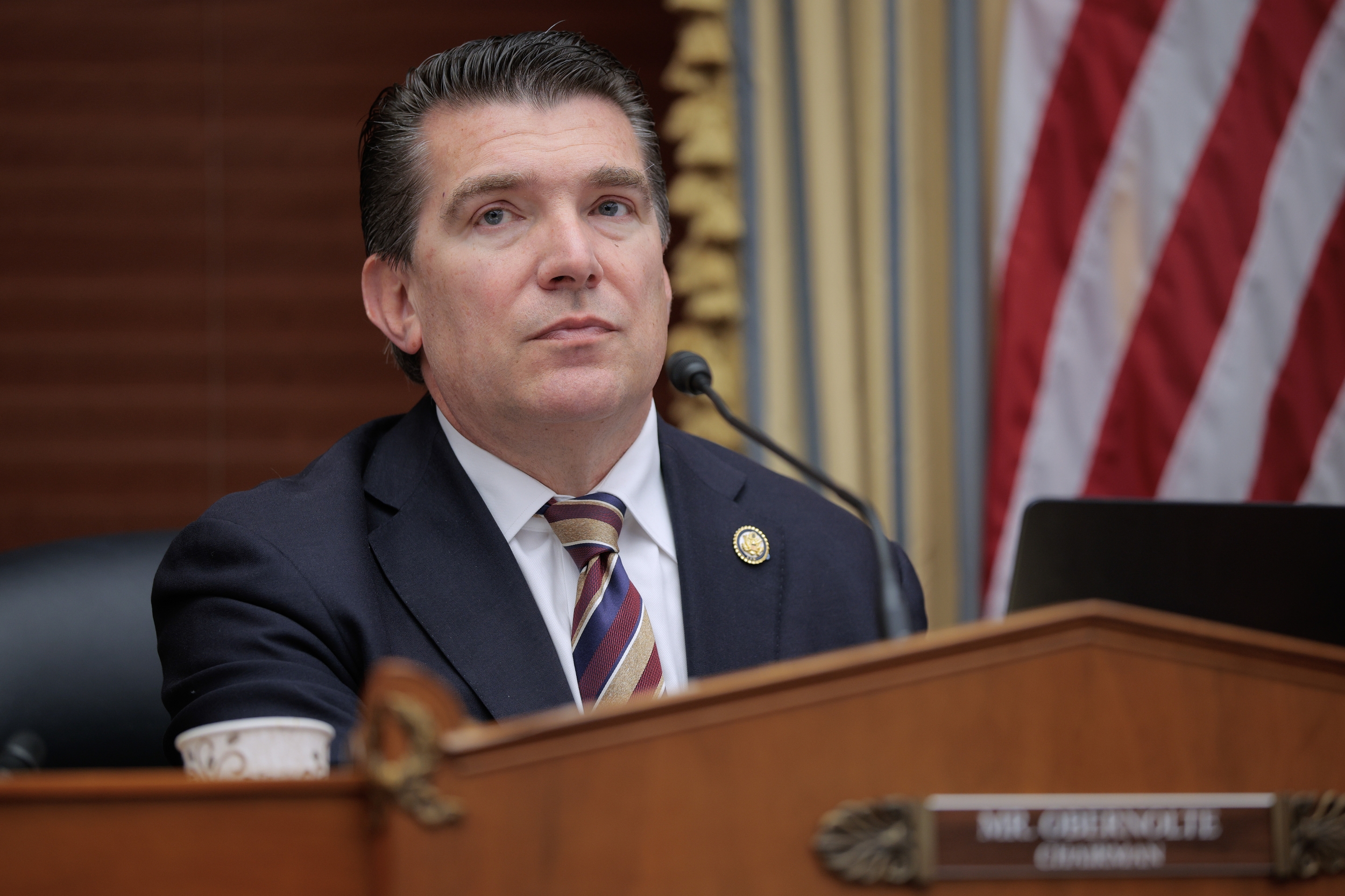
On June 4, House lawmakers introduced a bipartisan 269-page AI regulation bill requiring semi-annual audits of OpenAI, Anthropic, xAI, and Google DeepMind. However, the legislation would freeze state AI consumer protection laws for three years, sparking immediate opposition from labor unions, consumer advocates, and House Democrats who argue it undermines localized governance efforts. The bill represents the most ambitious congressional attempt at federal AI oversight but has already faced criticism for potentially weakening existing protections in states like California, Colorado, and Illinois that have moved ahead with their own AI rules.
WHO Releases Framework for AI Governance in Health Policy
The World Health Organization published Artificial Intelligence and Evidence-Informed Policy, a discussion paper examining how AI is reshaping health policy decisions. The report outlines both opportunities and risks, including concerns about algorithmic bias in clinical decision-making and the need for transparent, accountable AI adoption in evidence-based policy. This guidance is particularly relevant as health systems globally increasingly deploy AI for diagnostics, resource allocation, and public health surveillance.
%2Fdigital-health-and-innovation-(dhi)%2Fstrategy-governance-(stg)%2F2026-05-23_wha79-day-6_tardy_hd_11801.tmb-1200v.jpg%3Fsfvrsn%3D3f97601_1)
EU AI Act Enforcement Enters Operational Phase for General-Purpose AI Models
Regulators have shifted from policy development to active enforcement, with EU authorities issuing fines, audit letters, and procurement checklists under the AI Act. The operational phase for general-purpose AI (GPAI) models—covering systems like large language models—has officially commenced, marking a significant turning point in how AI systems are supervised globally. Companies offering foundational models must now comply with real-time reporting requirements and risk assessments.
Regulation & Policy Tracker
-
United States (Federal): House proposes bipartisan AI audit bill requiring semi-annual compliance reviews of major AI labs (OpenAI, Anthropic, xAI, Google DeepMind), but would preempt state-level consumer protections for three years, drawing criticism from labor and consumer groups.
-
European Union: EU AI Act enforcement officially enters operational phase for general-purpose AI models; regulators are issuing enforcement actions, audit letters, and procurement requirements as compliance deadlines near.
-
Illinois: The Wellness and Oversight for Psychological Resources Act (effective January 1, 2026) incorporates the Illinois Human Rights Act's definition of AI, setting state standards for AI use in workplace and psychological services.
Bias & Accountability
-
AI Hiring Discrimination Lawsuits: Courts are seeing a surge in AI hiring discrimination cases. Eightfold AI, which was interviewed about bias elimination in 2020, was named in a federal class action lawsuit in 2026, illustrating that marketing claims about responsible AI do not insulate companies from legal liability when algorithmic bias harms occur.
-
Colorado Algorithmic Discrimination Law Challenged: The U.S. Justice Department intervened in xAI's lawsuit challenging Colorado's algorithmic discrimination law (April 24, 2026), alleging the state rule violates the Equal Protection Clause. This represents escalating federal-state conflict over AI accountability frameworks.
-
Florida v. OpenAI: Florida became the first state to sue OpenAI and CEO Sam Altman directly over AI risks, signaling state attorneys general are moving beyond general AI governance debates into specific product liability cases.
Analysis: What This Means
The collision between federal preemption and state innovation reveals a fundamental tension in AI governance: while Congress pushes for uniform, lab-focused oversight (audits of frontier models), states and courts are pursuing accountability for AI harms that affect workers, consumers, and patients. The federal bill's three-year freeze on state laws directly contradicts the momentum of cases like Eightfold AI's discrimination lawsuit and Colorado's algorithmic discrimination statute—both of which emerged because state and local enforcement moved faster than federal action. Meanwhile, the WHO's health policy framework and EU's enforcement operations show that international bodies are willing to set concrete standards while the U.S. remains internally divided. This creates a compliance patchwork: companies building AI will soon face federal audit requirements, state-level bias liability, and international enforcement—a more fragmented and expensive landscape than any single federal standard would impose.
What to Watch Next
-
Congressional AI Bill Vote: The House bipartisan bill is expected to advance to floor debate and markup in June 2026; labor unions and consumer advocates are mobilizing opposition to the state preemption clause.
-
EU AI Act High-Risk Implementation Deadline (December 2, 2026): A prohibition on deepfake and manipulated media systems takes effect, banning the placing on market, putting into service, or use of AI systems that generate or manipulate realistic depictions of identifiable persons.
-
OpenAI Teen Suicide Liability Case (November 2026 Trial): A landmark civil case will determine legal liability when an AI chatbot's outputs are linked to self-harm, potentially establishing precedent for AI companies' duty of care in sensitive contexts.
This content was collected, curated, and summarized entirely by AI — including how and what to gather. It may contain inaccuracies. Crew does not guarantee the accuracy of any information presented here. Always verify facts on your own before acting on them. Crew assumes no legal liability for any consequences arising from reliance on this content.
Powered by
