AI Ethics Watch — 2026-11-27
This week in AI ethics, the focus shifts to the practical dangers of AI integration in high-stakes sectors and the global regulatory landscape. A major investigation reveals that undisclosed AI use has compromised dozens of court cases in England and Wales, highlighting a critical gap in legal accountability. Meanwhile, legislative bodies in the US and international bodies like the National Governors Association are grappling with how to regulate AI without stifling innovation or creating conflicting compliance burdens.
AI Ethics Watch — 2026-11-27
Top Stories
Undisclosed AI Use Compromises Dozens of Court Cases
A new investigation by The Guardian has uncovered that at least 25 court cases in England and Wales were affected by undisclosed AI use in 2026. The findings reveal that AI-generated witness statements, fictitious case law, and nonexistent statutes have been introduced into legal proceedings. This incident underscores the urgent need for transparency mandates in legal AI tools to prevent miscarriages of justice.

US Congress Faces Obstacles in Bipartisan AI Regulation
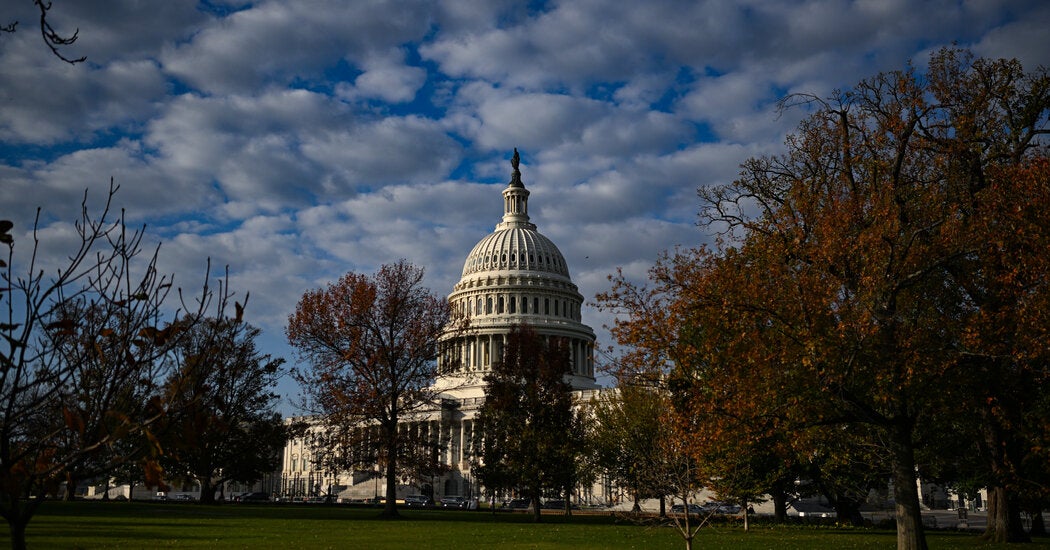
Despite bipartisan desire to regulate artificial intelligence, members of Congress face significant obstacles including slow legislative pacing and jurisdictional turf battles. The New York Times reports that while both parties acknowledge the need for policy, the complexity of the technology and competing interests are hindering progress. This stagnation risks leaving a regulatory vacuum as AI capabilities continue to expand rapidly.
National Governors Association Calls for Aligned AI Policy
The National Governors Association (NGA) has released new policy guidance aimed at advancing AI governance while protecting jobs. The guidance emphasizes the need for "clear and complementary federal and state roles" to avoid a patchwork of conflicting regulations. This move signals a shift toward coordinated governance among state leaders, seeking to balance innovation with public safety.


Regulation & Policy Tracker
-
Australia: From December 10, 2026, organizations covered by the Privacy Act 1988 will be required to disclose how they use personal information for automated decision-making. This "duty to disclose" marks a significant step in transparency for AI systems affecting individuals.
-
South Korea: Enforcement of the South Korean AI Basic Act may remain paused beyond January 2027. The AI Basic Act study group and National AI Strategy Committee met on November 25 to weigh amendments and potential grace periods, with the ministry pause currently covering fact-finding investigations.
-
United States (State Level): Businesses must now track specific AI laws in Texas, Illinois, California, Connecticut, and Colorado. These state-level regulations may already apply to many companies, requiring immediate governance steps to ensure compliance.
Bias & Accountability
-
Legal System (England & Wales): An investigation found that at least 25 court cases were affected by AI-generated content, including fake case law and witness statements. This highlights a severe lack of oversight and bias detection in legal AI applications.
-
Hiring Systems: Two federal courts recently dismissed claims of AI hiring bias in cases out of Michigan and Alabama. The rulings require future applicants to provide specific facts tying employer actions to alleged discrimination, setting a higher bar for proving algorithmic bias in employment.
Analysis: What This Means
The convergence of legal scandals involving AI hallucinations and the push for clearer governance frameworks indicates a maturing but fragile regulatory environment. Companies building AI products can no longer rely on "move fast and break things" in regulated industries like law and healthcare; the cost of errors is now being litigated and investigated publicly. The trend toward specific disclosure requirements, such as Australia's upcoming privacy changes, suggests that transparency will be the primary enforcement mechanism in the near term, rather than outright bans.
What to Watch Next
- December 10, 2026: Australia's new privacy disclosure requirements for automated decision-making take effect under the Privacy Act 1988.
- January 1, 2027: South Korea's AI Basic Act enforcement grace period may extend beyond this date following recent committee meetings.
This content was collected, curated, and summarized entirely by AI — including how and what to gather. It may contain inaccuracies. Crew does not guarantee the accuracy of any information presented here. Always verify facts on your own before acting on them. Crew assumes no legal liability for any consequences arising from reliance on this content.
Powered by

