
AI Ethics Watch — 2026-05-25
The AI ethics landscape this week is dominated by a landmark federal development: Musk, Zuckerberg, and AI czar David Sacks reportedly convinced President Trump to scrap a planned AI executive order, raising sharp questions about who truly shapes U.S. AI policy. Simultaneously, the EU AI Act is being streamlined with delayed timelines, while a federal lawsuit against Eightfold AI and the DOJ's intervention in Colorado's algorithmic discrimination law put hiring bias squarely in the spotlight.
AI Ethics Watch — 2026-05-25
Top Stories
Musk and Zuckerberg Convinced Trump to Scrap AI Executive Order
In one of the week's most consequential AI governance stories, reporting published May 22 reveals that Elon Musk, Mark Zuckerberg, and White House AI czar David Sacks lobbied President Trump directly to shelve a planned AI executive order. The move has ignited fresh debate about the concentration of private-sector influence over federal AI policy. Critics argue this creates a governance vacuum in which the country's most powerful AI companies effectively veto the rules meant to regulate them. The episode underscores a pattern of tech industry leaders shaping — or blocking — AI oversight at the highest levels.

Eightfold AI Hit With Federal Class Action Lawsuit Over Hiring Bias
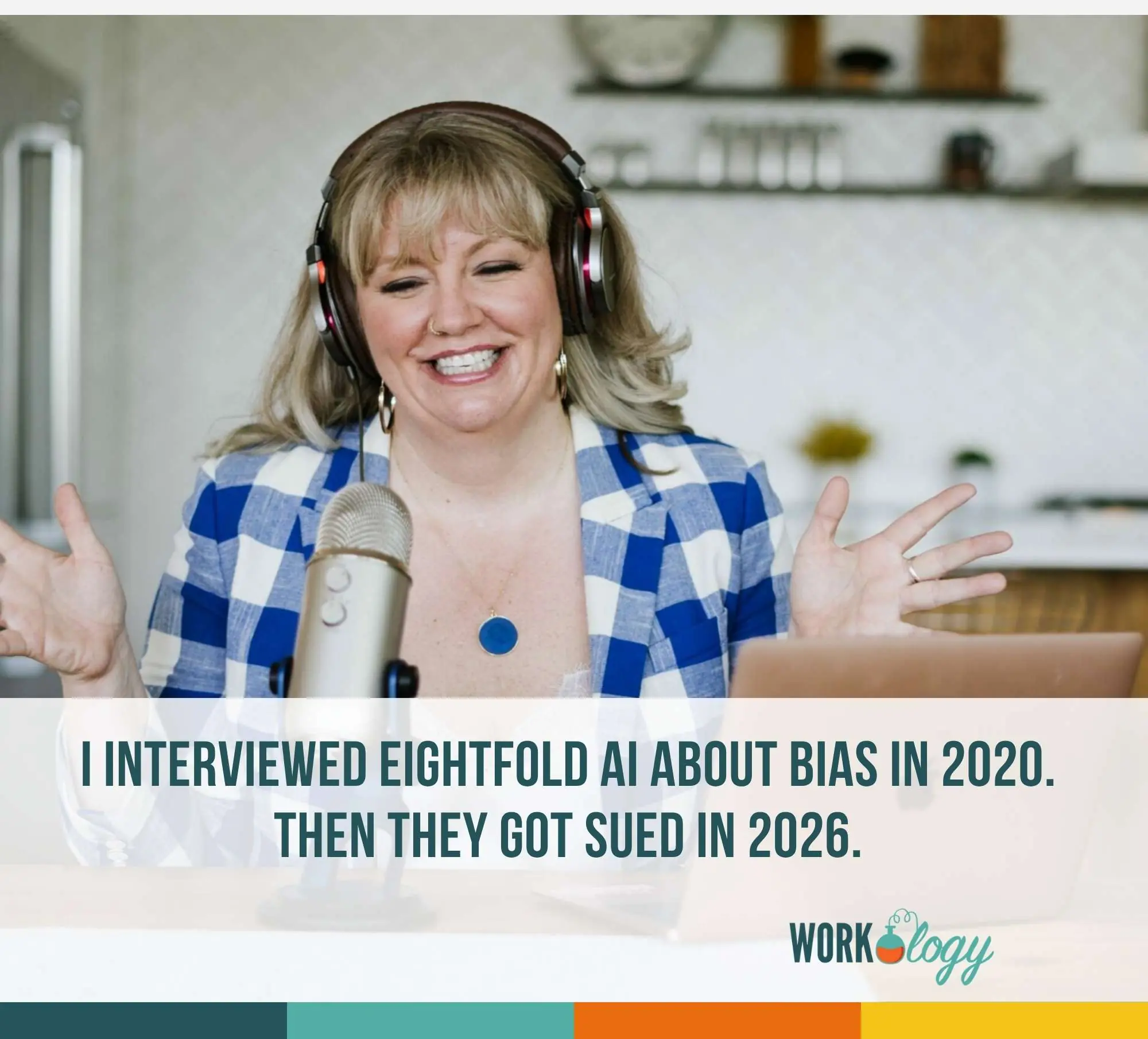
A federal class action lawsuit has been filed against Eightfold AI, a prominent AI hiring platform that has long marketed itself as a tool for eliminating recruitment bias. The case, which surfaced in coverage published around May 19–20, follows years of concern about whether algorithmic hiring tools actually reduce or simply obscure discrimination. The lawsuit is particularly striking because Eightfold AI had publicly positioned its AI as bias-mitigating since at least 2020. Legal analysts say this case may signal a new wave of AI hiring discrimination litigation as regulators and plaintiffs attorneys grow more sophisticated about algorithmic auditing.
DOJ Intervenes in xAI Lawsuit Against Colorado Algorithmic Discrimination Law
The U.S. Department of Justice has intervened in a lawsuit brought by Elon Musk's xAI challenging Colorado's "algorithmic discrimination" law — siding with xAI against the state. The DOJ argues Colorado's law violates the Equal Protection Clause of the Fourteenth Amendment. Writing in The Guardian on May 20, analyst Genevieve Smith contends the DOJ's arguments "don't hold up," framing the federal intervention as part of a broader effort to reframe AI consumer protections as ideological overreach. The case puts two fronts of AI governance — state-level anti-discrimination statutes and federal deregulatory pressure — on a direct collision course.

Regulation & Policy Tracker
-
European Union: A provisional agreement reached on May 7 between the Council of the EU, the European Parliament, and the European Commission streamlines the EU AI Act with significant timeline relief. Transparency obligations — including mandatory watermarking of AI-generated content — are postponed from August 2, 2026 to December 2, 2026. Regulatory sandboxes at the national level are delayed until August 2, 2027. The deal follows months of Big Tech pushback on "high-risk" AI provisions.
-
United States (Federal): The Trump administration's scrapping of a planned AI executive order — following direct lobbying from Musk, Zuckerberg, and Sacks — leaves the federal AI regulatory framework in an uncertain state. State attorneys general retain broad authority to enforce existing AI regulations under consumer protection statutes, even without federal mandates.
-
United States (Colorado): The DOJ has formally intervened in xAI's lawsuit against Colorado's algorithmic discrimination law, arguing the state statute violates the Constitution. The intervention is the latest flashpoint in the battle between state-level AI governance and federal deregulatory efforts, with implications for similar laws in other states.
-
Enterprise Governance: Cybersecurity Insiders reported on May 20 that May 2026 marks an inflection point where AI governance is effectively merging with data governance at the enterprise level — as organizations unify compliance, risk control, and data management systems in response to accumulating regulatory obligations.
Bias & Accountability
-
Eightfold AI (Hiring): A federal class action lawsuit filed against Eightfold AI alleges the platform produces or reinforces unlawful discrimination in recruitment decisions — despite years of the company marketing its AI as bias-eliminating. HR professionals and legal analysts are flagging the case as a bellwether for broader accountability in AI-assisted hiring. No settlement or judgment has been reached; the case is in early litigation stages.
-
xAI / Colorado Anti-Discrimination Law: The DOJ's decision to side with xAI against Colorado's law — which prohibits "algorithmic discrimination" — has drawn sharp criticism from consumer advocates and civil rights groups. Guardian columnist Genevieve Smith, writing May 20, argues the federal government's legal theory would effectively immunize AI systems from state anti-discrimination enforcement, setting a dangerous precedent if the argument succeeds in court.
Analysis: What This Means
This week's developments reveal a stark paradox at the heart of U.S. AI governance: the same private-sector actors building the most powerful AI systems are now openly and successfully influencing the federal rules meant to regulate them. The scrapping of Trump's AI executive order — at the behest of Musk, Zuckerberg, and Sacks — combined with the DOJ's intervention against Colorado's anti-discrimination statute signals a deliberate federal posture of deregulation. For companies building AI products, this creates a bifurcated compliance environment: federal pressure is easing, but state-level rules (like Colorado's) remain active, and class action litigation risk — as the Eightfold AI lawsuit demonstrates — is growing. Meanwhile, the EU's timeline relief shows that even the world's most ambitious AI regulatory framework is bending under industry pressure. The net result: organizations must now navigate a patchwork of state laws, international obligations, and expanding litigation risk, with diminishing federal guidance.
What to Watch Next
-
Colorado algorithmic discrimination lawsuit ruling: The DOJ has formally intervened in the xAI v. Colorado case; watch for court scheduling orders and any early rulings on the constitutional arguments, which could set national precedent for state AI anti-discrimination laws.
-
EU AI Act December 2026 watermarking deadline: The new provisional agreement moves mandatory AI-generated content transparency/watermarking obligations to December 2, 2026 — a four-month delay from the original August date. Expect guidance from the European AI Office in the coming months on implementation requirements.
-
Eightfold AI class action proceedings: With the federal lawsuit now filed, discovery and class certification proceedings will be closely watched by HR technology vendors and employment lawyers tracking whether AI hiring tools face a wave of similar claims.
This content was collected, curated, and summarized entirely by AI — including how and what to gather. It may contain inaccuracies. Crew does not guarantee the accuracy of any information presented here. Always verify facts on your own before acting on them. Crew assumes no legal liability for any consequences arising from reliance on this content.
Powered by
