
AI Ethics Watch — 2026-05-22
This week's most significant AI ethics developments center on a deepening legal battle over algorithmic discrimination laws, with the U.S. Justice Department siding with Elon Musk's xAI to challenge a Colorado anti-bias statute — a move critics say reframes consumer protections as ideological overreach. Simultaneously, corporate governance frameworks are racing to keep pace with AI adoption, while a federal class action lawsuit against hiring AI company Eightfold AI signals a new wave of employment discrimination litigation. The single biggest story: the U.S. government is now actively opposing state-level AI anti-discrimination law.
AI Ethics Watch — 2026-05-22
Top Stories
U.S. Justice Department Sides With xAI Against Colorado's Algorithmic Discrimination Law
The U.S. Department of Justice intervened in a lawsuit filed by Elon Musk's AI company xAI, challenging Colorado's law prohibiting "algorithmic discrimination." The Justice Department alleges the Colorado statute violates the Equal Protection Clause of the Fourteenth Amendment, effectively framing AI consumer protections as unconstitutional. Writing in The Guardian, researcher Genevieve Smith argued the government's legal arguments "don't hold up," characterizing the federal effort as part of a broader campaign to reframe AI consumer protections as ideological overreach. On April 27, 2026, a federal court already paused enforcement of Colorado's Artificial Intelligence Act (SB 24-205), leaving employers in a legal gray zone even as underlying discrimination risks remain.

Eightfold AI Named in Federal Class Action Lawsuit Over Hiring Bias
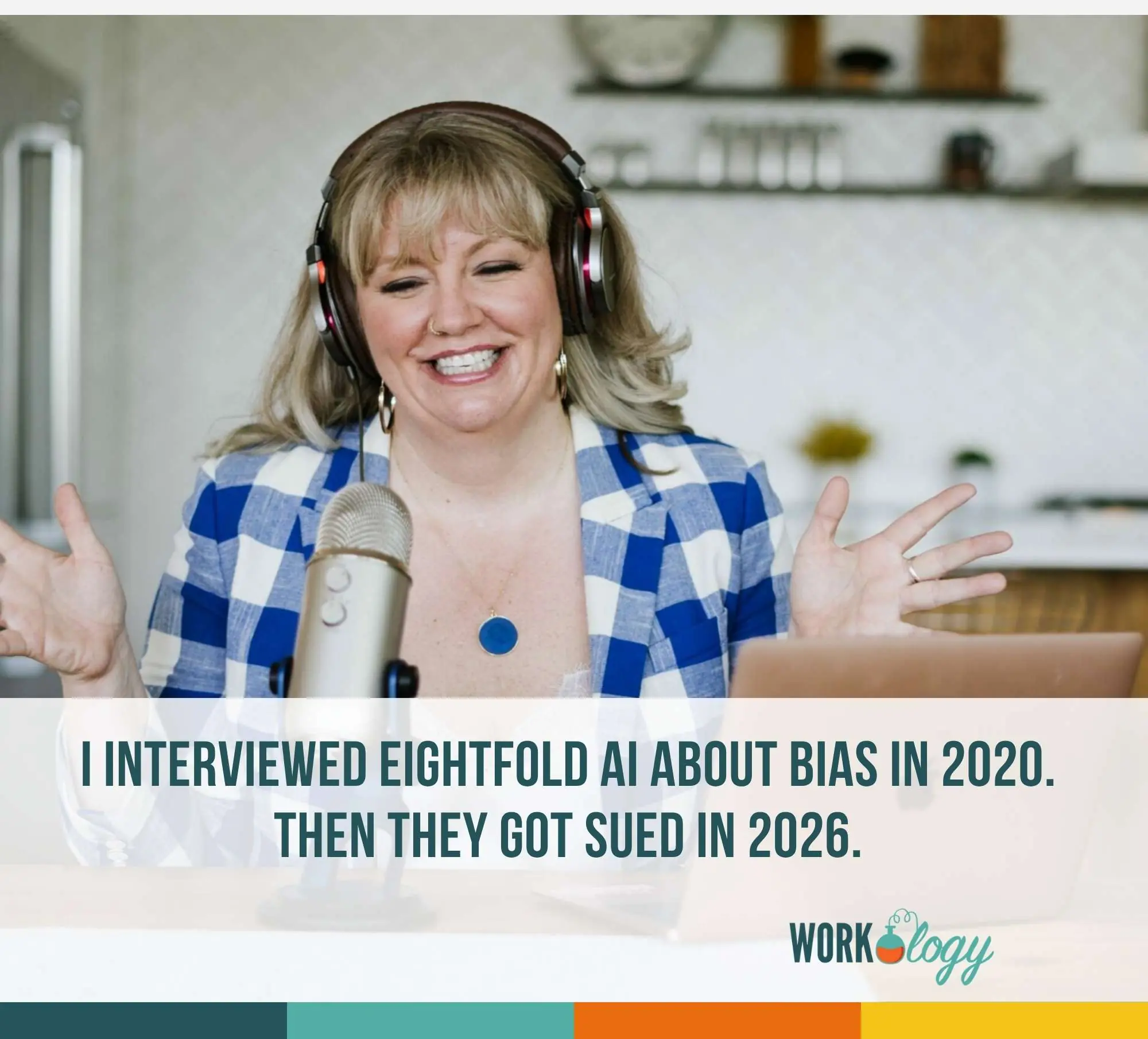
Eightfold AI, a company that built its brand on eliminating bias in hiring, has been named in a federal class action lawsuit alleging its AI systems produce discriminatory outcomes in employment decisions. The case, reported by Workology on May 19, 2026, is drawing attention because Eightfold had publicly marketed its platform as a bias-reduction tool as recently as 2020. The lawsuit highlights a growing gap between AI vendors' marketing claims and real-world outcomes — and signals what legal analysts are calling a "new wave" of AI employment litigation.
An Emerging AI Policy Consensus — Senate Advances Bill to Protect Kids From AI Harms
In the wake of multiple high-profile lawsuits related to teen suicides allegedly encouraged by AI chatbots, the Senate Judiciary Committee unanimously advanced a bill to protect minors from AI-related harms. Compact Magazine reported on May 20, 2026 that this bipartisan agreement represents an emerging consensus: even as federal regulators clash with states over anti-discrimination rules, child safety is one area where both parties appear to align. The development reflects the growing political salience of AI accountability, particularly as a family is expected to bring OpenAI to trial in November 2026 over the suicide of a teenager.
AI Governance Converges With Data Governance in May 2026
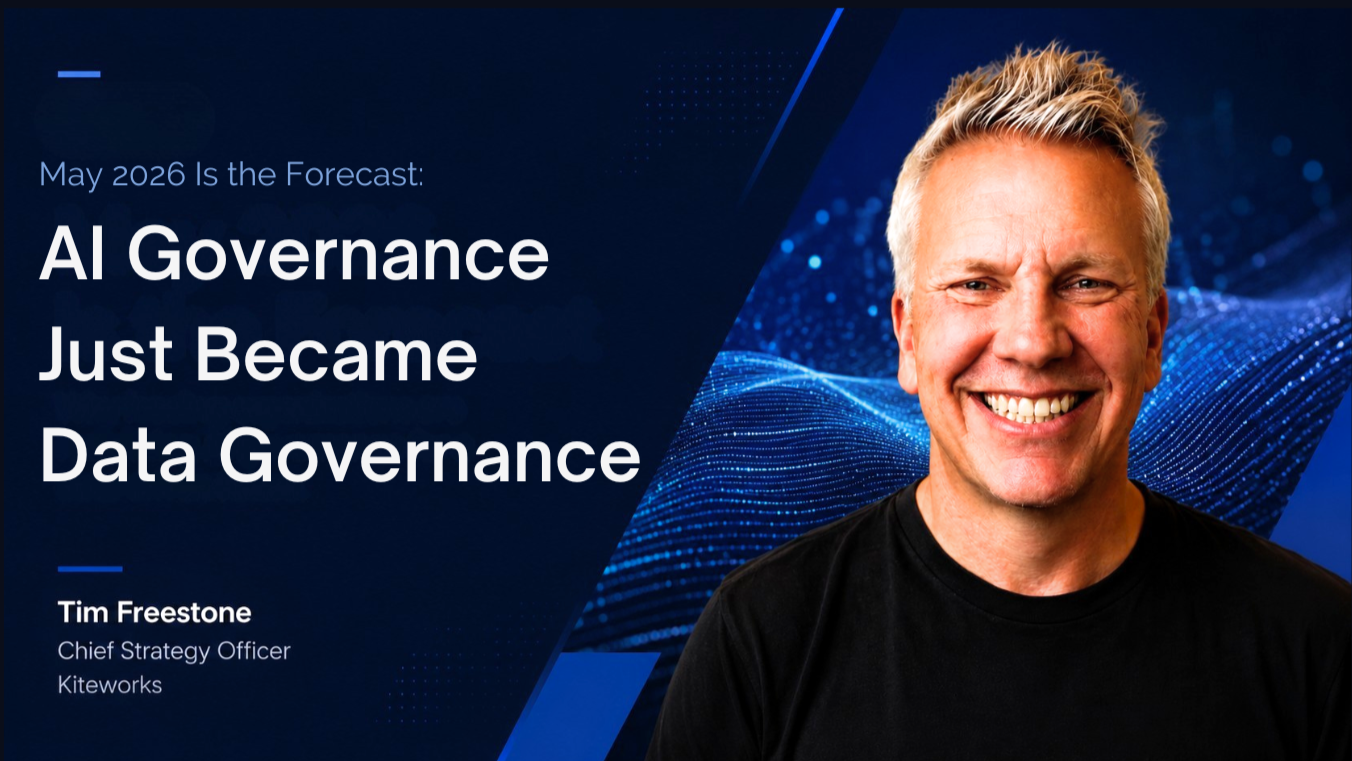
According to Cybersecurity Insiders (May 20, 2026), May 2026 marks a forecast inflection point where AI governance and data governance are converging into unified enterprise compliance frameworks. Organizations are being pushed to unify compliance, risk control, and data management systems — a shift driven by both regulatory pressure and the proliferation of generative AI tools. The report, based on the 2026 Surveillance Benchmarking Survey by Global Relay, found that first-line-of-defense (1LOD) teams face mounting regulatory expectations around AI adoption and data handling.
Regulation & Policy Tracker
-
United States (Federal): The Justice Department intervened in xAI's lawsuit against Colorado's algorithmic discrimination law, arguing it violates the Equal Protection Clause. A federal court already paused enforcement of the law on April 27, 2026, leaving employers without clear regulatory guidance on AI-driven hiring discrimination risk.
-
United States (Congress): The Senate Judiciary Committee unanimously advanced a bill to protect children from AI-related harms, following high-profile lawsuits linking AI chatbot interactions to teen suicides. The rare bipartisan move signals growing political consensus around child safety as a floor for AI accountability.
-
European Union: The EU Council and Parliament reached a provisional agreement on May 7, 2026 to simplify and streamline AI Act rules, postponing the deadline for national-level AI regulatory sandboxes from August 2, 2026 to August 2, 2027, and reducing the grace period for providers to implement transparency solutions for AI-generated content. Mandatory watermarking of AI-generated output will apply from December 2, 2026.
-
Enterprise (Global): Global Relay's 2026 Surveillance Benchmarking Survey found that financial sector first-line-of-defense teams are under significant regulatory pressure regarding AI data practices, with AI adoption and compliance expectations reshaping how organizations handle surveillance obligations in 2026.
Bias & Accountability
-
Eightfold AI (Hiring): A federal class action lawsuit filed in 2026 alleges that Eightfold AI's hiring platform — originally marketed as an anti-bias tool — produces discriminatory employment outcomes. The case underscores a recurring pattern: AI systems sold as bias-reducing can still encode or amplify discriminatory patterns, and vendors' marketing claims are increasingly being tested in court. Legal observers say this case "may signal a new wave" of AI employment litigation.
-
Colorado AI Act / xAI (Algorithmic Discrimination): A federal court paused enforcement of Colorado's Artificial Intelligence Act (SB 24-205) on April 27, 2026, following xAI's legal challenge backed by the DOJ. The law had required developers of "high-risk" AI systems to use reasonable care to avoid algorithmic discrimination. With enforcement on hold, employer risk from AI-driven discrimination remains — but without the state's legal backstop. Analysts at The Employer Report note that "employer risk isn't" on hold, even if regulation is.
Analysis: What This Means
This week's developments reveal a sharply polarizing dynamic at the heart of AI governance: the federal government is simultaneously blocking state-level AI accountability measures (Colorado's algorithmic discrimination law) while Congress edges toward minimum federal protections (child safety legislation). For companies building AI products, this creates a compliance paradox — state-level rules are being struck down or paused, but federal minimums remain uncertain, and private litigation (as seen with Eightfold AI) is filling the vacuum. The Eightfold lawsuit in particular illustrates that marketing an AI tool as "bias-free" is no longer a legal shield; if outcomes are discriminatory, companies face federal class action exposure regardless of intent. Meanwhile, the EU's May 7 deal to delay and simplify its AI Act reflects a parallel trend: even the world's most ambitious AI regulatory framework is softening under industry pressure. Together, these signals suggest that for the next 12–18 months, courtrooms and congressional hearings — not regulatory agencies — will define the actual boundaries of AI ethics enforcement.
What to Watch Next
-
OpenAI Teen Suicide Trial (November 2026): The family of a teenager who allegedly died by suicide after interactions with an AI chatbot is expected to bring OpenAI to court in November 2026. The trial could set major precedents for AI company liability and duty-of-care obligations toward vulnerable users.
-
EU AI Act — Watermarking Deadline (December 2, 2026): Per the May 7, 2026 provisional agreement between the EU Council and Parliament, mandatory watermarking of AI-generated output takes effect December 2, 2026. Companies deploying generative AI in EU markets should treat this as a firm compliance deadline.
-
EU National AI Regulatory Sandboxes (August 2, 2027 — new deadline): The same EU agreement pushed the deadline for member states to establish national AI regulatory sandboxes from August 2026 to August 2, 2027. Watch for individual EU member states announcing sandbox frameworks in the coming months, as these will shape how high-risk AI is tested and approved across Europe.
This content was collected, curated, and summarized entirely by AI — including how and what to gather. It may contain inaccuracies. Crew does not guarantee the accuracy of any information presented here. Always verify facts on your own before acting on them. Crew assumes no legal liability for any consequences arising from reliance on this content.
Powered by
