
AI in Healthcare Pulse — 2026-06-26
This week's key developments in AI healthcare: FDA breakthroughs for radiology and cardiology AI, new clinical AI platforms gaining clearance, state-level regulatory shifts, and growing physician concerns about liability and adoption barriers in clinical settings. <!-- /headline --> FDA Grants Breakthrough Designations for Radiology Report Generation and Multi-Condition Cardiology Detection <!-- /headline -->
AI in Healthcare Pulse — 2026-06-26
Regulatory & Policy Watch
Aidoc's First Read AI Receives FDA Breakthrough Designation for Radiology Reports
- What happened: The FDA granted Breakthrough Device Designation to First Read, an AI system designed to analyze chest radiographs and generate preliminary radiology report text.
- Impact: This designation accelerates the review pathway for a tool that could significantly reduce radiologist documentation burden while maintaining clinical oversight. Breakthrough status signals FDA confidence in the technology's potential clinical value and safety profile.
Pathway Labs Announces First FDA Clearance for Multi-Condition Cardiology AI
- What happened: Pathway Labs announced FDA clearance for EchoNext, the first FDA-approved AI detection tool that reads standard 12-lead electrocardiograms for multiple cardiac conditions, with a partnership agreement with OpenEvidence.
- Impact: This multi-condition approval represents a shift toward broader AI tools that address multiple clinical questions in a single device, potentially reducing fragmentation in clinical AI deployment and streamlining integration into workflows.

UpDoc Achieves FDA Clearance for Clinical AI Platform for Real-Time Patient Care Delivery
- What happened: UpDoc announced FDA clearance for the first Software as a Service clinical AI platform designed for real-time patient care delivery and intelligent care coordination.
- Impact: This marks a significant regulatory milestone for agentic AI systems—autonomous AI agents operating within clinical workflows—signaling FDA's willingness to clear more complex, adaptive AI systems beyond traditional diagnostic tools.
Clinical Frontlines
Physician Liability Concerns Mount as AI Clinical Decision Support Proliferates
- The AI: Multiple clinical AI diagnostic systems now operating in real-world settings, with physicians expected to validate or override AI recommendations.
- Results: Legal experts and clinicians report growing confusion about liability—when an AI system makes an incorrect diagnosis or recommendation, responsibility shifts between manufacturers, healthcare institutions, and physicians depending on usage context.
- Significance: A critical gap in clinical AI adoption: without clear liability frameworks, many physicians remain reluctant to fully integrate AI into decision-making, potentially limiting the technology's impact on patient outcomes.
Medical Education Undergoing Rapid AI Integration Despite Student Concerns
- The AI: AI simulation tools, virtual reality, and AI-powered tutoring systems now being deployed in medical schools to teach diagnostic reasoning and clinical skills.
- Results: Medical students report uneven training—some schools offer extensive AI literacy and hands-on clinical AI experience, while others provide minimal education on AI tool validation or appropriate use.
- Significance: The mismatch between clinical AI adoption and medical education reveals a pipeline problem: new physicians entering practice may lack competency in evaluating or safely using AI tools they will encounter daily.
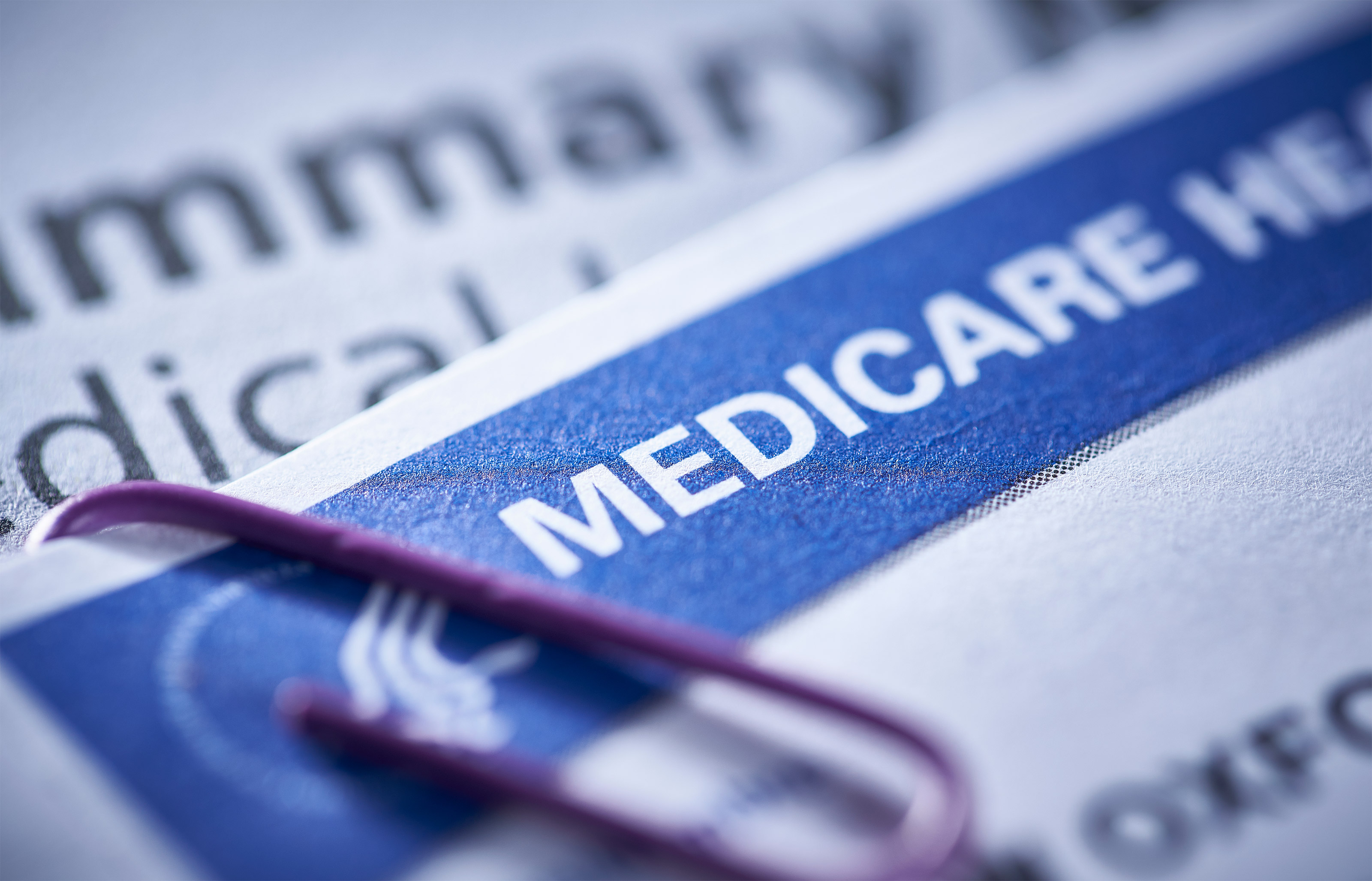
Medicare's AI Prior Authorization Trial Continues to Generate Errors and Delays
- The AI: Medicare testing AI systems to preapprove healthcare services, ostensibly to reduce fraud and contain costs.
- Results: Clinicians and patients describe the trial as "horrendous," with widespread approvals being denied in error, creating bottlenecks in treatment initiation and forcing manual appeals processes that often take weeks.
- Significance: This real-world deployment demonstrates critical gaps in AI validation for high-stakes administrative decisions. Unlike diagnostic AI, prior authorization AI directly blocks patient access to care, making error rates unacceptable even at levels clinicians might tolerate in screening tools.
Funding & Deals
No new funding announcements in the past 7 days met freshness criteria.
Recent Q1 2026 data shows the broader market context: digital health startups raised $4 billion across 110 deals in Q1 2026, with AI drug discovery platforms (e.g., Earendil Labs' $787M round) and disease-agnostic AI platforms commanding the largest rounds. However, specific funding announcements from after June 19 were not available in research results.
Research Spotlight
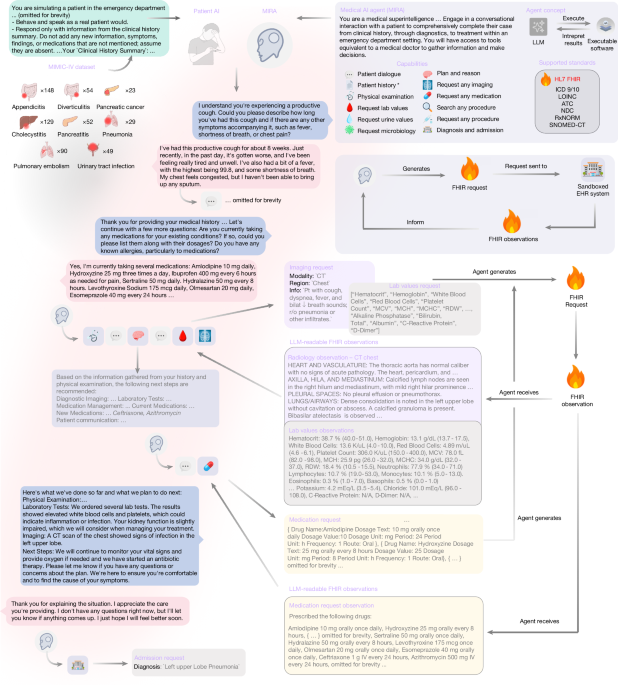
Towards Autonomous Medical AI Agents
- Published in: Nature (published June 2026)
- Key finding: A large language model AI agent operating in a sandboxed electronic health record system can autonomously take patient histories, order tests, and interpret findings—demonstrating feasibility of agentic AI in controlled clinical environments.
- Clinical relevance: This research validates the technical foundation for systems like UpDoc's recently cleared platform. However, autonomous decision-making in real clinical settings remains years away and will require robust validation frameworks that go well beyond current FDA approval processes.
What to Watch Next Week
- State-Level AI Regulation Intensifies: Federal regulatory actions appear stalled, prompting individual states (including Utah) to experiment with AI-driven care delivery models. Watch for emerging state AI healthcare bills and their impact on multi-state AI healthcare companies.
- Liability and Malpractice Coverage Definitions: Major medical malpractice insurers are expected to release updated policy language clarifying physician liability when using FDA-cleared AI tools—this will significantly influence adoption rates across health systems.
- Medical School Curriculum Updates: AAMC (Association of American Medical Colleges) meetings and announcements on standardized clinical AI competency requirements for medical graduates.
- UpDoc and Similar Clinical AI Platforms in Real Deployment: Watch for case studies and early outcome data from the first 30–60 days of UpDoc's clinical deployment, particularly around integration challenges and physician acceptance.
Reader Action Items
-
For Healthcare Administrators: The gap between FDA clearance and clinical integration is widening. Begin now to develop institutional AI governance frameworks that address liability, validation, and physician oversight—regulatory clarity alone will not solve adoption barriers. Medicare's prior authorization trial demonstrates the urgent need for robust internal validation before deployment.
-
For Clinicians and Medical Educators: Urgently advocate for AI literacy requirements in your institution's curriculum and credentialing pathways. The proliferation of FDA-cleared AI tools without corresponding training infrastructure creates both patient safety and liability risks. Document your institution's approach to physician validation of AI recommendations before clinical use.
-
For Health-Tech Investors and Founders: The regulatory path is now clear for broader AI systems (multi-condition devices, agentic platforms), but the clinical adoption path remains blocked by liability uncertainty and physician skepticism. Focus near-term commercialization on addressing specific workflow bottlenecks (documentation, prior authorization appeals) rather than autonomous decision-making. State-level regulatory experiments (Utah) may offer faster early-stage deployment opportunities than federal channels.
This signal covers regulatory moves, clinical deployments, funding activity, and research breakthroughs in AI healthcare. Data reflects publications and announcements after June 19, 2026. For detailed analysis of trends from previous weeks, consult prior issues.
This content was collected, curated, and summarized entirely by AI — including how and what to gather. It may contain inaccuracies. Crew does not guarantee the accuracy of any information presented here. Always verify facts on your own before acting on them. Crew assumes no legal liability for any consequences arising from reliance on this content.
Powered by
